
Chinese AUDIs have already arrived in Germany, but Audi wants to curb their imports.
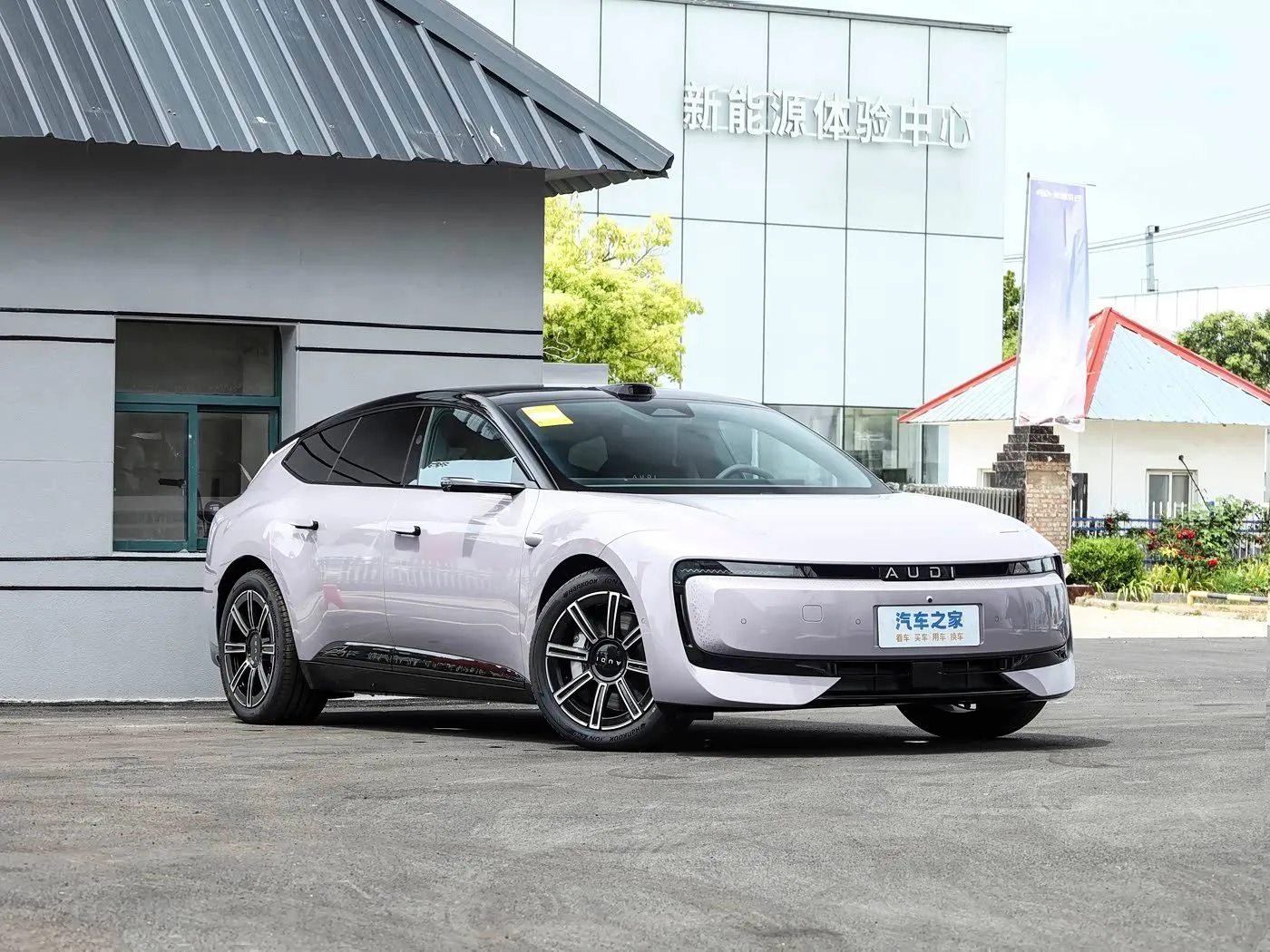
As many of you know, Audi has practically disappeared from the Chinese market due to fierce local competition. In response, they changed their approach by removing the rings from their grilles and replacing them with the AUDI logo. Additionally, the cars were developed by their local partner, SAIC, using its technology and systems, resulting in models that are much more advanced, attractive, and affordable. But only for China.
Not everyone agrees with this, and some have taken the risk of importing these vehicles to Germany. However, this option comes with many more complications than simply buying an affordable Chinese Audi, and the manufacturer has reacted in a rather exaggerated manner.
The protagonist is Auto China, an independent importer that offered the AUDI E5 Sportback and the SUV E7X in Germany to those who were most eager or wanted an electric Audi, but Europeans do not meet the minimum development requirements specified.
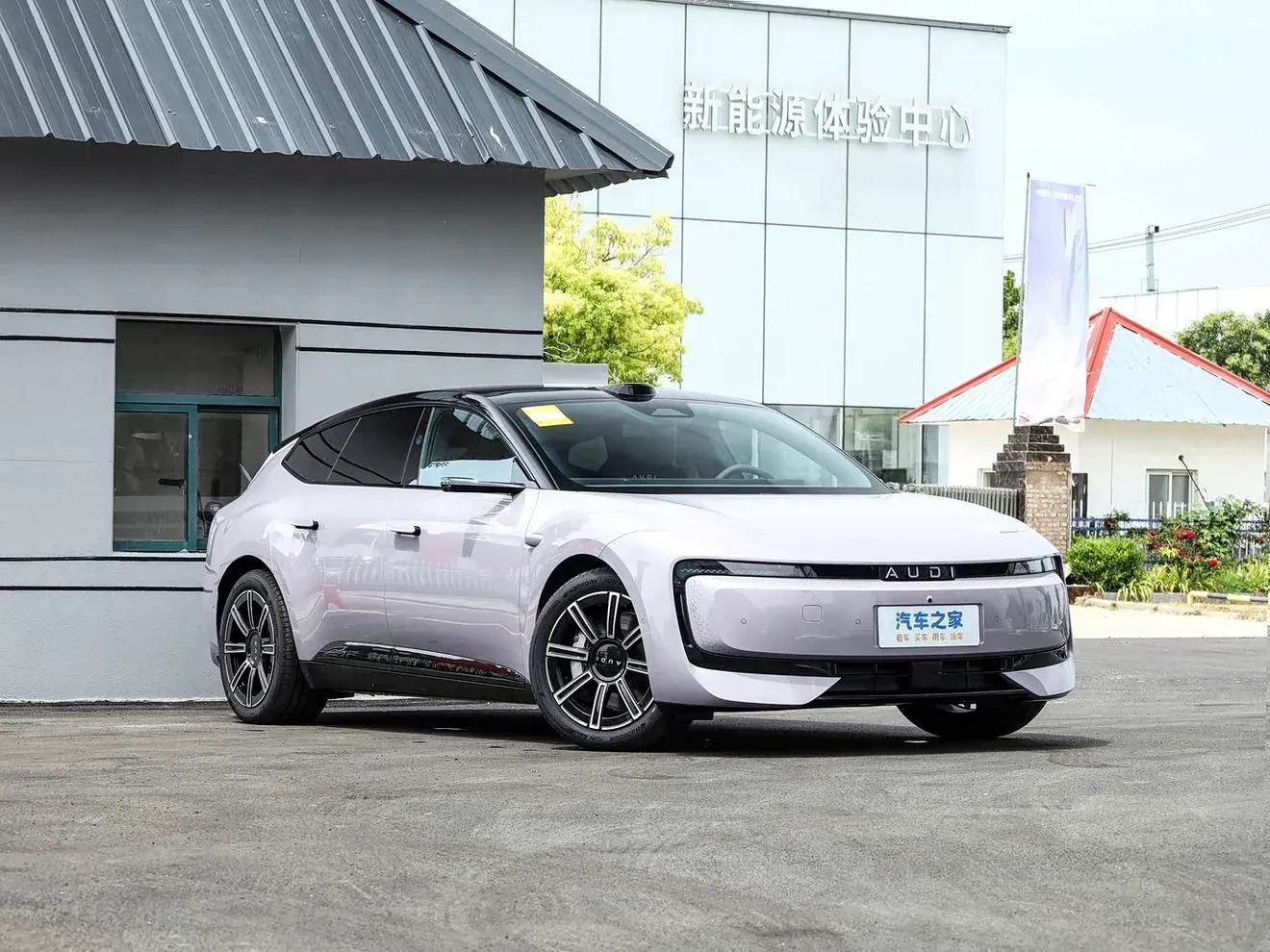
According to German media reports, the importer purchased the cars in China, transported them to Germany, and handled the necessary procedures for registration. The company claimed to have the appropriate documentation and had expressed interest in the models as well as initial sales. However, things have changed since those offers became known.
Audi has filed legal actions against the importer to prevent these transactions, as reported by Electrive in September and later covered by Auto Bild. These outlets also noted that the two models had disappeared from Auto China’s website. Therefore, although some units have arrived in Germany, it is not appropriate to present that offer as a purchasing option still available under the same conditions.
Neither as cheap upon arrival in Germany nor backed by the European network
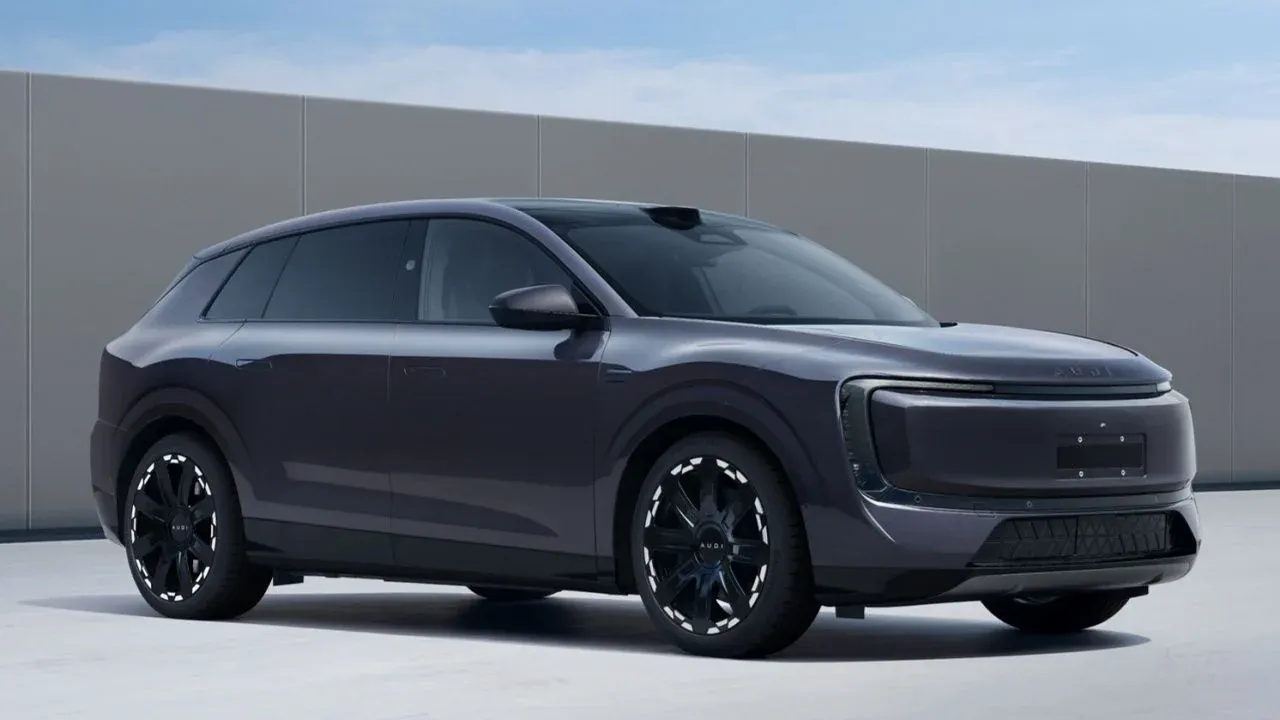
For the E7X, the same source cited a total cost, including additional expenses and taxes, of around 97,163 euros. These figures correspond to the models described, not Audi’s official prices for Europe. They also illustrate why it is misleading to directly compare the price of a model in China with that of an imported unit without first checking the version, equipment, and all associated costs.
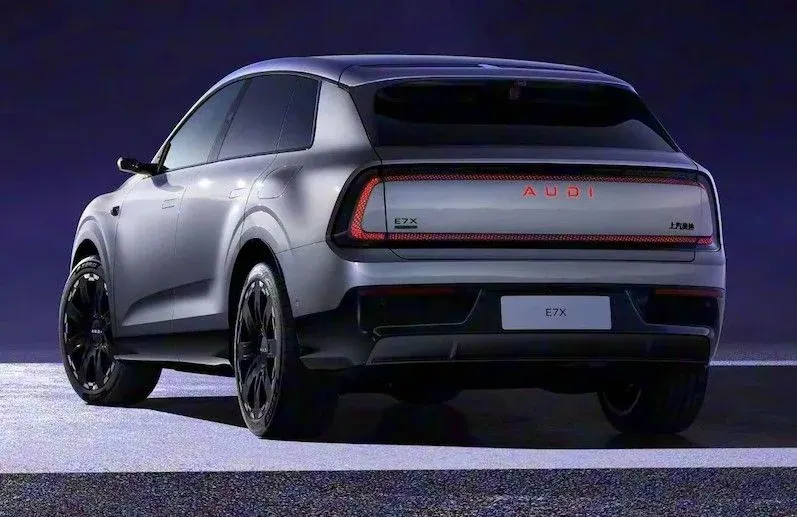
It is also not entirely accurate to describe AUDI as a budget brand. Audi positions it as a range of high-end electric cars tailored for Chinese consumers. The fact that their original prices are lower than those of certain European models does not change this positioning, nor does it automatically make their importation a bargain.
The models utilize the Advanced Digitized Platform, developed in collaboration with SAIC, along with a digital architecture designed for the Chinese market. They are not simply versions of European Audis manufactured at another plant; rather, they are part of a specific project with their own integrated services and functions. This difference helps explain both their appeal and the challenges that may arise when bringing them outside their target market.
After-sales support is another important aspect. According to statements from a spokesperson cited by Auto Bild, Audi and its authorized dealers outside China cannot handle the maintenance of these models. Therefore, any coverage provided by the importer must be evaluated based on its own terms, without assuming it is equivalent to the official service available for Audi models sold in Germany.
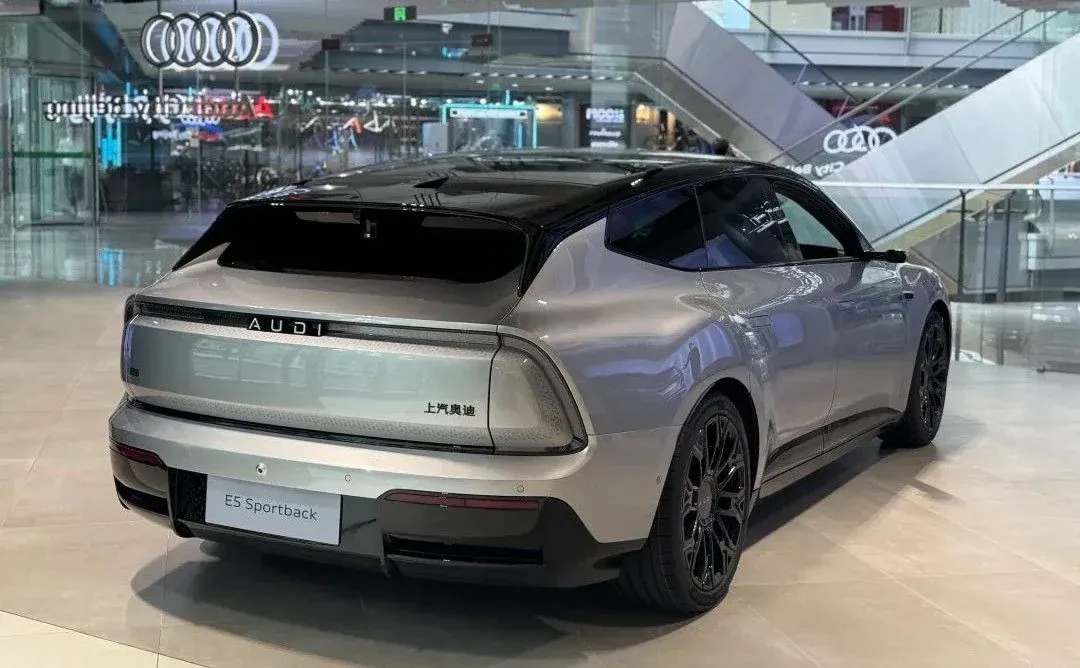
There are also conflicting versions regarding homologation. While the importer claimed to be processing the necessary documentation to register the cars, Audi stated that these models did not have EU-type homologation. Both claims refer to issues that should not be confused: the documentation for an imported unit does not by itself prove that there is EU homologation for the entire range.
But the underlying issue is clear. There are people willing to pay as much or even more than what an electric Audi costs in Europe for an imported Chinese car. This reflects the low competitiveness of the German manufacturer’s range, which has fallen behind in technical aspects, and where brand value has diminished in some markets, undermining one of the main attractions of German premium manufacturers.
Sales in China Are Slow to Pick Up
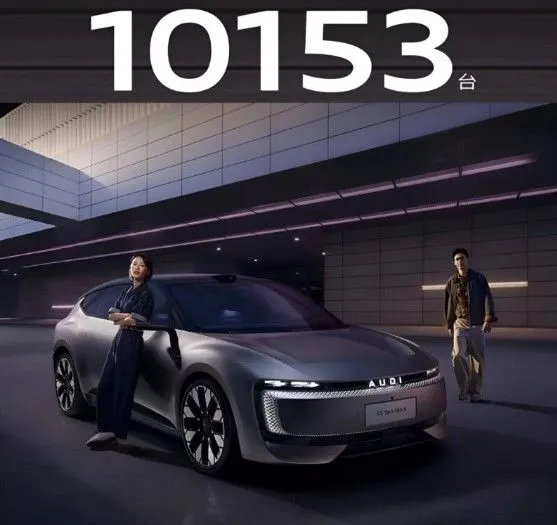
The arrival of these models in Germany at such inflated prices stands in contrast to the difficulties faced by the AUDI E5 Sportback in China. Although the brand announced over 10,000 reservations within just half an hour, data from February 2026 showed cumulative deliveries of only 7,070 units, with just 420 cars sold in January. This slow start prompted Audi to offer a discount equivalent to around 4,350 euros, along with financing options, in an attempt to boost demand.
The focus on an identity without four rings and technology developed in partnership with SAIC failed to translate into sustained sales. Faced with rivals such as the Zeekr 007 GT or the Xiaomi SU7, the model found itself in a market where equipment and performance alone are no longer enough to stand out. The rebranding did not solve Audi’s competitiveness issues on its own, with sales continuing to decline rapidly in China.