
London wants to require electric cars for Taxis by 2028
In London, internal combustion and hybrid cars may soon be excluded from new taxi licenses. The city’s transport authority is considering requiring 100% electric vehicles starting in 2028. This measure would affect Uber and Bolt drivers, but it still needs to undergo public consultation.
Will taxis in London soon have to be electric?
London could take another step forward in electrifying its transportation. Transport for London (TfL), the agency responsible for transport in the British capital, has recently launched a public consultation on tightening rules for ride-hailing vehicles. The main measure proposed is particularly ambitious: starting in 2028, only 100% electric vehicles will be allowed to obtain new ride-hailing licenses in London. This requirement would apply to both vehicles used by booking platforms such as Uber, Bolt, or Lyft and traditional minicabs, which are very common as chauffeur-driven cars in the UK.
Also read
A subsidy of 5,500 euros is available for taxi drivers switching to electric vehicles, but action must be swift!
Gas and diesel vehicles would be excluded from the new professional vehicle registrations in question, as would light hybrids, conventional hybrids, and plug-in hybrids. In other words, only fully electric battery-powered vehicles would qualify for a new license. However, a temporary exception would be made for vehicles accessible to people in wheelchairs. These vehicles would receive an extended deadline, with the requirement for electric vehicles being pushed back to July 2030.
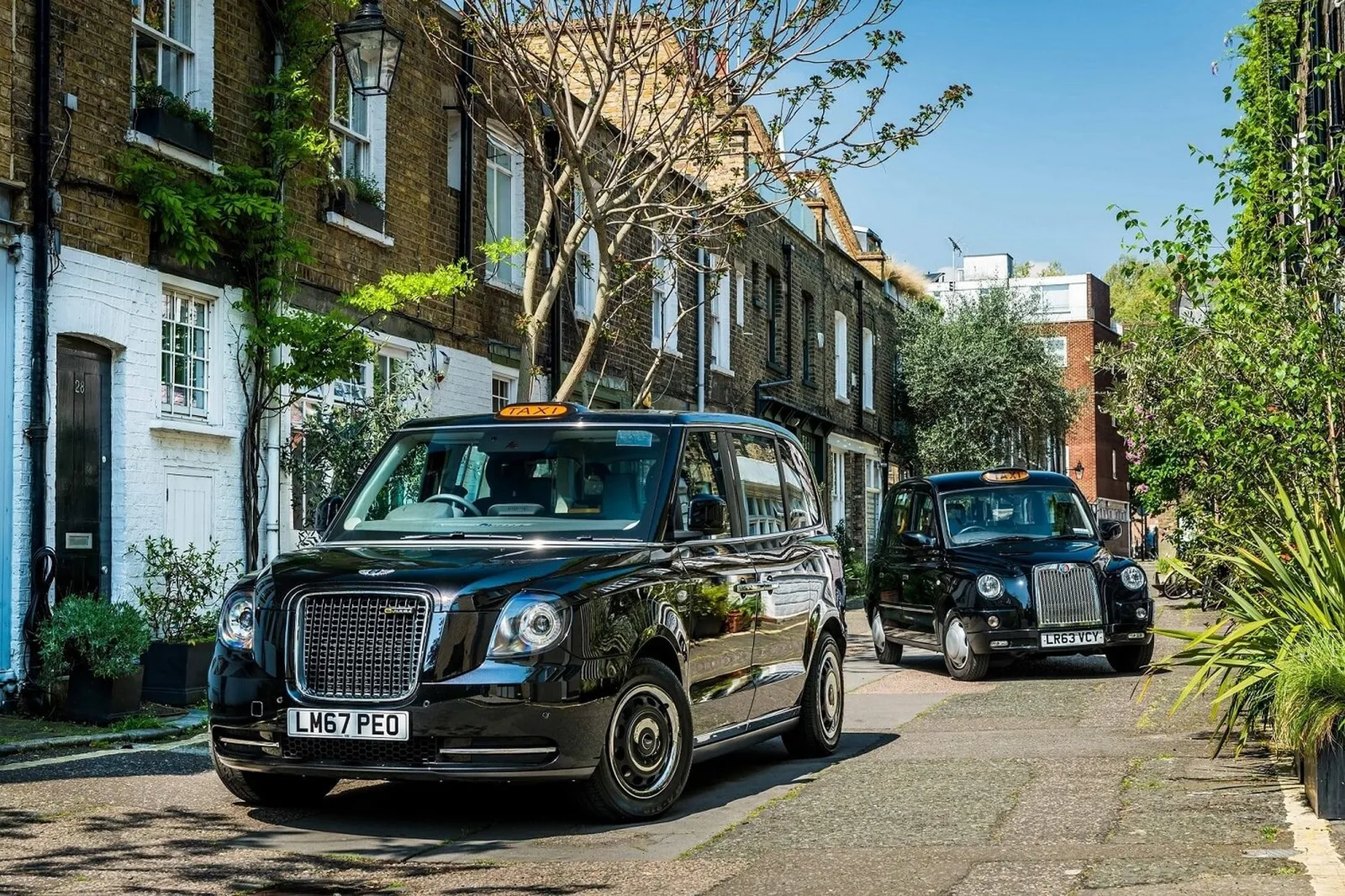
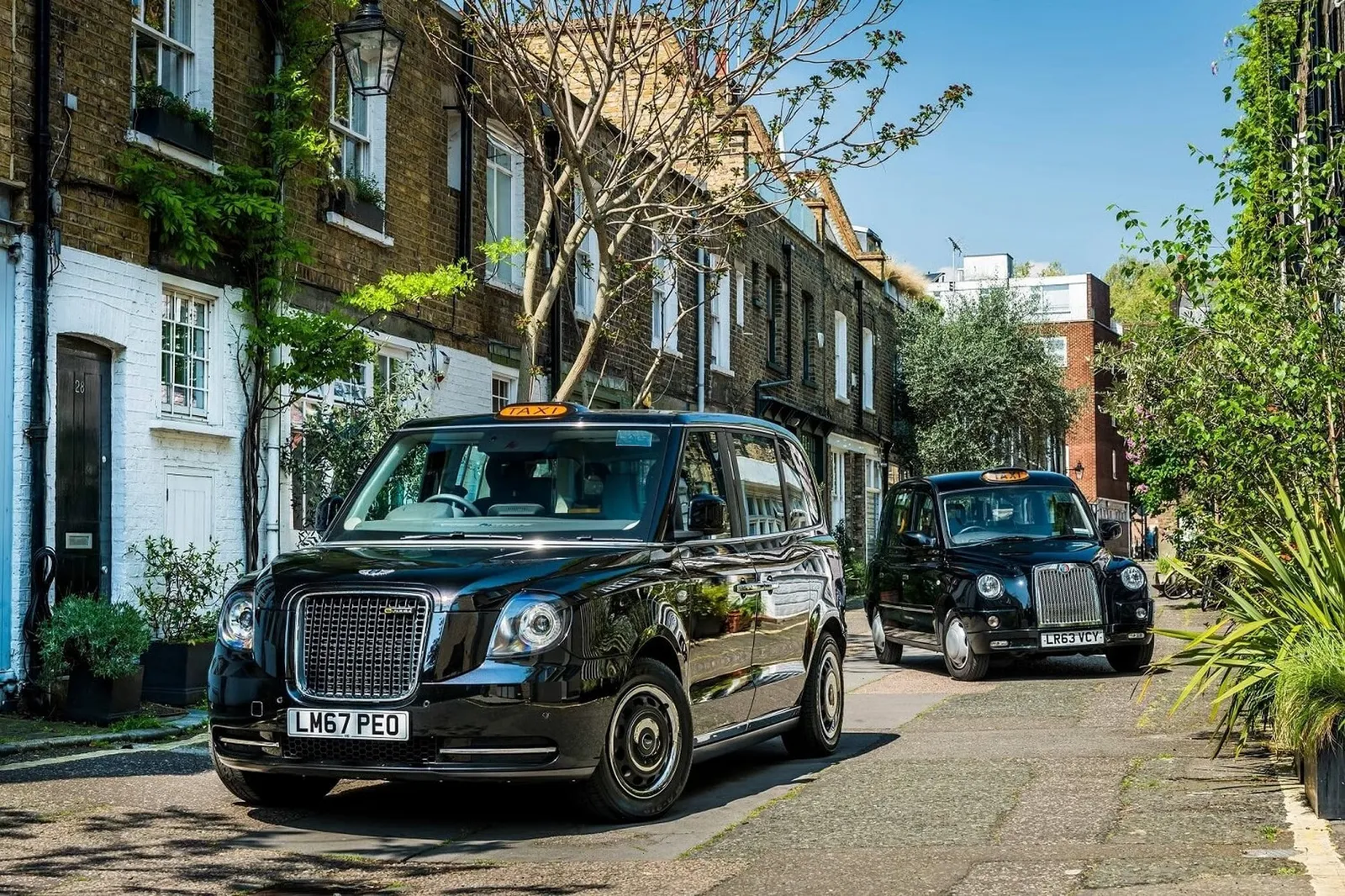
An important clarification: traditional London taxis, such as the one in the illustration, which are subject to separate regulations, are not covered by this proposal.
More than one in three London ride-hailing vehicles is already electric
This measure might seem radical, but London already has a largely electrified fleet of ride-hailing vehicles. According to figures provided by TfL, the capital had 94,661 vehicles with ride-hailing licenses as of September 2026. Of these, 35.5% were fully electric. Rechargeable hybrids accounted for 35.2% of the fleet. In total, over 70% of London’s ride-hailing vehicles were equipped with powertrains that allowed them to operate emission-free, at least over certain distances. This outcome reflects the growing adoption of electric powertrains in this sector. But with its plan, TfL aims to go further by gradually ending the addition of new diesel and hybrid vehicles to the fleet.
The stated goal is twofold: to improve air quality and reduce CO₂ emissions from road transport. According to London’s authorities’ projections, the new rules could cut nitrogen oxide (NOx) emissions from the taxi fleet by 9% and CO₂ emissions by 35% within the first ten years.
In the longer term, over an 18-year period, reductions could reach up to 97% for both types of emissions. However, these figures remain estimates that depend largely on the effective implementation of the planned measures.
Stricter rules also for older vehicles
Electrification is not the only change Transport for London plans to implement. The authority also aims to tighten restrictions on vehicle age. Starting in March 2027, taxis and ride-hailing vehicles that are ten years old or older may no longer retain a valid license. Another proposed change is reducing the time allowed to renew a taxi or ride-hailing license from two years to twelve months after it expires.
After that period, the application would be treated as a new professional registration. The vehicle would then need to meet all current requirements at the time of application, including, if applicable, the requirement for a fully electric powertrain.
TfL finally plans to end new approvals for certain devices that convert vehicles to alternative fuels, such as LPG and compressed natural gas (CNG), as well as for additional exhaust treatment systems.
Also read
Electric taxis: why this new purchase subsidy could benefit entire electric mobility
These developments reflect the British authority’s desire to prioritize electric vehicles directly rather than extending the use of internal combustion engines through technical modifications.
A decision that still needs confirmation
For Transport for London, these proposals build on the efforts already underway to reduce transport-related pollution. Christina Calderato, TfL’s strategy director, explains that this consultation aims to consolidate the progress made so far and accelerate the transition toward a fleet with zero emissions.
The authority also highlights the important role of ride-hailing services in Londoners’ daily commutes. These services provide door-to-door transportation in areas where the public transport network does not meet all needs.
There remains one essential step before any potential implementation: a public consultation, which is open until December 2, 2026. The measures proposed have not yet been definitively adopted. Their content and timeline may change following this process.