
London is considering a mandate for electric cars in new ride-hailing vehicles
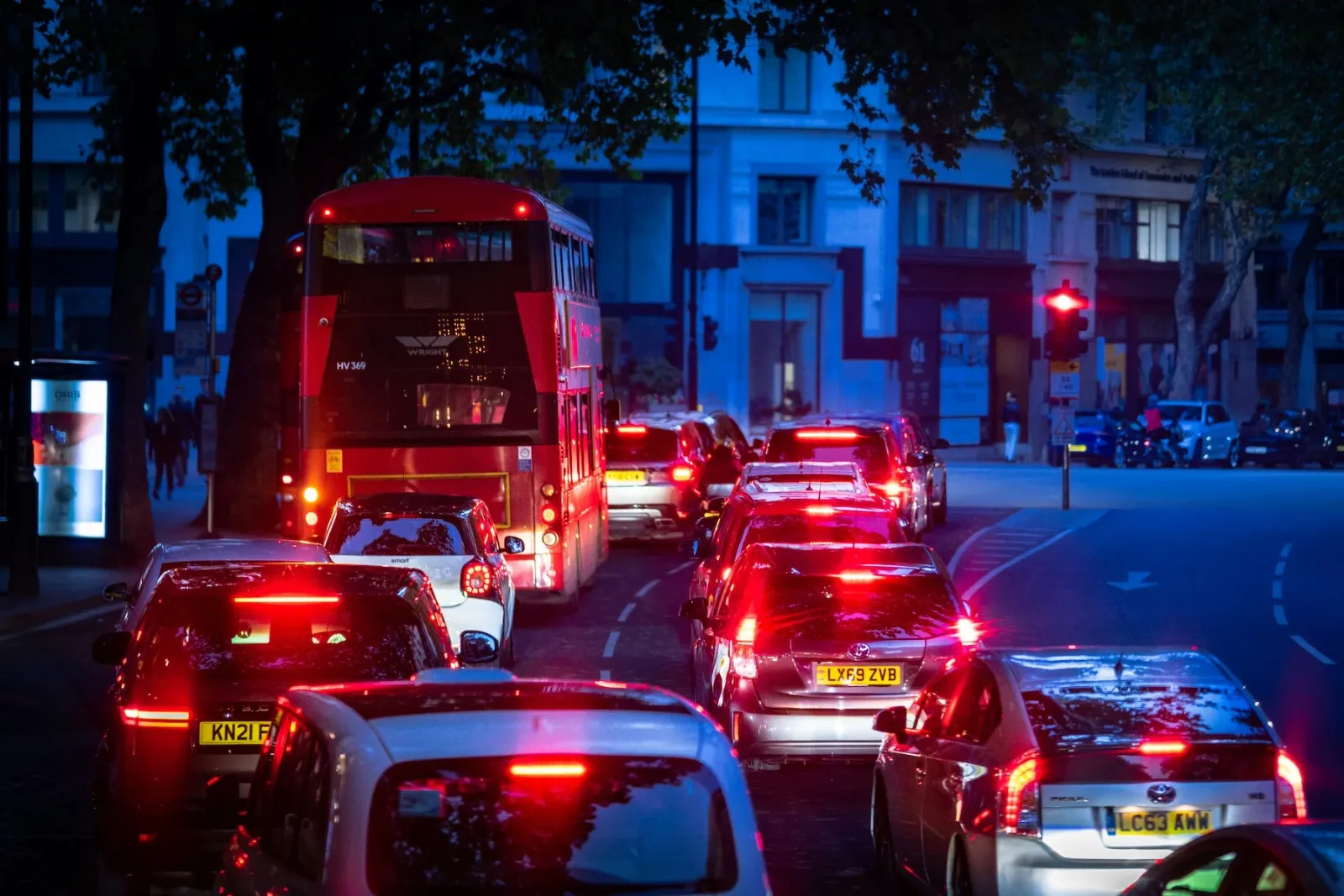
Transport for London (TfL) has launched a consultation process regarding stricter licensing rules for driver-based ride services, particularly those like Uber. TfL is considering requiring newly licensed vehicles to be fully electric by 2028. A transition period until July 2030 is planned for vehicles adapted for wheelchair users.
Image: Unsplash/Michael Fousert
Transport for London (TfL) will accelerate the electrification of chauffeur-driven rental cars. According to proposals for which the transport authority has launched a public consultation, starting in 2028 only fully electric vehicles will be eligible to obtain new licenses as so-called Private Hire Vehicles (PHVs).
Uber-style ride-hailing apps affected
The planned rules therefore apply to vehicles booked through ride-hailing apps such as Bolt, Lyft, and Uber, as well as traditional minicabs, but not to taxis, which are regulated separately. Gasoline, diesel, mild hybrids, full hybrids, and plug-in hybrids would be excluded from new PHV licenses. The requirement for wheelchair-accessible vehicles is set to take effect in July 2030. The consultation will run until December 2, 2026.
TfL cites the aim of reducing air pollution and CO2 emissions from road traffic as the reason for this initiative. According to the agency’s projections, nitrogen oxide emissions from the PHV fleet could drop by 9 percent within the first ten years, while CO2 emissions could fall by 35 percent. Over an 18-year period, reductions of up to 97 percent are possible for both types of emissions. However, these are merely projections.
Over a third already run on pure electricity
The PHV fleet has already achieved a high degree of electrification. As of September, according to TfL, more than a third of London’s 94,661 licensed PHVs—35.5 percent—were pure electric vehicles. Another 35.2 percent were plug-in hybrids. This means that over 70 percent of the vehicles were running with at least partially zero emissions.
In addition to electrification, TfL plans further changes to licensing rules. Starting in March 2027, PHVs that are ten years or older will no longer be allowed to retain a valid license. The authority also intends to reduce the renewal period for expired taxi or PHV licenses from the current two years to twelve months. If this deadline is missed, the vehicle will be treated as a new application and must meet the applicable licensing requirements. New permits for conversion systems to alternative fuels such as liquefied petroleum gas (LPG) and compressed natural gas (CNG), as well as for additional exhaust purification systems, are also set to be eliminated.
No final decision yet
"This consultation outlines our proposals to build on the progress made so far and accelerate the transition to a zero-emission fleet," said Christina Calderato, Director of Strategy at TfL. The authority emphasizes the importance of ride-hailing services for door-to-door mobility, especially in areas where public transportation networks have gaps. However, the proposed rules are currently only suggestions. Whether and how they will be implemented depends on further consultation and decision-making processes.