
The best of both worlds, electric and combustion, is found under the hood of the Peugeot 3008 PHEV.
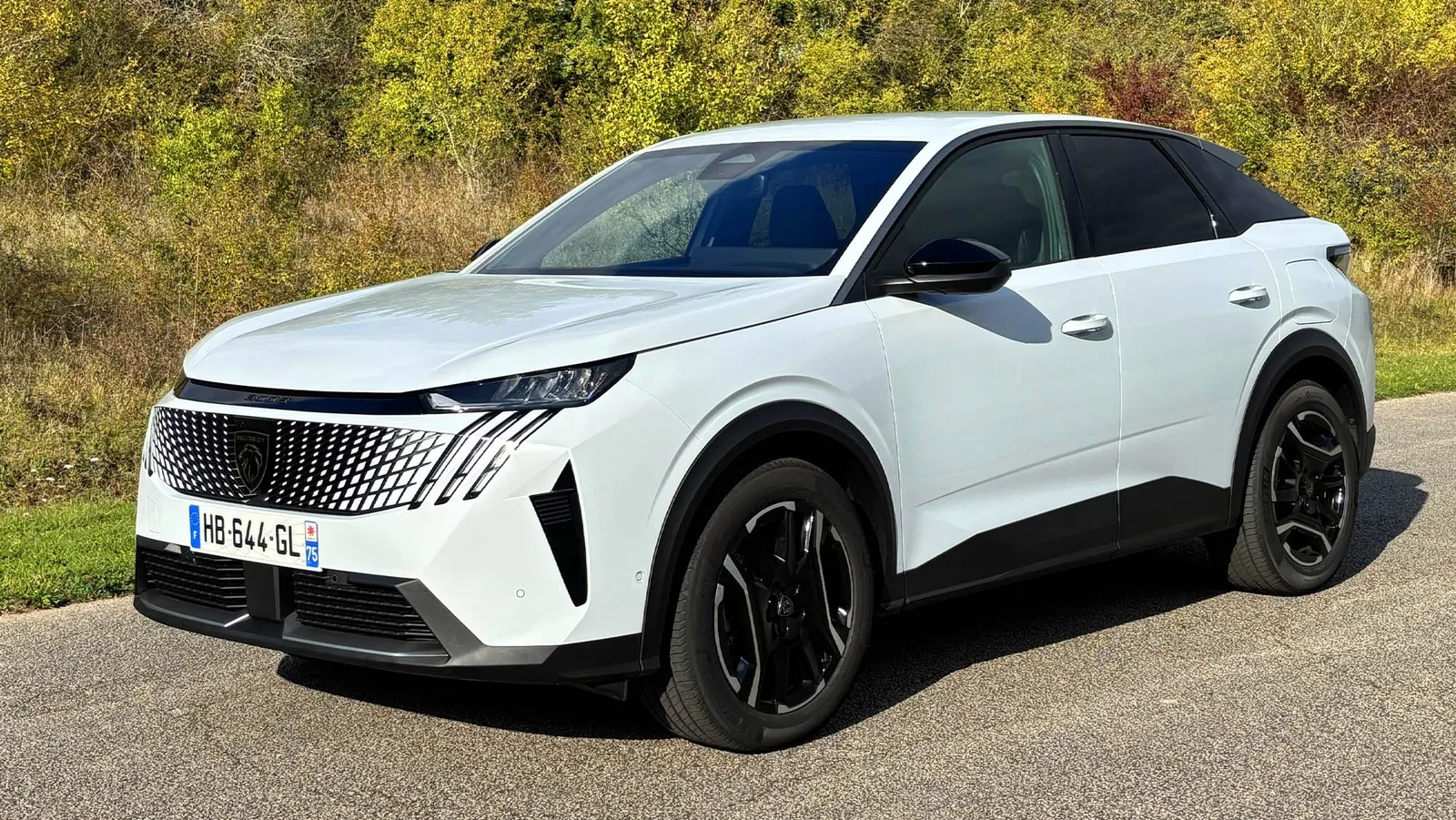
The electrification of cars doesn’t necessarily mean completely changing driving habits. For those who want to cover most of their daily trips in 100% electric mode but still need the freedom to travel long distances without relying on a charging network, a plug-in hybrid offers a middle ground.
The 225 HP Peugeot 3008 PHEV is precisely designed for this purpose. This fastback SUV combines a plug-in hybrid system with an electric range of up to 97 kilometers WLTP, while also featuring a gasoline engine for trips that exceed the battery’s available range.
In addition, the brand reinforces this commitment to peace of mind with PEUGEOT CARE, an 8-year or 160,000-kilometer warranty available for the entire Peugeot sedan range, including electric models. The coverage activates automatically and at no extra cost after each maintenance service performed at a Peugeot official dealership.
What does a plug-in hybrid offer in everyday use?
The concept is simple: the Peugeot 3008 PHEV features a battery that can be charged by connecting it to the electrical grid. With enough energy stored, the vehicle can operate in 100% electric mode for daily commuting.
This allows the car to function as an electric vehicle for most of everyday use: urban commuting, trips to work, errands, and regular drives. When longer distances need to be covered and the battery can no longer provide electric power, the hybrid system enables continued use of the gasoline engine.
It is this combination that distinguishes a PHEV from a purely electric car: electricity for daily use and a thermal engine as a backup for longer journeys. The manufacturer itself defines this technology as a solution that combines short-distance electric driving with the flexibility needed to travel greater distances.
The key is therefore to have a charging point at home, at work, or in a public location and to make charging part of a routine. The goal is not to use the electric motor all the time or abandon the gasoline engine, but to utilize each technology where it is most appropriate.
The Peugeot 3008 PHEV 225 CV offers a solution particularly suited for those who want to increase the distance they can travel on electricity without turning every long journey into a concern about range and charging.
The concept boils down to a simple idea: use electricity whenever it fits into one’s routine and retain the flexibility of a hybrid system when longer distances are required. All of this is combined in a 225 CV fastback SUV that adds space, comfort, and technology to the equation.
Up to 97 km of electric range WLTP: a figure that changes driving habits
Nevertheless, this figure makes it easy to see the potential of this system. For a driver whose usual trips fall within that range, a full charge can cover a significant portion of daily use without relying on the gasoline engine.
And when the distance exceeds that limit, there’s no need to plan the trip around the electric range: the hybrid system maintains the ability to continue the journey.
225 HP and seven-speed automatic transmission
The Peugeot 3008 PHEV combines its electric propulsion system with a combined power output of 225 HP and a seven-speed automatic transmission. The battery has a capacity of 17.8 kWh.
In addition to the ability to drive in electric mode, the hybrid configuration allows combining the two power sources when circumstances require it. The goal is to maintain a balance between efficiency and performance, without turning electrification into a limitation for everyday use.
The certified figures also reflect the technology’s potential: the Peugeot 3008 PHEV has a combined fuel consumption of between 2.4 and 2.6 liters per 100 kilometers according to WLTP standards, with CO₂ emissions ranging from 54 to 58 grams per kilometer, depending on the configuration.
As with any PHEV, these certification figures depend on proper utilization of the electric driving capability. The frequency of battery charging and the type of usage have a direct impact on actual fuel consumption.
Charging can become part of the routine
Charging doesn’t necessarily require long waiting periods. With a Wall Box and a 7.4 kW single-phase charger, Peugeot indicates a charging time of 2 hours and 55 minutes. With a 3.7 kW single-phase charger, the time increases to 5 hours and 15 minutes, depending on the setup.
In practice, this allows charging to be treated as an operation tied to using the vehicle itself: plugging it in upon returning home to have energy available for regular trips.
This is one of the fundamental differences compared to a conventional hybrid. In the latter case, it’s not possible to plug in the car to recover a significant amount of energy for driving on electric power; this is possible in a PHEV.
A Fastback SUV that doesn’t sacrifice versatility
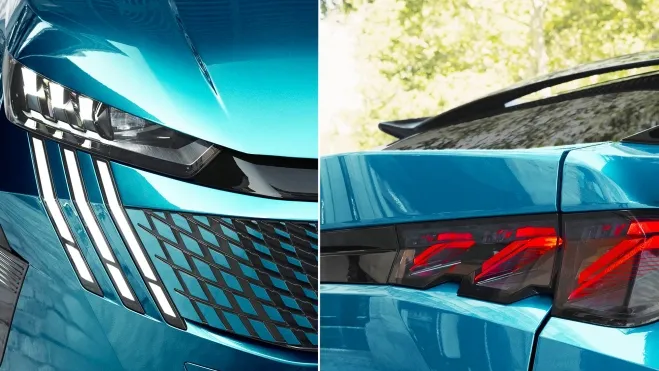
Electrification is one of the selling points of the Peugeot 3008 PHEV, but not the only one. The model retains the Fastback SUV philosophy of the 3008 series, featuring a aerodynamically designed body, a high-tech front end, PEUGEOT MATRIX LED headlights, and a floating spoiler.
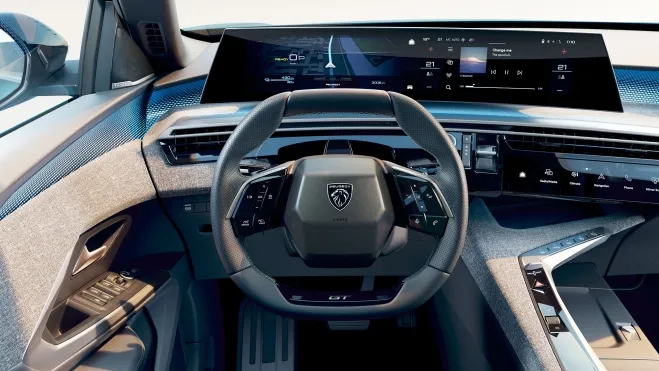
The full range includes four finishes: Style, Allure Plus, GT Plus, and GT Exclusive. Inside, the PEUGEOT Panoramic i-Cockpit stands out, along with connected services designed to simplify daily vehicle use. Thus, technology is not limited to the propulsion system but is part of the driving experience as well.
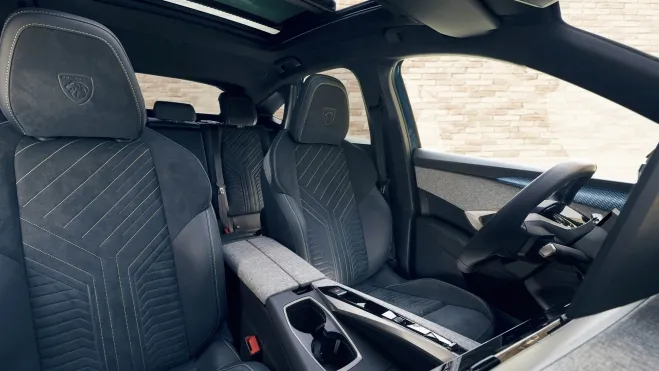
There is also ample space for family use. The Peugeot 3008 PHEV offers 588 liters of trunk space, which can increase to 1,663 liters with the rear seats folded down, according to the model’s specifications.
This balance between space, comfort, and technology is crucial for understanding what a PHEV like this aims to deliver: it’s not simply about adding a battery to an SUV, but about providing a vehicle capable of handling various types of use cases.