
Truck fast charging network: 836 charging stations at 124 rest areas
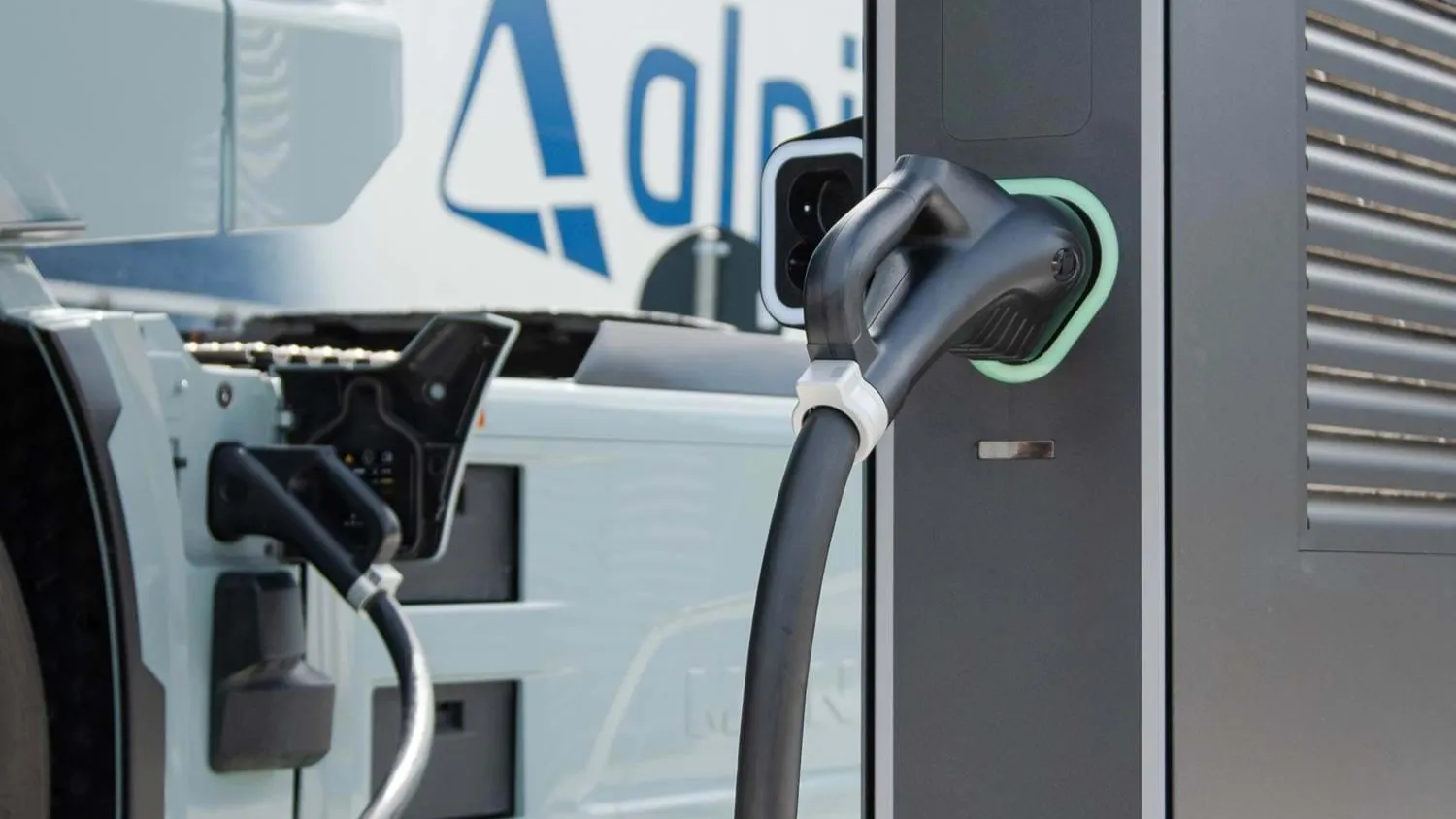
836 charging stations for electric trucks are being installed at 124 unattended highway rest areas, 447 of which have Megawatt-level charging capacity. The federal government plans to establish around 4,200 charging stations at approximately 350 locations, allocating about one billion euros for this purpose.
Advertisement
The planned nationwide fast-charging network for electric trucks along highways is moving from planning to implementation. Federal Transport Minister Steffen Bilger (BMV) announced this at the IAA Transportation in Hanover. Joining him on stage were VDA President Hildegard Müller and Prof. Dr. Dirk Engelhardt, spokesperson for the Federal Association of Freight Transport, Logistics, and Waste Management (BGL). The federal government is allocating around one billion euros for this project.
Phase One: 836 charging stations at unattended rest areas
In the first step, 124 unmanaged rest areas will be equipped with fast charging stations for electric trucks. Contracts for construction and operation were awarded already last summer. A total of five companies won the bids, though the ministry’s statement does not mention their names. Information on the manufacturers of the charging technology is also still missing.
According to Dirk Brandenburger, head of technology at the federal Autobahn GmbH, a total of 836 charging points will be installed at these 124 locations. Of these, 447 are intended for Megawatt charging using the MCS standard (Megawatt Charging System), while the rest are likely to use the CCS standard. This results in an average of just under seven charging points per rest area. Specific charging capacities per point are not specified.
According to its own statements, Autobahn GmbH began applying for network connections in 2024. This is significant because the capacity to connect to remote rest stops is often the bottleneck in establishing high-capacity charging stations. Contractors are now starting site-specific planning before proceeding with actual construction. The ministry does not provide a timeline for launching the first sites.
Advertisement
Total network: Around 4,200 charging stations at approximately 350 locations
According to the current planning, the complete network is expected to include around 350 locations on federal-owned land along highways. Of these, approximately 225 will be manned rest areas, meaning those with gas stations or service facilities, while 124 will be the unstaffed sites for which contracts have now been awarded. The bidding process for the manned rest areas is still in preparation.
The goal is to establish around 1,800 MCS charging points and approximately 2,400 CCS charging points, totaling roughly 4,200. These charging points are intended to cover short stops during required driving breaks as well as enable overnight charging during longer rest periods. The site selection was carried out by the BMV in collaboration with the Autobahn GmbH and the National Charging Infrastructure Control Center at NOW GmbH. According to the involved parties, traffic and demand modeling for future electric heavy freight transport serves as the basis for this planning.
Industry pushes for rapid implementation
The industry welcomes the move but ties it to clear demands. VDA President Müller described the lack of public charging facilities as an ongoing obstacle to the sales of electric trucks. As demand slows down as a result, manufacturers face penalty fees under Europe’s CO₂ fleet regulation for heavy commercial vehicles, even though electric models are available. What is crucial now is that charging stations become readily available promptly.
BGL board spokesperson Engelhardt described the planned charging stations as a “significant start.” Transport companies need the assurance that they can charge their vehicles in daily operations without long wait times. Charging stations, high-capacity power connections, and actual demand must be considered together. Additionally, the association calls for continued support for charging stations in warehouses, practical rules for compensating heavier electric trucks for their extra weight, and reliable financing.
Dagmar Fehler, CEO of NOW GmbH, pointed out that the decisions made now will significantly determine in a few years how reliably electric freight transport will function in Germany.
Advertisement