
India has a plan: 100,000 electric heavy vehicles within 5 years
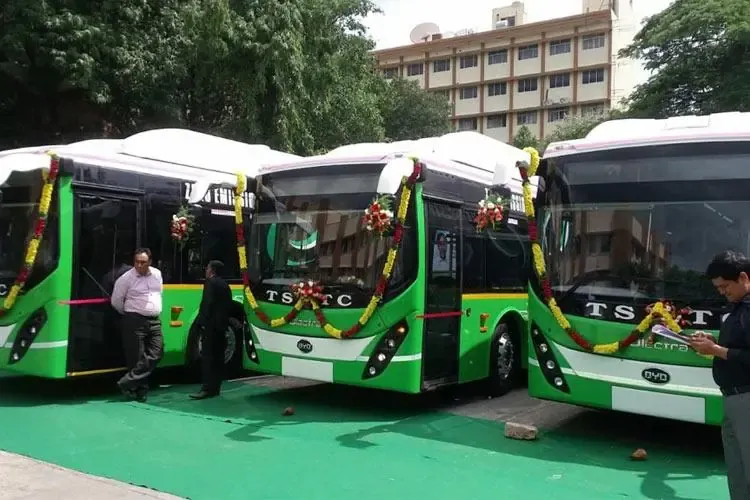
The Indian government is considering a new support program for heavy electric vehicles, aiming to deploy 100,000 such vehicles over the next five years. The plan could support 50,000 electric buses and 50,000 electric trucks by addressing financing costs and the guarantees required from operators.
This initiative stems from the realization that India’s transition to electric vehicles is progressing at very different speeds across various segments. Two- and three-wheeled vehicles have already achieved significant adoption, electric cars are growing in popularity, while the penetration of heavy commercial vehicles remains minimal.
Lending remains one of the main obstacles
Hanif Qureshi, deputy secretary at the Ministry of Heavy Industries, illustrated the project during the India Clean Transportation Summit 2026 in New Delhi.
According to Qureshi, banks and financial institutions still consider it very risky to finance manufacturers and operators of electric heavy commercial vehicles. Moreover, when credit is granted, the interest rates can be higher.
The new program could therefore introduce interest subsidies and partial credit guarantees, with the aim of making the purchase of electric buses and trucks more sustainable. The problem is particularly evident for small fleets, which may face greater difficulties accessing financing.
According to rumors, the guarantee could cover up to 80% of the remaining financing in case the operator goes bankrupt. However, this is just a hypothesis and not a measure officially announced by the government.
India, $1 billion plan for electric buses and trucks
A plan worth nearly 900 million euros
The proposed scheme would have a total value of around 98.52 billion rupees, equivalent to about 896 million euros. Part of the funds might also be allocated to charging infrastructure.
For electric buses and trucks, the issue isn’t just the vehicle cost. Heavy vehicles often require dedicated charging stations, high-capacity infrastructure, and sufficient space for parking and maneuvering. Financing both vehicles and infrastructure simultaneously thus poses a significant barrier for operators.
Electric trucks remain a niche market
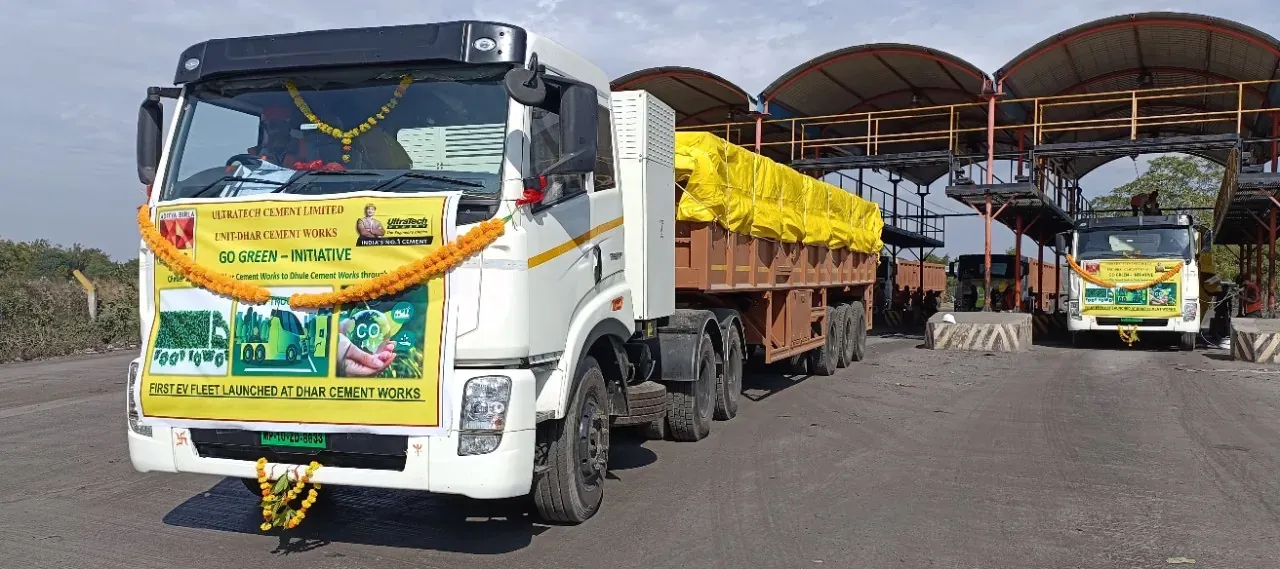
The numbers explain why the government wants to take action. In 2025, India registered 2,339,501 electric vehicles, but only 573 were electric trucks: just 0.02% of the total.
The figure has still increased compared to the 224 units in 2024. The percentage increase is therefore very high, but it starts from an extremely low base.
The situation improves when looking at vehicles with a total weight of up to 3.5 tons, where the presence of electric vehicles is more significant. But in higher weight categories, the transition is still in its very early stages. This is why Qureshi himself warned that complete electrification of trucks in the short term is not realistic.
Buses are further ahead, but volumes remain low
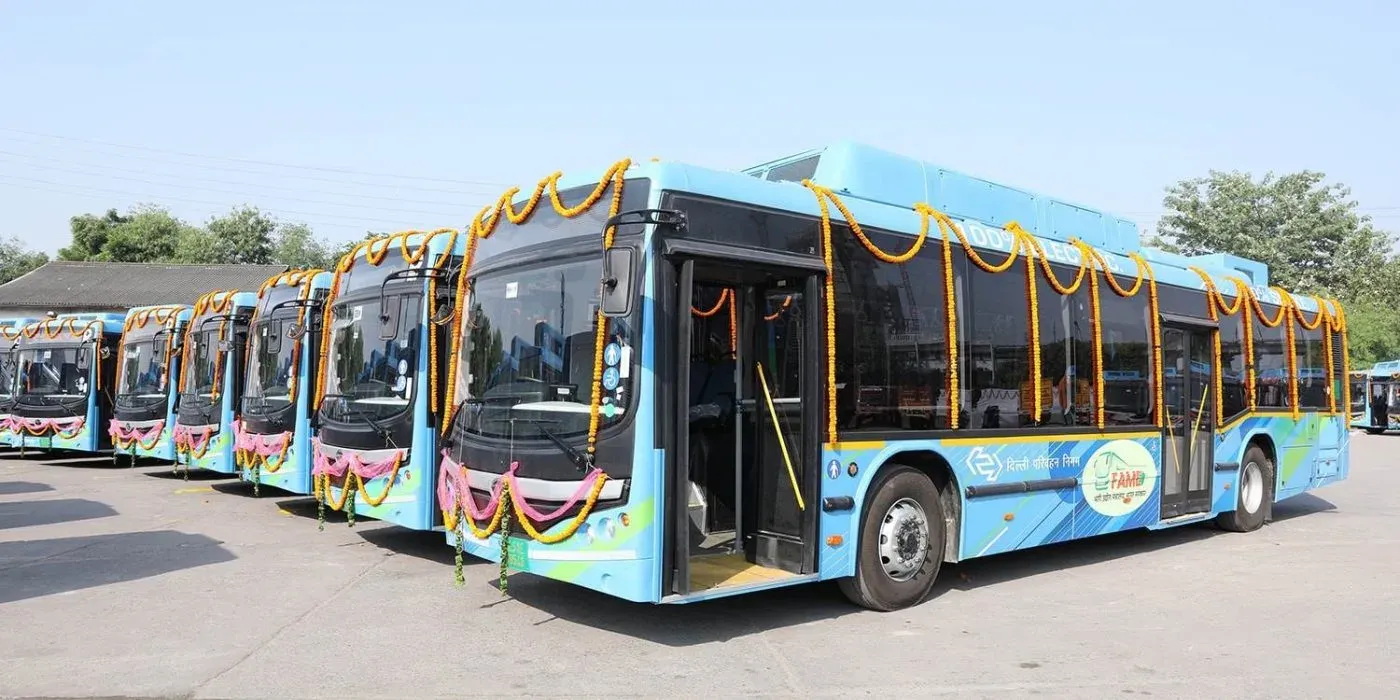
The situation for electric buses is more positive. In 2025, 4,615 electric buses were registered in India, up from 3,905 in 2024, representing an 18.2% increase.
The adoption is primarily driven by purchases made by public transportation authorities through existing government programs. The private sector, on the other hand, continues to face financial and infrastructure costs that make the transition to electric vehicles more complicated.
A matter of energy security
Behind India’s policy for heavy vehicles is a motivation that goes beyond reducing local emissions. India actually imports over 85% of the crude oil needed for its energy system.
Electrifying buses and trucks thus means gradually reducing dependence on imported diesel by shifting part of the energy demand to electricity produced and distributed within the country.
The new program is still in the planning stage, but it clearly shows how the Indian government intends to support the transition to heavy-duty transportation as a tool for energy security, reducing import costs, and developing the domestic industrial sector.
Electric Week/Watch Marco Berti Quattrini’s VIDEO
Previous Article
China produces three new EVs per day. CATL: battery quality at risk
Next Article
Electric construction vehicles? The regions funding them