
Limiting the maximum power of electric bicycles causes more harm than benefit to users, as well as to the industry itself.
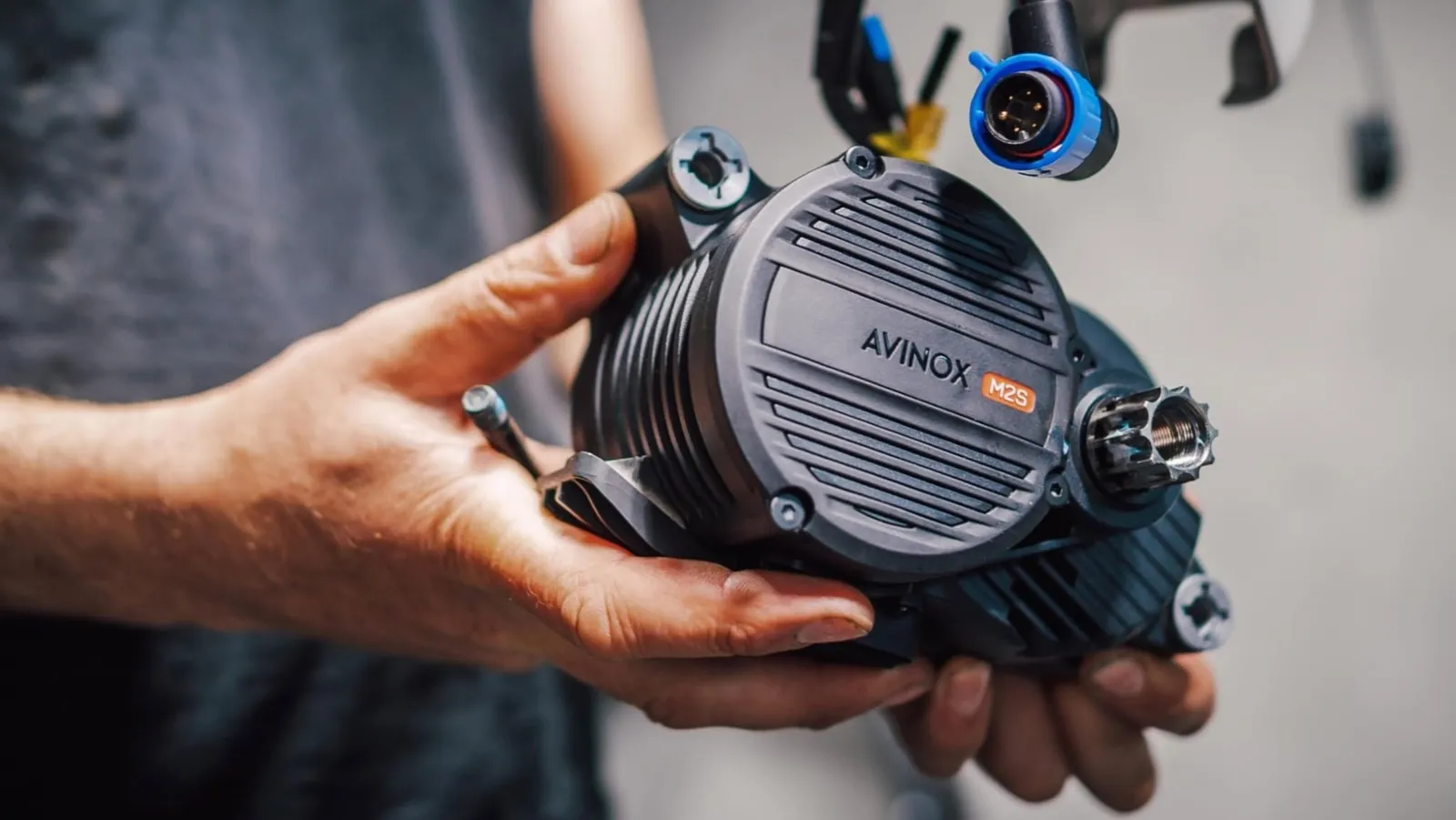
The German Bicycle Industry Association ZIV (Zweirad-Industrie-Verband), along with the Confederation of the European Bicycle Industry CONEBI (Confederation of the European Bicycle Industry), proposed a few months ago that a maximum power limit (peak power) be set for electric bicycle motors at 750 W.
They cited various arguments, including safety concerns, but in our view, the most significant factor may be fear that the European Union could, under Regulation 168/2013 on motor vehicles, eventually classify them as moped-like vehicles, which would require things such as a license and mandatory insurance.
The current European debate stems precisely from this argument, as both ZIV and CONEBI advocate for limiting power to 750 W in order to keep EPACs within the bicycle category. However, upon reading the text of Regulation 168/2013, we find the following exceptions for considering a vehicle as motorized: “assisted pedal bicycles equipped with an auxiliary electric motor, having a maximum continuous rated power of 250 W or less, whose power gradually decreases and ultimately stops before the vehicle’s speed reaches 25 km/h or if the cyclist stops pedaling.” At present, there is no mention of what the peak or instantaneous power should be.
Arguments in favor of NOT limiting power to 750 W
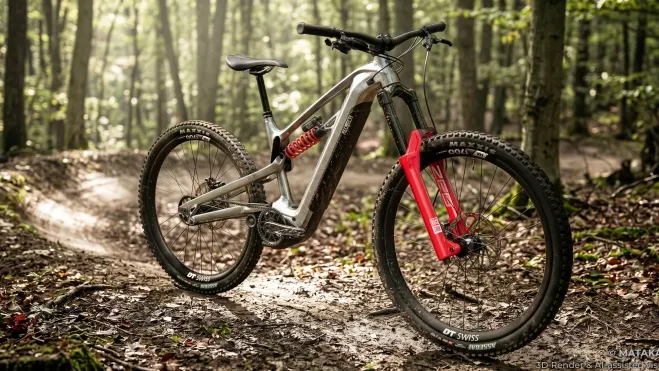
According to opinions from various stakeholders in the cycling industry, such as LEVA-EU (a trade association representing Europe’s light electric vehicle sector) and some emerging technology manufacturers, there are strong arguments against limiting the maximum power of electric bicycles:
A high power rating does not mean greater danger: an EPAC bike with a very powerful motor (some already reach 1,700 W) does not necessarily mean it will reach speeds over 25 km/h, so speed is not affected. In fact, a high peak power output at a specific moment could even improve safety by allowing the bike to start, for example, at an intersection, carry more load (ideal for e-Cargo bikes), or overcome challenging terrain in the mountains.
No one talks about torque: both ZIV and CONEBI discuss maximum power but not torque, a figure that might be more relevant in determining performance. A high torque value, which is usually available at low speeds, can make a bike respond very abruptly, even if its maximum power is below 750 W.
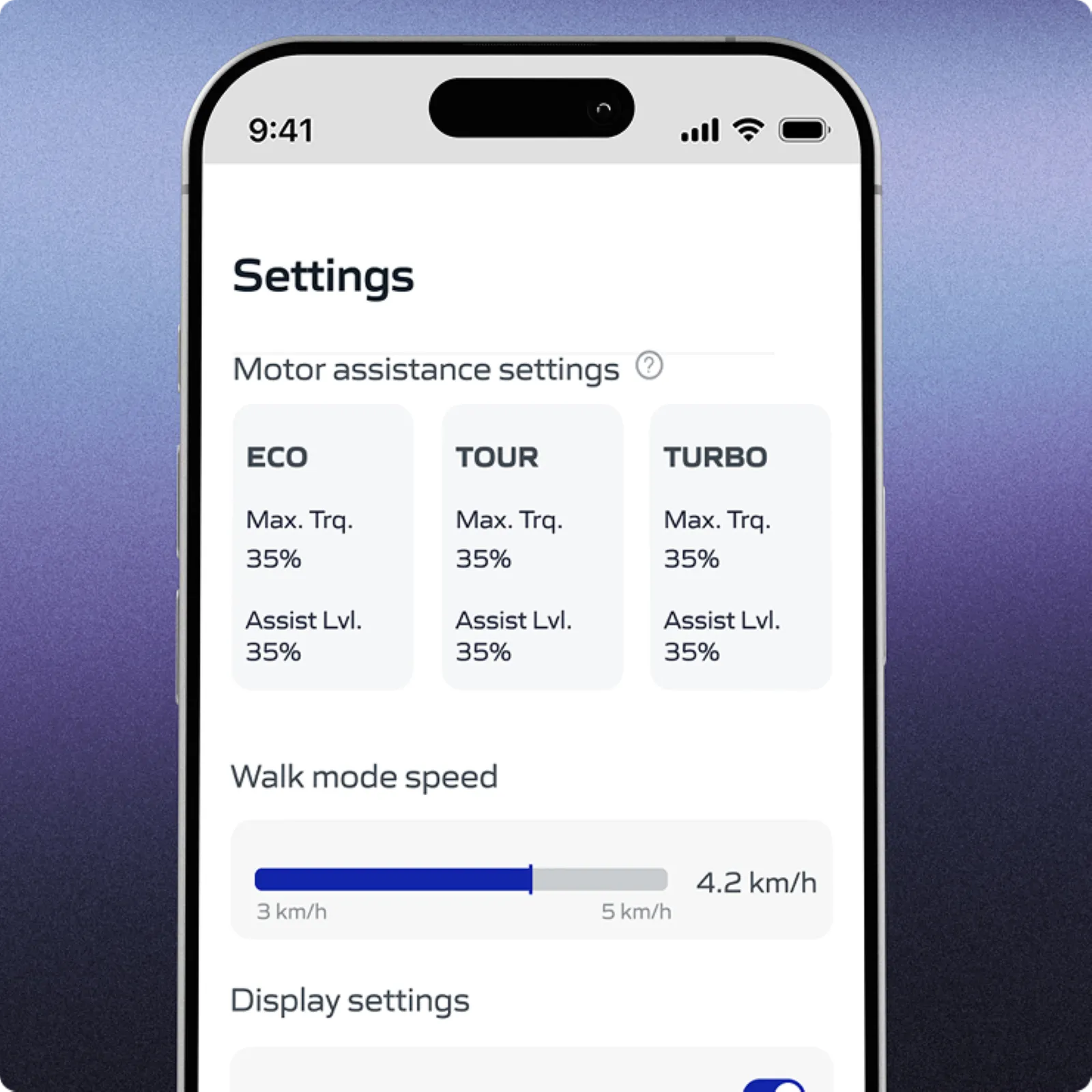
Limiting power output could reverse the rapid development we’ve seen recently in high-powered engines equipped with cutting-edge technology that often enhances safety. Features such as extensive customization options, traction control, and hill start assist have emerged alongside the continuous increases in power we’ve observed over time.
It can also have a negative impact on the proliferation of bicycles in cities: high-power needs are not limited to e-Cargo bikes. If we want car users to abandon their vehicles for bicycles, we must address various factors such as physical challenges or simply the desire to avoid sweating, for which bikes with strong assistance features can be an attractive option.
Is there any alternative to simply limiting the maximum power?
Behind this European “anti-power” trend promoted by ZIV and CONEBI, some (LEVA-EU) see certain interests at play, arguing that these associations, influenced by European giants like Bosch, have set this limit to protect their current dominant market position. We already know that Bosch offers its best engine with a maximum power of 750 W, although recent updates have increased its torque to 120 Nm.
Talking about high power outputs might seem like it’s just about high-performance mountain bikes designed for fun. But it’s important to remember that there’s more to e-bikes than just mountain bikes: for example, e-Cargo bikes, which are increasingly being used in urban areas, require significant power to move a weight that can reach up to 300 kg in some models (bike + rider + load).
In addition, modern motors use sensors for torque, speed, slope, pedaling cadence, as well as temperature and battery status data, to adjust the power output accordingly, so we’re not talking about “unleashed horses” here. In short, there are other options beyond simply limiting power output strictly:
Drive a clear and firm commitment from the industry to oppose software manipulation that removes speed and power limits, by establishing clear and standardized boundaries. It must be said that modern engines show a great tendency to lift speed limits simply by registering the bike in a country with more permissive rules.
Adjust the way power is delivered: while most high-powered engines allow each user to adjust how power is delivered, it might be better if engines came pre-set with a smoother adjustment that couldn’t be changed, making them more manageable.
Factory tests: Just as motor vehicles must undergo a series of tests before hitting the market, bicycles could also go through various tests to evaluate fundamental aspects such as stability, braking, or handling—qualities essential in any bicycle but particularly critical for heavily loaded urban bikes.
Conclusion
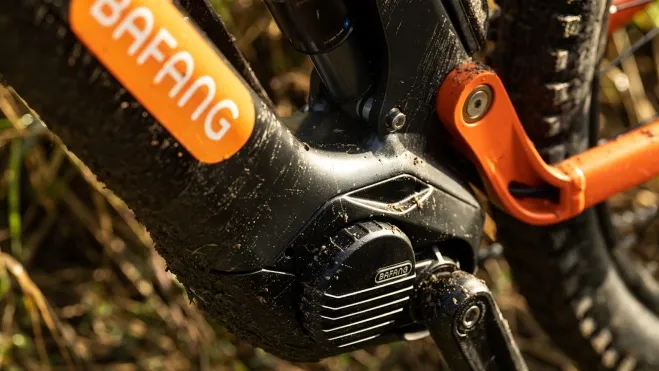
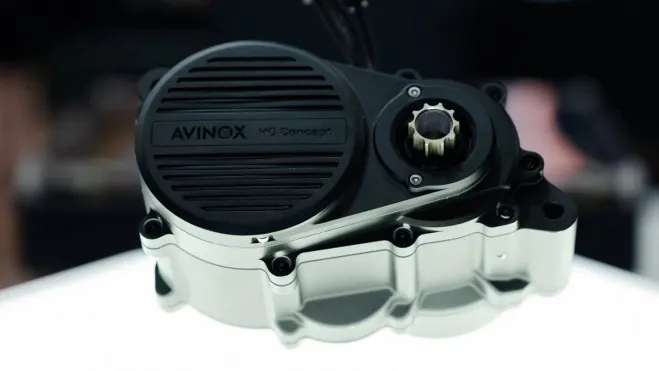
It seems that recently (with everything relaxing a bit in the summer), the controversy has eased somewhat, and we’ve seen the emergence of new motor models with impressive specifications: Bafang was the latest brand to join the race to create more powerful motors, with its M560 RS delivering up to 1,700 W of power. Not long before that, the Chinese brand Gobao launched its X1P, which offers up to 1,500 W of power and, more notably, an integrated CVT-style transmission.
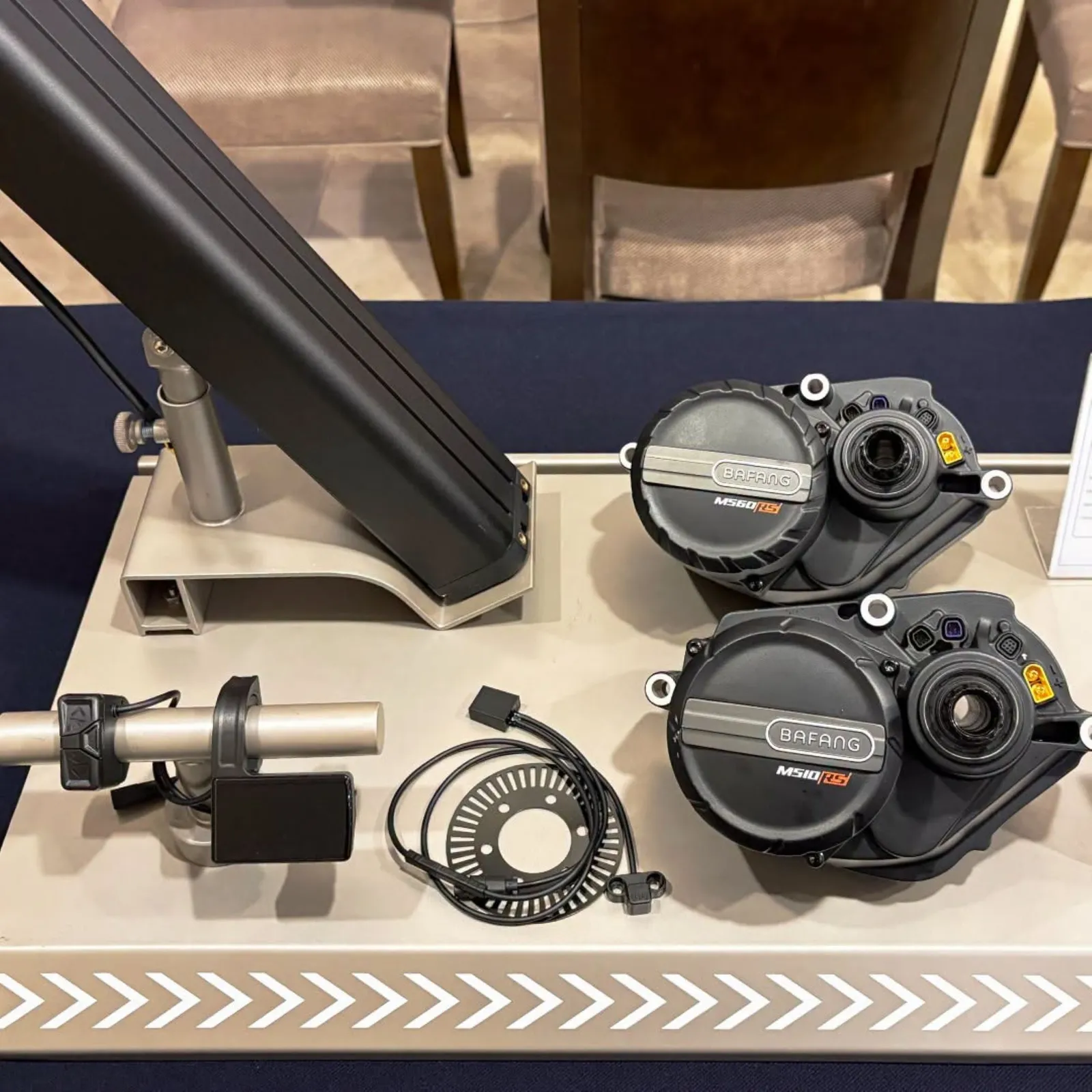
And the interesting thing, more than just power, is that we’re seeing a clear effort from manufacturers to offer better performance, especially in terms of safety. As mentioned, features like traction control, compatibility with ABS, hill start assist, automatic gear shifting, ‘walk assist’ modes that provide power to keep the bike at the cyclist’s pace, and many others not listed here all make life easier (and safer) for users.
And since power metrics remain an attractive selling point, manufacturers continue to innovate in these areas: if motors stopped at 750 W in terms of power, the rapid emergence of new models would also slow down.