
The limit will not stop China’s offensive. The EU is cutting imports of hybrid products, but Chinese manufacturers are already changing their strategy.
The European Union and China have reached an agreement to limit imports of hybrid and plug-in hybrid vehicles from China to 350,000 per year. For Brussels, this is an attempt to protect the European automotive industry from increasing competitive pressure. The problem is that Chinese manufacturers seem to be already one step ahead. Rising exports, record production of electric cars, and the construction of factories in Europe show that trade agreements can only slow down, not stop, their expansion.
In this article:
Why might the import limit on Chinese hybrids prove insufficient to protect European manufacturers?
How fast are cars exported from China to Europe growing, and which brands pose the greatest threat to local companies today?
The stakes in the EU-China dispute include not only cars but also access to critical raw materials, including rare earth metals.
EU Sets a Barrier but Does Not Close the Market
After months of trade tensions, Brussels and Beijing reached an agreement to limit Chinese hybrid and plug-in hybrid vehicle exports to the European Union to 350,000 units per year. According to reports by South China Morning Post, this limit is more than twice lower than the estimated deliveries for this year, which were projected to reach around 800,000 cars.
As the newspaper notes, the agreement could lead to manufacturers in China changing their strategies. With limited export volumes, they will focus on more expensive and profitable models. “Europe must prepare for an influx of high-end electric cars from China, offered at a fraction of the price of their European counterparts, while often providing better features and performance,” the South China Morning Post analysis emphasized.
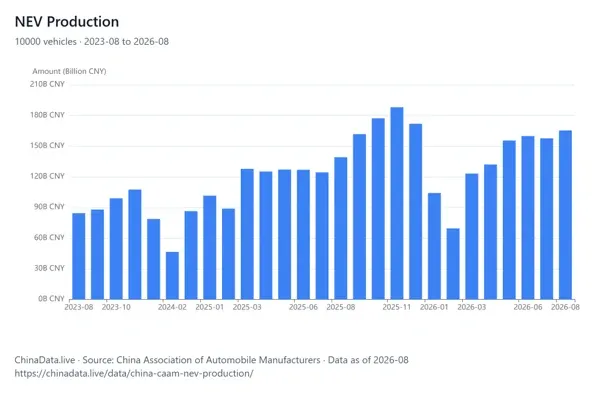
NEV production in China over the years:
This is a significant change. Just a decade ago, European manufacturers mainly competed with Japanese and Korean brands that had gradually built their positions over the years. Chinese companies are developing much faster, leveraging the experience gained in the world’s largest electric vehicle market.
Producing on an unprecedented scale
The scale of China’s NEV sector (New Energy Vehicles, i.e., electric and plug-in hybrid vehicles) is currently difficult to compare to any other market. According to data from the China Association of Automobile Manufacturers (CAAM), cited by China Data Portal, NEV production in China reached 1.653 million units in August 2026. The cumulative production for the first three quarters of the year already amounted to 12.48 million vehicles.
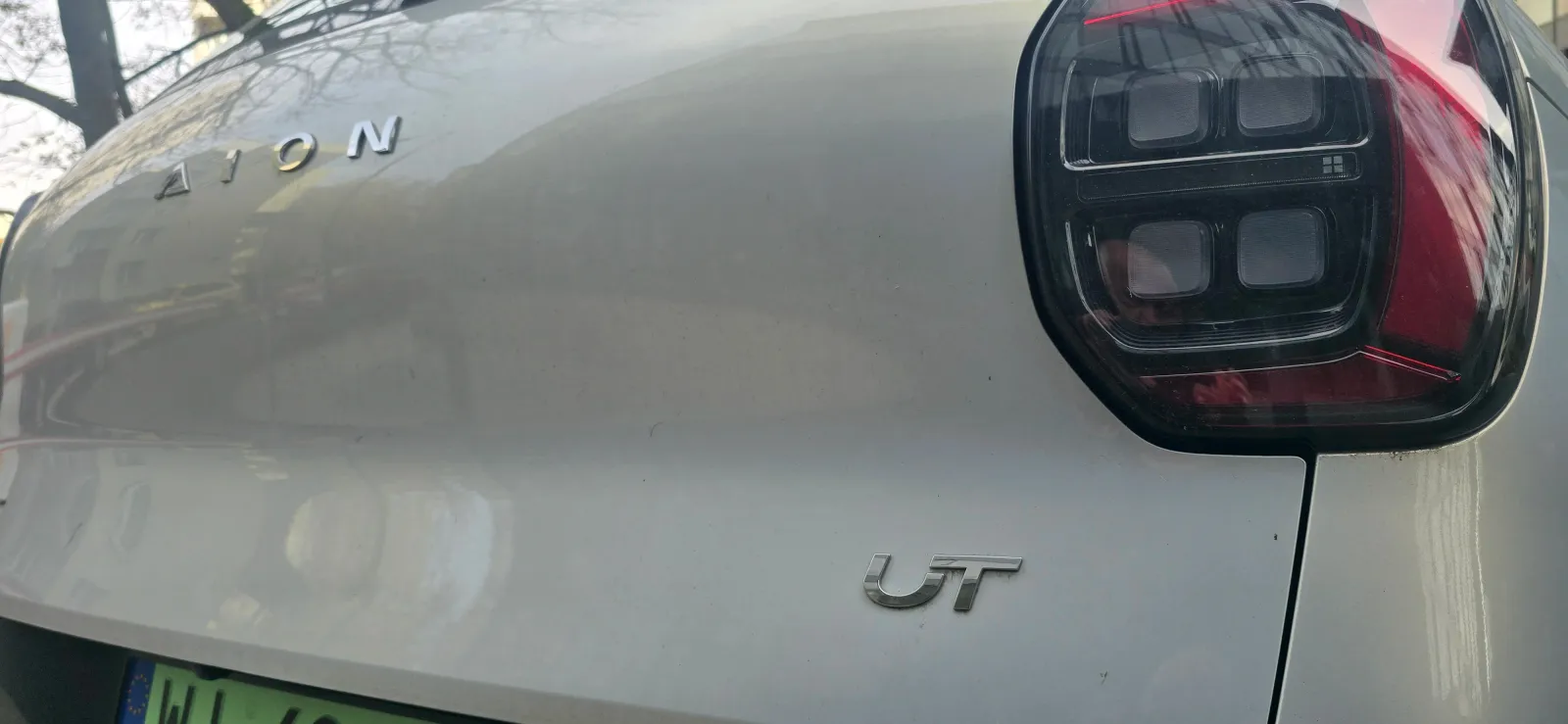
According to data published by Phate Zhang on CnEVPost, NEV sales in August 2026 rose by 17.8% year-on-year to 1.643 million units, with their share of the new car market reaching a record 60.6% of all registrations. This means that over six out of ten new cars sold in China are electric or plug-in vehicles. Export figures are even more telling. As CnEVPost reports, Chinese NEV exports in 2026 increased by about 130% year-on-year, offsetting weaker domestic demand.
Europe as an increasingly important export destination
Data from the European Association of Automobile Manufacturers (ACEA) show how significantly the trade relationship between Europe and China has changed.
EU-China automotive trade:
Year
Imports of cars from China to the EU
Exports of cars from the EU to China
2023
438,034 BEV electric cars
11,499 BEV electric cars
2025
1,105,806 new vehicles
161,514 new vehicles
According to ACEA, in 2025 over 1.1 million new vehicles manufactured in China entered the European Union, worth 15.1 billion euros. During the same period, the EU exported only 161,500 vehicles to China, valued at 8.5 billion euros. The trade balance shifted in favor of China for the first time, with a deficit of 6.6 billion euros.
In 2023 alone, 438,000 electric cars from China were imported into the EU, worth 9.7 billion euros, while European electric car exports to China totaled just under 11,500 units.
Meanwhile, the share of cars manufactured in China in Europe’s electric car sales rose to about 20% of the market.
Who produces in China for Europe?
The largest car exporters from China are:
Manufacturer
Exports I-IX 2024
Chery
829 thousand.
SAIC
664 thousand.
Changan
145 thousand.
Geely
111 thousand.
BYD
99 thousand.
Tesla (Shanghai)
88 thousand.
Source: CAAM/ECG.
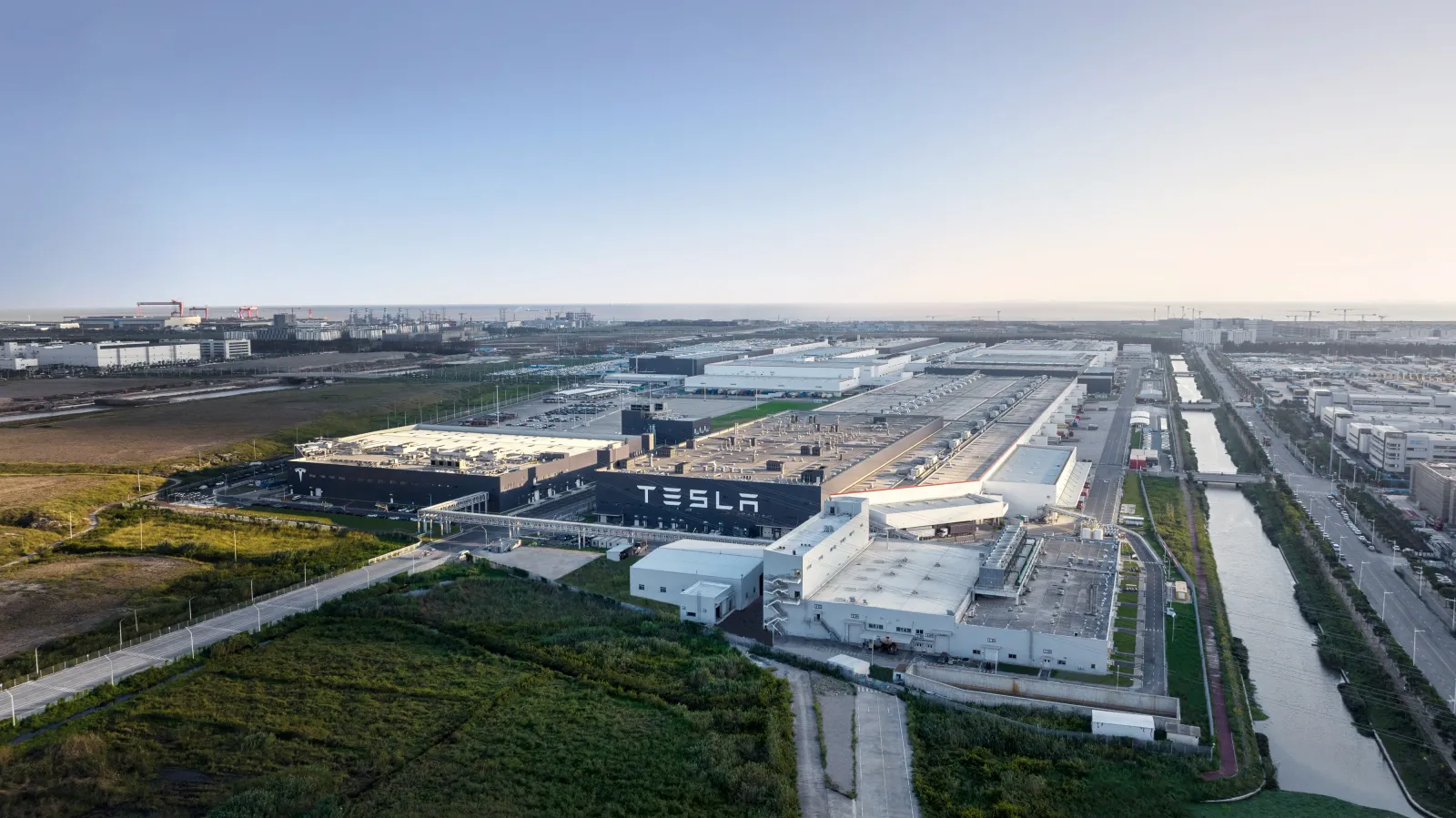
The largest exporters include both Chinese companies and Tesla, which produces cars in Shanghai for foreign markets. Models from brands such as Volvo, Smart, and Polestar manufactured in Chinese plants also reach Europe, according to Chinadata.live.
Tariffs Did Not Work as Brussels Had Expected
Recall that in 2024, the EU imposed additional tariffs on electric cars produced in China. However, the impact was limited. According to an analysis by Transport&Environment, the share of cars produced in China in EU electric car sales dropped from a record 22 percent to around 17 percent, but import volumes stabilized at around 350,000 cars per year. Meanwhile, sales of Chinese brands, especially BYD and Geely, continue to grow. It is no secret that manufacturers found a simpler solution—locating production in Europe.
Chineses Are Building Factories in Europe
Bloomberg notes that new import restrictions are likely to accelerate investments by Chinese companies in the EU. It is a strategy that allows them to bypass trade barriers while establishing a foothold in the market.
Key investments by Chinese brands in Europe:
Manufacturer
Location
BYD
Szeged, Hungary
Chery
Barcelona, Spain (jointly with Ebro)
Leapmotor
Tychy, Poland (in partnership with Stellantis)
Geely
Volvo plants in Sweden and Belgium
Reuters reported in June of this year that BYD will begin assembling cars at its plant in Hungary as early as the fourth quarter of this year. The company openly admits that Europe is currently its key area for expansion.
It’s not just cars. The game is also about rare earth metals
According to Marcin Zaborowski, cited by TVP World, access for Europe to rare earth metals may be more important than the import quota itself. “This is not yet a breakthrough,” the expert said after the trade talks in Beijing.
In his view, the declaration regarding cars is not binding, while agreements on easier access to raw materials used in electronics, electric vehicles, and defense industries could prove crucial. Europe remains highly dependent on China for the processing of rare earth metals, and establishing alternative supply sources requires many years of investment.
Conclusions
Firstly, quotas may buy time but won’t solve the problem, as an agreement restricting imports of Chinese hybrids will surely provide only temporary relief for European manufacturers. It’s hard, however, to consider this a breakthrough. Secondly, Chinese companies now possess massive production scales, advanced battery infrastructure, and cost advantages. At the same time, they increasingly prefer to produce cars locally rather than export them to Europe. Thirdly, this means the real question is no longer whether Chinese brands will gain a significant foothold in Europe. Instead, the question is how quickly the European automotive industry can respond to a challenge that seemed distant just a few years ago.
Oskar Włostowski