
Lidl in the Netherlands wants to have electric trucks to serve all 440 stores by 2027
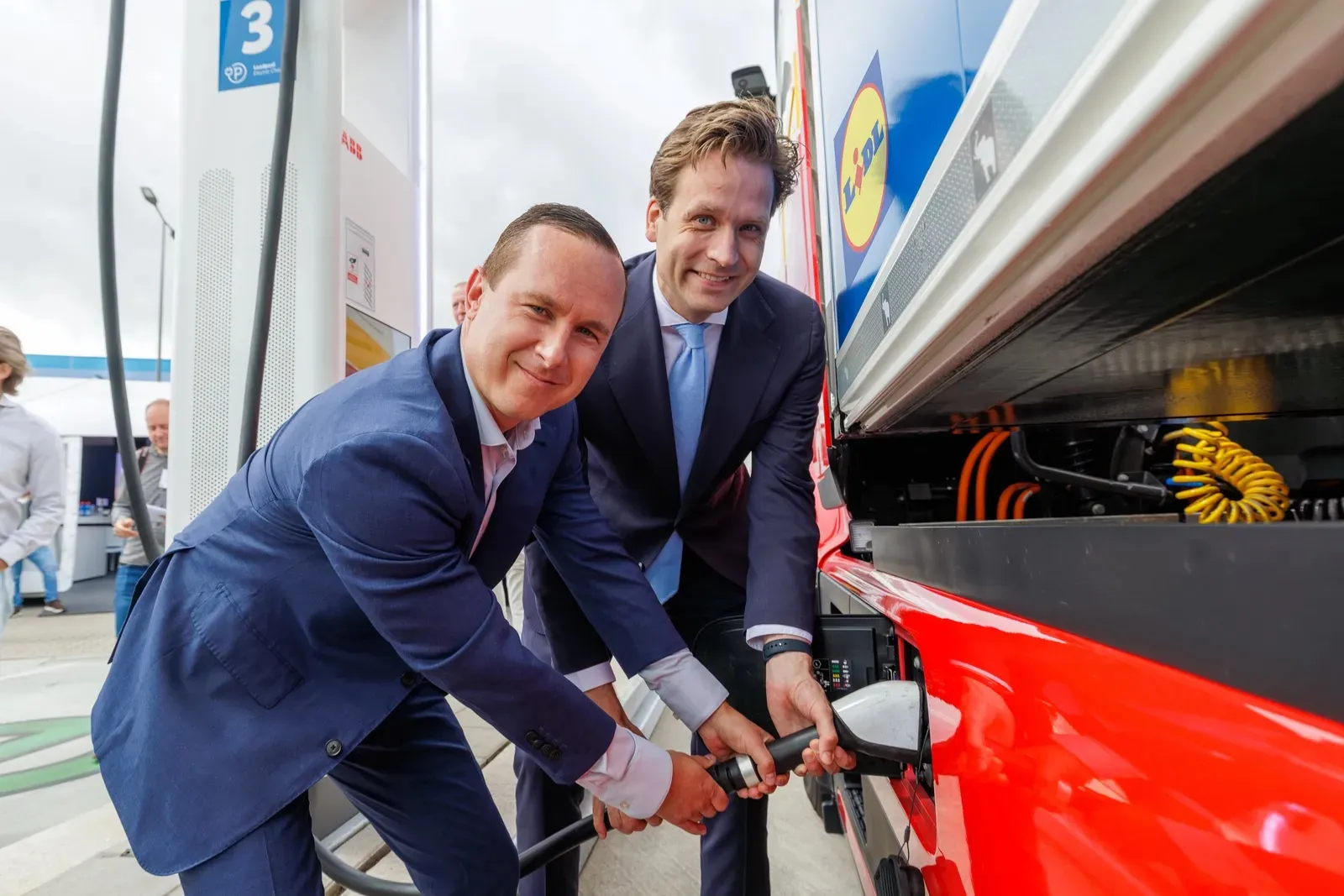
In Poland, there are four, and next year it could rise to ten. In the Netherlands, however, Lidl plans to purchase enough electric trucks to operate its entire network of stores. This is set to happen by 2027, three years ahead of the deadline outlined in its previous strategy. The move involves additional investments in renewable energy sources and an energy storage facility with a capacity of 1 MWh.
Dutch Lidl Sets the Course for Europe
Lidl in the Netherlands has been using LNG and HVO100 biofuels, as well as hydrogenated vegetable oils, in its trucks since 2024, which means it has been less affected by fluctuations in crude oil prices compared to its more traditional competitors. Despite this, the company decided to stop using any fossil fuels and switch to fully electric propulsion. It announced that its supply chain will be completely electrified by 2027. The company operates 440 stores in the country (source).
No information has been given on how many trucks will be purchased or needed to serve such a large number of locations. According to a Lidl Poland executive, electric vehicles are used more intensively in Poland, operating in two shifts, as they can enter any zone without exceeding noise limits and are expected to have a lower failure rate. They also run more frequently so that their total ownership cost remains reasonable compared to diesel trucks (meaning they are cost-effective despite being 2-3 times more expensive). If the Netherlands thinks similarly, this could lead to a reduction in the fleet size by roughly half, resulting in certain savings elsewhere.

To enable the use of electric fleets, the company equips its distribution centers with fast charging stations. There is one in Poland, and another was recently installed in the Netherlands. In the future, it is planned to include an MCS charging connector capable of handling up to 1.2 MW of power. These allow tractor units to charge during the driver’s mandatory break or loading pause. Photovoltaic panels are installed on the roofs of distribution centers because — again, information from Poland — the charger may require twice as much power as the entire center.
In the Netherlands, the installation in Almere was supplemented with an energy storage unit with a capacity of 1 MWh. It can power the charger (enough for about two trucks), the logistics center, and, if necessary, feed energy back into the grid (source).
Article Rating
Reader Ratings
[Total: 0 votes Average: 0]
Don’t miss new content — CLICK and FOLLOW Elektrowoz.pl on Google News. You might also be interested in the following ads: