
Li Auto is moving away from CATL. The European Li 6 will have its own batteries by November
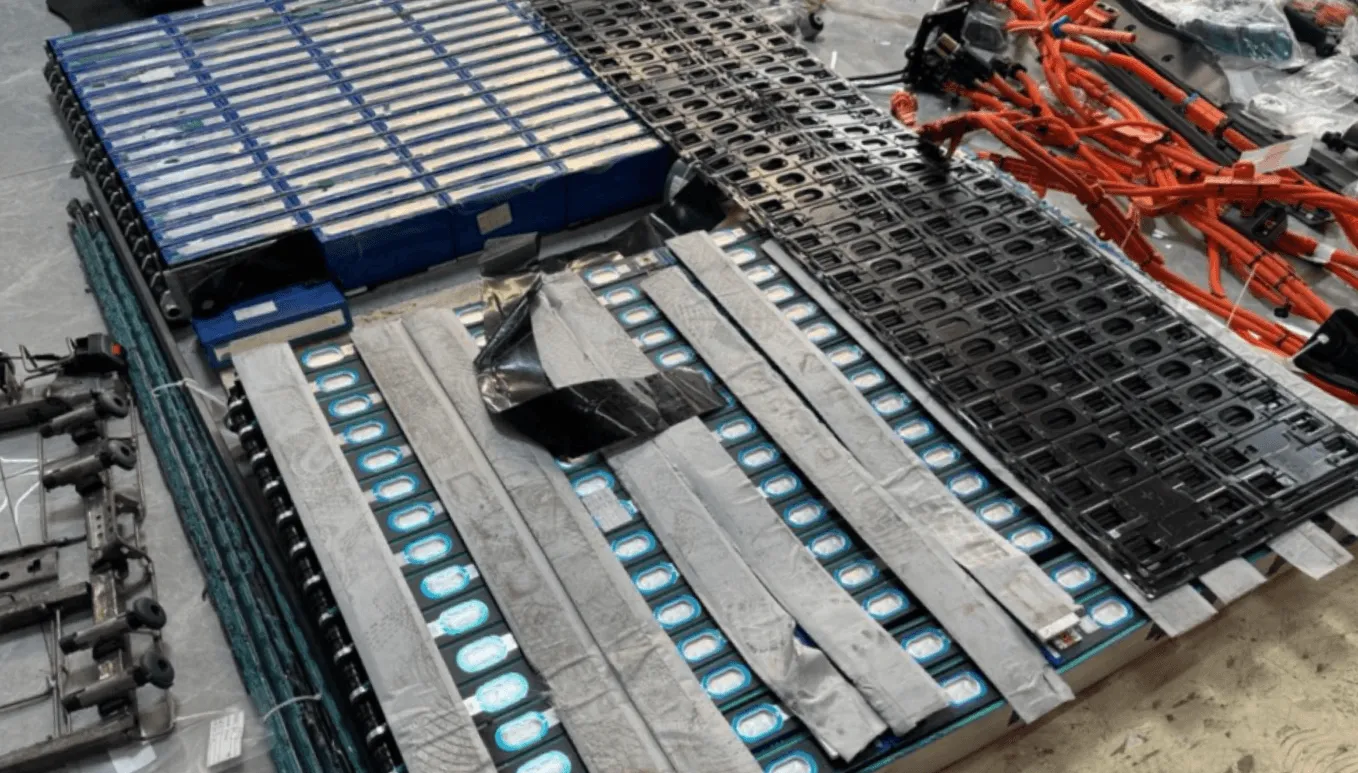
Li Auto has begun replacing CATL cells with packages based on its own design, manufactured by Sunwoda. This change will also apply to the Li 6 for Europe, which is set to debut in Paris in October, with first deliveries of the new battery planned for early November 2026.
This is a move beyond a simple supplier switch. Li Auto is taking control of the product specifications, cell materials, cell structure, and BMS. CATL is being sidelined, although as recently as April, Li Auto was one of the four largest customers of this Chinese manufacturer.
Which models are already switching to new batteries
The new cells developed by Li Auto are already in use in the L8, L6, and i8 models. Expansion to additional models is scheduled to begin in the fourth quarter of 2026.
In the electric van Mega Home, supplies of CATL’s existing three-component 5C cells are running low. New orders will now use the company’s own 5C cells, with the manufacturer expecting to deliver the first vehicles in this configuration by November.
The new i9 will initially come equipped with CATL cells. It is planned to switch to the company’s own solution once sufficient production capacity is available. Classic approach — plan first, then scale up.
For Europe, the most interesting model is the i6, which will be offered as the Li 6 here. The 2026 model year version will feature a new 5C battery and the company’s own Mach-Chip. Deliveries are also scheduled for early November.
2.65 billion yuan invested in Sunwoda and 11.17% stake acquired
At the beginning of September, Li Auto announced an investment of 2.65 billion yuan, or about $390 million, in Sunwoda EVB. With the previous indirect holdings added, Li Auto’s stake will rise to 11.17%, making it the second-largest shareholder.
The partnership between the two companies has been ongoing since 2017, but it is now entering a new phase. Sunwoda produces battery cells, while Li Auto determines product specifications and develops key components of battery technology. This mirrors Xpeng’s approach, which also sought to reduce its reliance on a major supplier.
For European customers, the implication is clear: the Li 6 will not just be another Chinese electric car imported into the EU, but a vehicle with a battery designed specifically to meet the manufacturer’s own requirements. On paper, this seems ambitious. Only the first deliveries will show whether the 5C concept becomes more than just a catchy slogan from a presentation.
If Li Auto can indeed deliver its own batteries at scale and without setbacks, it will be taking a step toward BYD rather than just becoming another assembler using third-party components. Would you buy a Chinese EV with a newly developed battery of its own design, or would you prefer proven CATL batteries?
LovEV Newsletter
Want more content like this?
Sign up — we’ll send you a weekly roundup once the newsletter starts.