
LG Energy is tempering expectations for solid-state batteries. Smartphones are expected to get them sooner than cars.
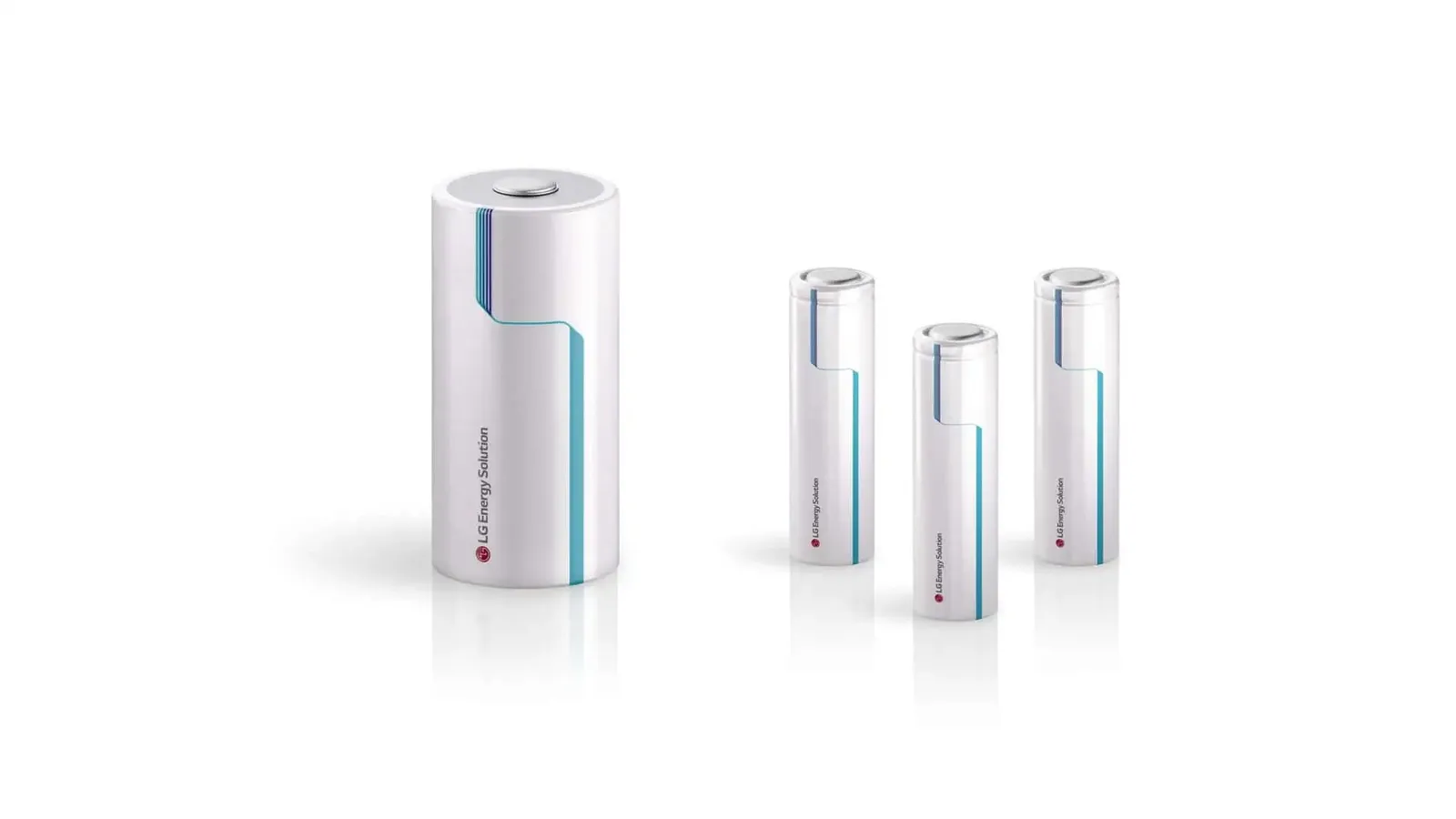
LG Energy Solution openly admits that solid-state batteries still face challenges in achieving large-scale production. At a media event at its newly opened factory in Lansing, Michigan, the company stated outright that we will see them in smartphones and drones before they appear in mass-produced electric vehicles.
"The issue with solid state is large-scale production," said Robert Lee, head of LGES in North America. He added something uncomfortable for the entire industry: "When it comes to very large formats, most companies are struggling with this."
This sets the stage well. After all, we’ve been hearing about solid-state batteries for years, usually with the implication that they’re just around the corner. Yet LG suggests the opposite: small cells are more feasible now, while large battery packs for cars remain not yet possible.
Smartphones first, maybe EVs later
LGES believes the first widespread implementations won’t appear in cars. Lee estimated that smartphones could adopt solid-state technology even a decade before electric vehicles. Niche applications such as drones or performance-oriented cars might also emerge earlier.
Prototypes already exist, and not just in laboratories. Mercedes-Benz drove almost 750 miles, or about 1,207 kilometers, on a single charge with the Factorial Energy solid-state battery in its prototype EQS last year. BMW equipped its prototype i7 with an all-solid-state battery from Solid Power. Stellantis, meanwhile, is testing a solid-state battery pack in the Dodge Charger Daytona EV.
So yes, the technology is alive. But for now, it’s more present in demonstrators than in pricing lists.
China looks interesting in this regard. BYD, CATL, Geely, and other players aim for pilot programs by 2027, with broader rollouts expected by the end of the decade. The pace is aggressive, though pilots still don’t mean production in hundreds of thousands of vehicles. This point deserves to be noted.
LG is also focusing on LMR, 46-series, and sodium
The second topic is more practical. LGES states outright that progress in EVs will still rely for a long time on improved conventional lithium-ion chemistries. The company is developing LMR cells—lithium-manganese-rich—with less nickel and cobalt and a higher manganese content, which can be processed in the U.S.
GM says that starting in 2028, such batteries will be used in the brand’s large pickup trucks and SUVs, offering a range of over 400 miles, or more than 644 kilometers, at a cost similar to that of cheaper LFP batteries. On paper, this seems more concrete today than promises of full solid-state technology.
LG is also preparing to produce new 46-series lithium-ion cells at its planned gigafactory in Arizona. The company claims that the larger format fits better with vehicles using structural batteries, and further improvements are intended to enable 10-minute charging times and enhance battery pack safety. Here too, one must wait patiently for actual charging curves rather than just promotional slides.
There’s also sodium. Devon Wilson from LGES Vertech said the company is developing a pilot program for sodium-ion batteries for energy storage. CATL is already commercializing such chemistry, and GM wants to deploy sodium batteries in ESS by the end of the decade. Not for cars, but for stationary use. And this makes sense before a major push in solid-state batteries.
So, the most honest statement so far is this: solid-electrolyte batteries haven’t disappeared, but the mass-market electric vehicle will still likely rely on refined Li-ion rather than some miracle from a conference. Who do you think will first achieve meaningful scale—CATL, BYD, Toyota, or someone from the second tier?
LovEV Newsletter
Want more content like this?
Sign up—we’ll send you a weekly summary once the newsletter starts.