
New electric cars have a problem: delivery times are soaring
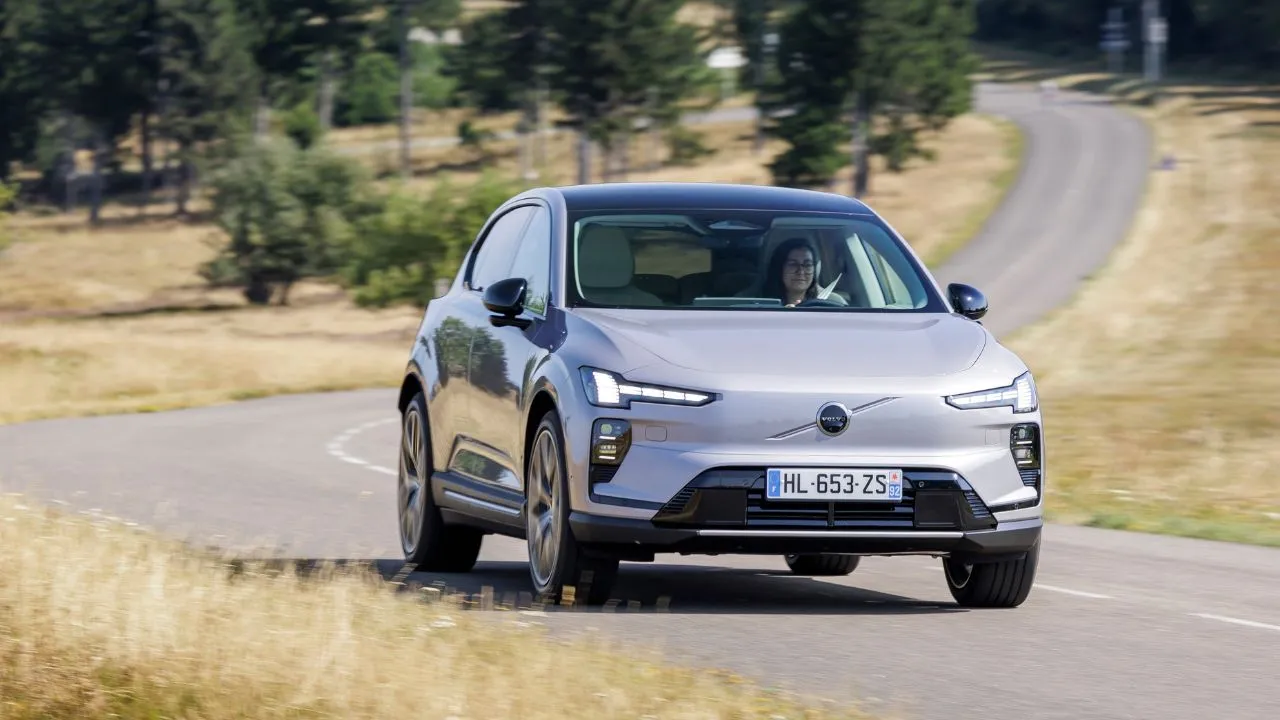
Rising sales due to soaring fuel prices, strong interest in more advanced new models, and battery shortages: electric cars are suffering from their own success, which is affecting delivery times, which can reach a year for some new models!
There’s a rush toward electric vehicles! These models keep setting market share records in French and European registrations, reaching levels that no brand could have imagined just a few months ago.
In September, electric vehicles accounted for 41.6% of new car registrations in France. By September 2025, that figure dropped to 22.4%! Since the start of the year, electric vehicles make up 31.4% of registrations in France, compared to 18.2% in 2025. In Europe, the share rose from 18.1% to 24.2%.
Sales are increasing thanks to the introduction of models that address the shortcomings associated with electric vehicles. There is now a new generation of affordable small city cars (Citroën ë-C3, Renault Twingo…), cost-effective versatile urban vehicles (Renault 5, VW ID.Polo…), as well as models with long ranges and fast charging capabilities (BMW iX3, Mercedes CLA…). This naturally expands the customer base.
R5, iX3, ID Polo: Driving Sales High
But the real catalyst is well known: the surge in fuel prices, which clearly encouraged motorists to switch to electric vehicles, which have a significant advantage in terms of usage efficiency. When a model that consumes 7 liters of fuel now costs over 14 euros to travel 100 kilometers, an electric vehicle may require only about 3 euros of electricity for the same distance.
The combination of these factors is a boon for automakers. New models are selling exceptionally well. The R5 reached 100,000 units produced in just over a year. BMW also received 100,000 orders for its iX3 in one year, marking the best sales start in the company’s history.
On the Volkswagen side, the new family of city cars, consisting of the Cupra Raval, Skoda Epiq, Volkswagen ID.Polo, and ID.Cross, is causing a sensation. Although sales only started in spring with the ID.Polo, cumulative orders for all four models in Europe have already reached 150,000. The ID.Polo has set a sales record for Volkswagen France over the past 10 years, with over 5,200 orders recorded in September alone in France.
Also read
ID.Polo: The electric city car outperforms all Volkswagen models launched in nearly 10 years
One year for a Volvo EX60!
Selling is good, delivering is better. Because it’s the other side of the coin. The enthusiasm for electric vehicles is causing delivery times to lengthen. Models that have already been launched are better able to withstand this trend, at least limiting damage, thanks to well-established production processes... which weren’t always operating at full capacity.
Thus, although the Model Y has once again become the best-selling vehicle in Europe, which has slightly increased waiting times, they remain reasonable. A Propulsion variant ordered at the end of October is expected to arrive in January or February 2027. But it’s true that in the past, one to two months were sufficient. The waiting time for an R5 or an ë-C3 will also remain reasonable.
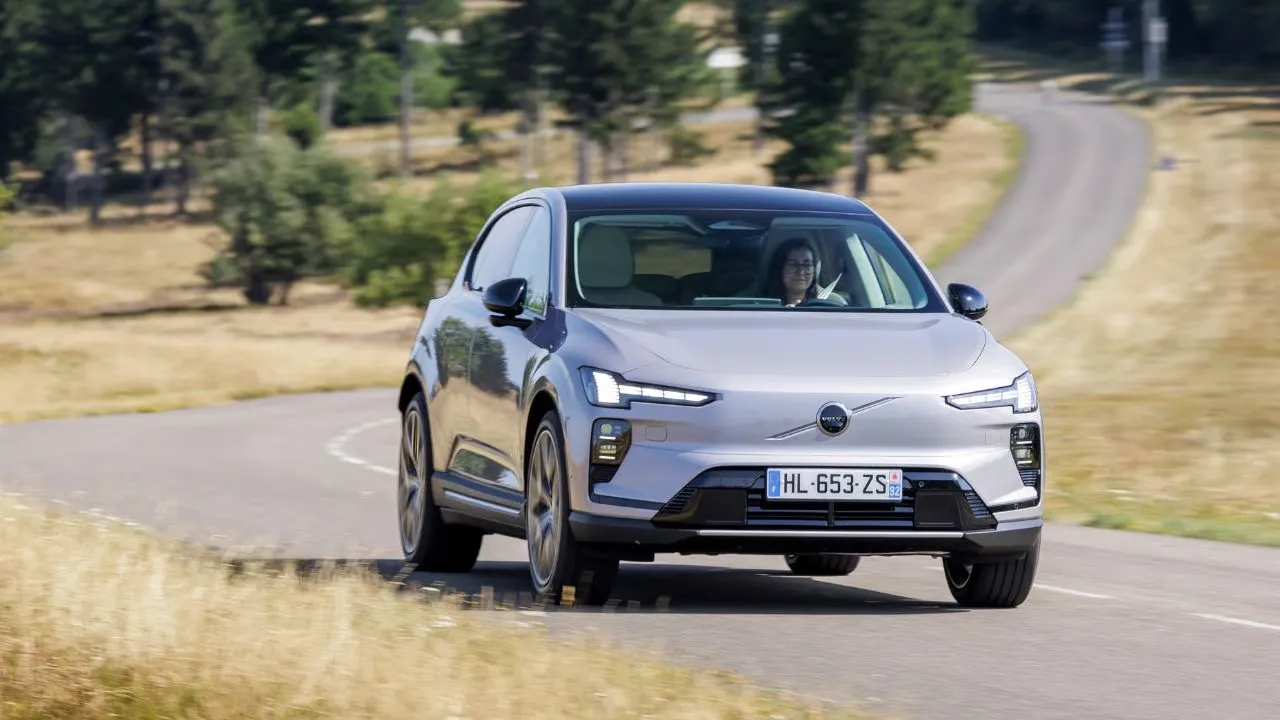
The situation becomes more complicated for new vehicles whose demand exceeds manufacturers’ expectations. Volvo is facing this issue with its EX60, to the point where delivery times are soaring. For new orders, it is now estimated at one year! This situation stems from enthusiasm for the model, which boasts an impressive 810 km range, as well as delays in starting production.
While the brand has received 50,000 orders since spring, only 5,000 units have been able to leave the production lines by mid-October. The model features significant advancements, including a new chassis and especially a new assembly method inspired by Tesla’s (giga-casting), which requires adjustments and tuning at an existing facility.
Also read
Tesla’s incredible comeback: Model Y and Model 3 are the two best-selling cars in Europe
Lack of batteries
The risk is that customers may lose patience, cancel their orders, and switch to competitors. For example, BMW has successfully launched the iX3, even in a brand-new factory in Hungary. This summer, it had already produced over 50,000 units. The factory will soon add a third shift to operate around the clock.
The main issue also relates to the heart of electric cars: their batteries. This is the element that’s causing the most problems. While automakers have space in their vehicle assembly plants, they rely on suppliers who struggle to meet demand or produce batteries.
Stellantis is thus affected by the slow ramp-up at the ACC factory in northern France, which produces the high-capacity batteries for new models, resulting in very long delivery times for these variants. On Citroën’s online store, a C5 Aircross with a 73 kWh battery is scheduled to be available starting December. For the 97 kWh version, it’s not until March 2027. The 3008 with this battery will arrive even later, in April, over six months later.
The production of the ID.Polo and Cupra Raval had to be suspended in Spain due to a lack of sufficient battery cells from PowerCo. With accumulating orders and a factory that can no longer keep up, the situation for these models could quickly deteriorate. Mercedes, on the other hand, has accelerated battery assembly at its Accumotive subsidiary, operating 3 shifts of 8 hours per day, 6 days a week, to boost production rates for its new electric models. Currently, the delivery time for the CLA and GLC is around 6 months.
While Europeans are beginning to reduce their reliance on Asian suppliers for batteries, battery production in Europe is still in its infancy and far behind the levels of industry giants.