
Electric vehicles at the Genoa Show (October 1-6)
#
At the Genoa Boat Show (October 1–6), Italian maritime industry celebrates its success: in 2025, the sector reached a new record with sales of 8.72 billion euros. This is an excellent result for this traditional industry, but it has not yet translated into tangible progress in electric boats. In Europe, the Netherlands leads in this field, thanks to more specialized shipyards and a larger range of battery-powered models. Italy also has innovative outboard motors and electric boats, but in Genoa — with its media presence and impressive figures — there is a lack of an area entirely dedicated to electric boats, where one could experience the benefits of zero-emission sailing. For now, visitors must settle for the Blue Arena and a few electric exhibitors scattered about, not yet united under a single vision.
You can try Yamaha’s newly acquired Torqeedo electric boats
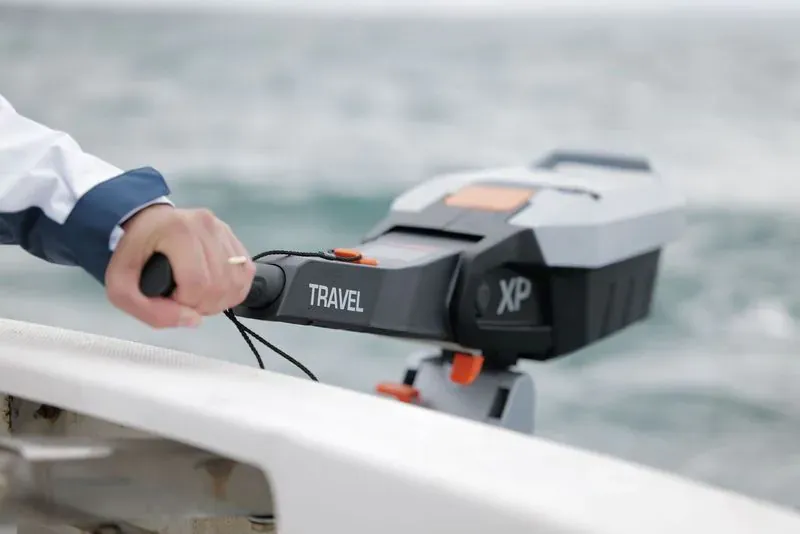
It’s not like Venice with more electric boats to try, but Yamaha’s initiative to introduce the Torqeedo range is noteworthy. “There are electric outboards designed for various types of use, with power ranging from 3 to 25 hp. The lineup includes the Travel series, with 3 to 5 hp, and the Cruise series, with 6 to 25 hp, featuring GPS and onboard computers, displays for real-time monitoring of speed, power, and range, as well as materials designed to withstand marine environments.”
As the group emphasizes: “One of the main highlights of the 2026 edition is the test area dedicated to electric propulsion. For the first time at a boat show, visitors will be able to test Torqeedo engines directly in the water. There are two configurations available: the YAM 340S with Cruise 6.0 TS 48V and the YAM 275S with Travel XP S. It’s an opportunity to experience firsthand the features and usage methods of electric propulsion applied to Yamaha tenders.”
Zefiro, Italy’s foil-equipped electric boat and Velettrica’s latest innovation
It is named Zefiro and is inspired by the next-generation boats in the America’s Cup, featuring a retractable foil system patented by the company. Its electric propulsion system includes two batteries with a capacity of 37.8 kWh each and a motor rated at 60 kW. The boat has a length of 9.70 meters, a width of 3.80 meters when the foils are active and 5.45 meters when they are retracted. The draft with the foils active is 0.70 meters, while it is 1.46 meters with the foils retracted and at zero speed.
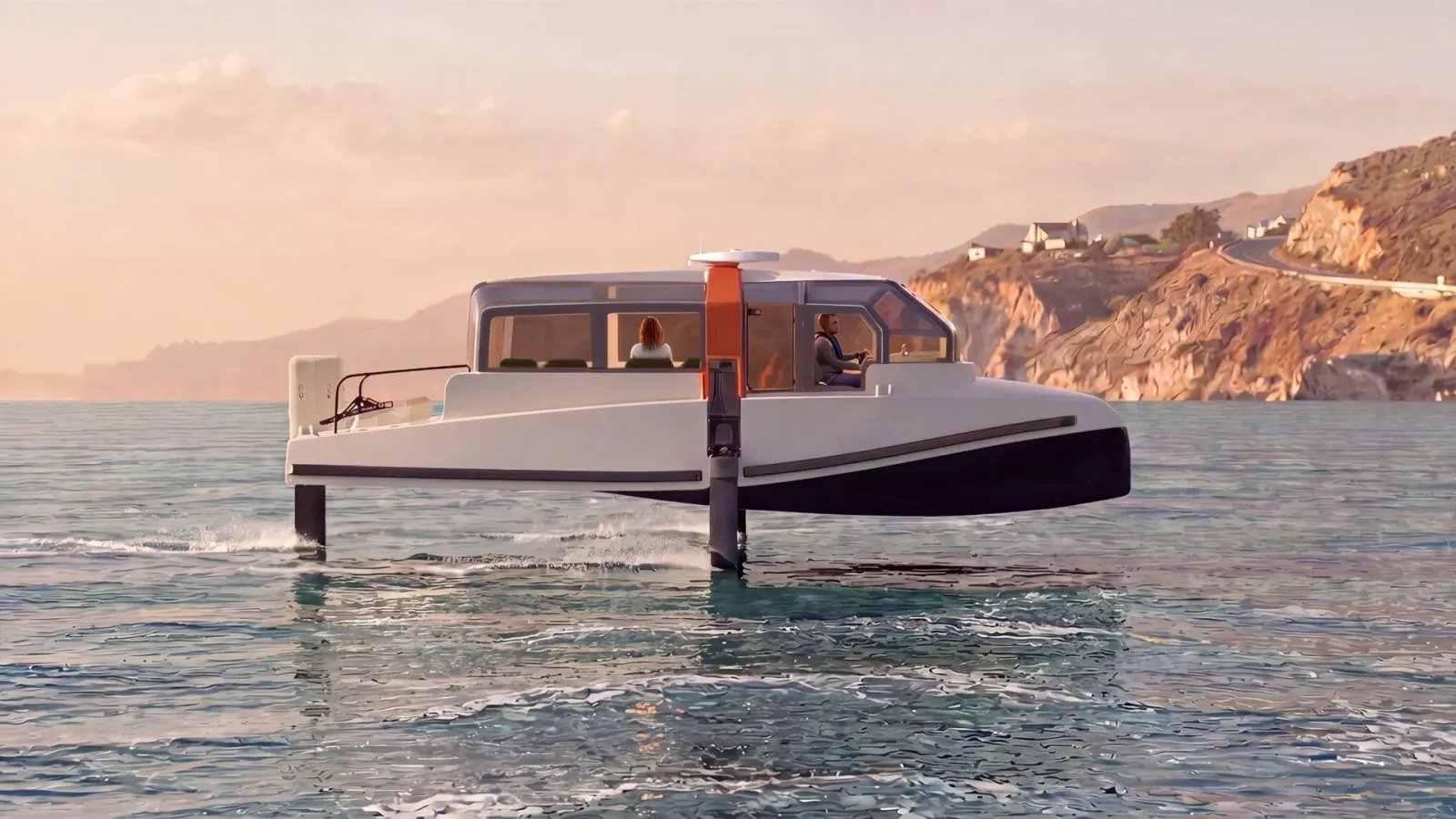
The launch speed is 11 knots, the cruising speed is 20 knots, and the top speed is 28 knots. The range at half load at cruising speed is 70 nautical miles. There is still much to discover about it.
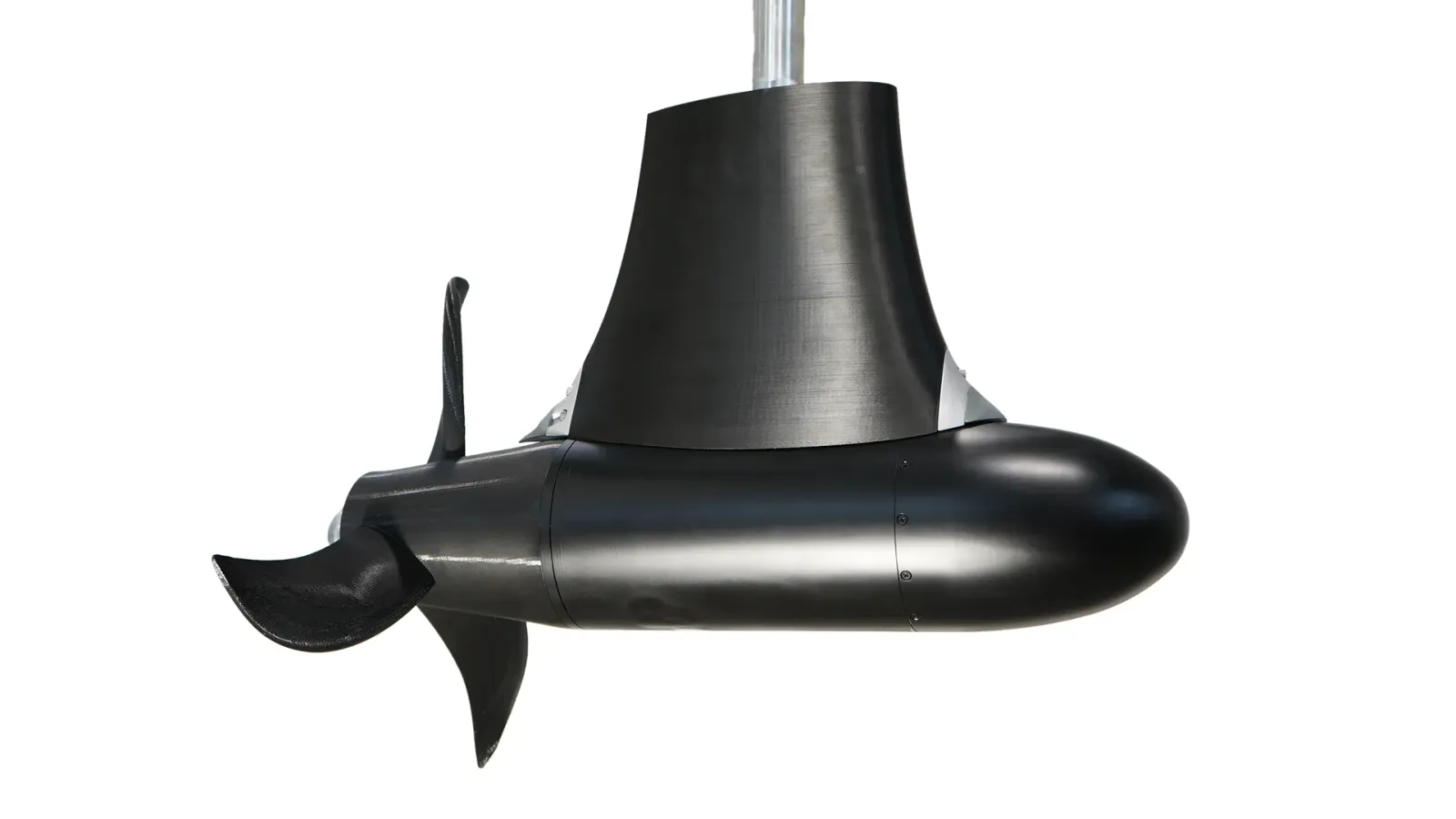
In Genoa, another update we’ve already announced: Velettrica has introduced the new Drive‑Pod‑16, an electric motor designed for port maneuvers and coastal navigation, which can be configured in hybrid mode when needed. The most natural setup uses wind power—the electric motor assists the boat even with gentle breezes; for more demanding cruises, the generator ensures significant range.
AS Labruna’s New Developments
AS Labruna, a finalist in our Awards, will be represented in Genova with two booths in Power Village, the new Blue Power platform nominated for the Design Innovation Award, and the debut of the hybrid Power 300 system.
In Japan, 81 million invested in electric ships, low-emission vessels, and port charging stations
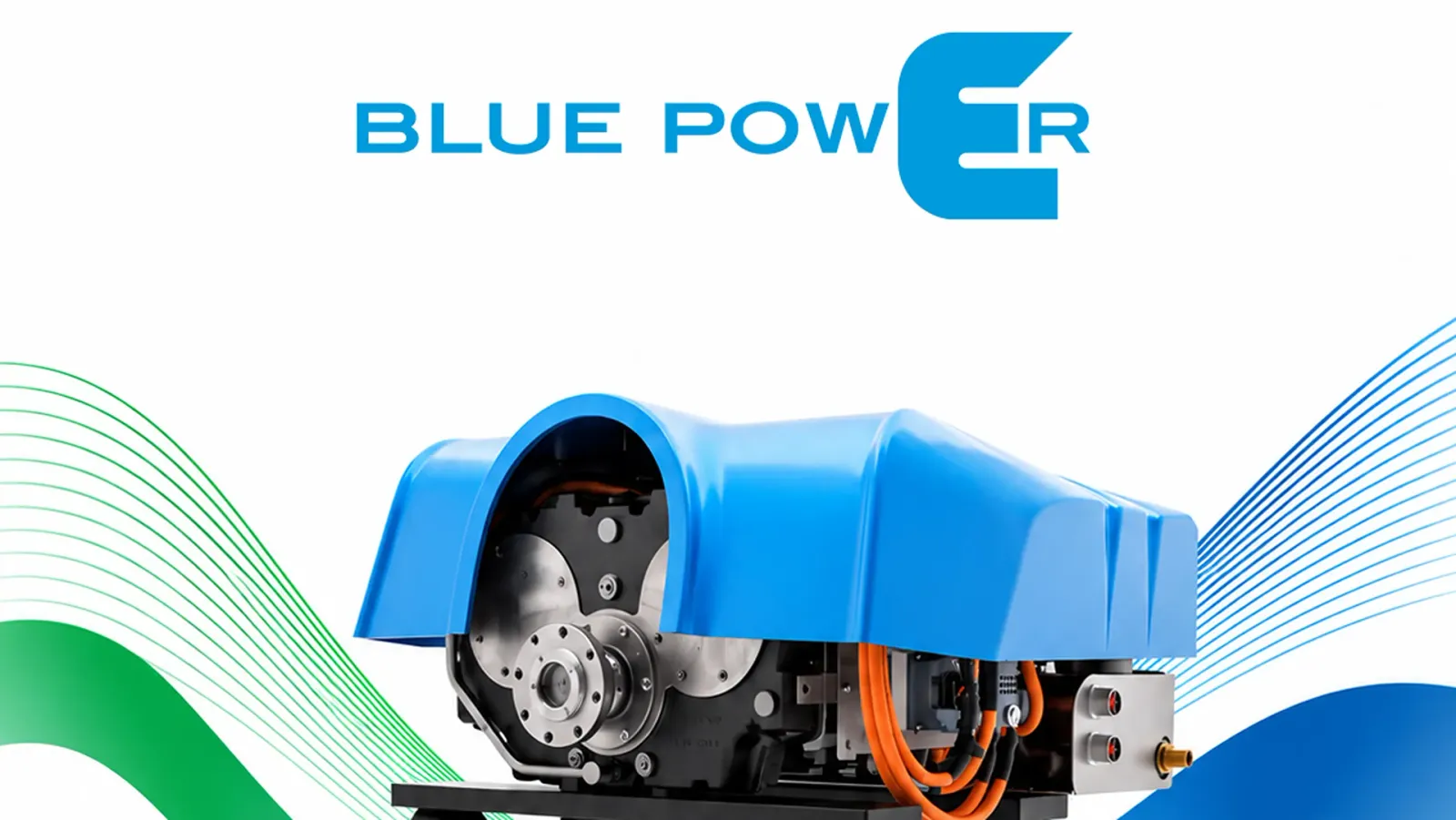
Blue Power makes its debut at the exhibition as the Full Electric & Hybrid marine propulsion platform joining AS Labruna’s technological ecosystem. It is a solution designed with a modular and scalable architecture, available in 50, 100, 200, and 400 kW configurations, intended to fit different vessels and allow shipbuilders to create the energy system tailored to the vessel’s actual operational needs. Blue Power can be configured for full electric applications or, thanks to integration with variable-speed generation systems, for hybrid and range extender architectures.
Genoa will also be the stage for the debut of the Power 300, a new diesel-electric hybrid marine solution developed by AS Labruna. The system combines a VM 706 LX RCD II, six 4.2-liter in-line cylinders producing 257 kW (350 HP), with an electric motor delivering 25 kW (about 35 HP).
The Power 300 operates in several modes: Full Electric for zero-local-emission navigation; Diesel; Recharge & Generator, where the diesel engine charges the batteries and powers onboard systems; Work and Recharge, allowing simultaneous propulsion and charging; and Booster, in which the electric motor provides additional torque and power to the diesel engine. The system includes a 15 kWh Li-NMC battery pack.
READ ALSO: Those excluded from charging station subsidies speak out, furious — watch VIDEO
Previous Article
102,000 electric cars already sold in 2026
