
Leapmotor has started producing the electric SUV B10 in Spain, with the B05 model planned to follow.
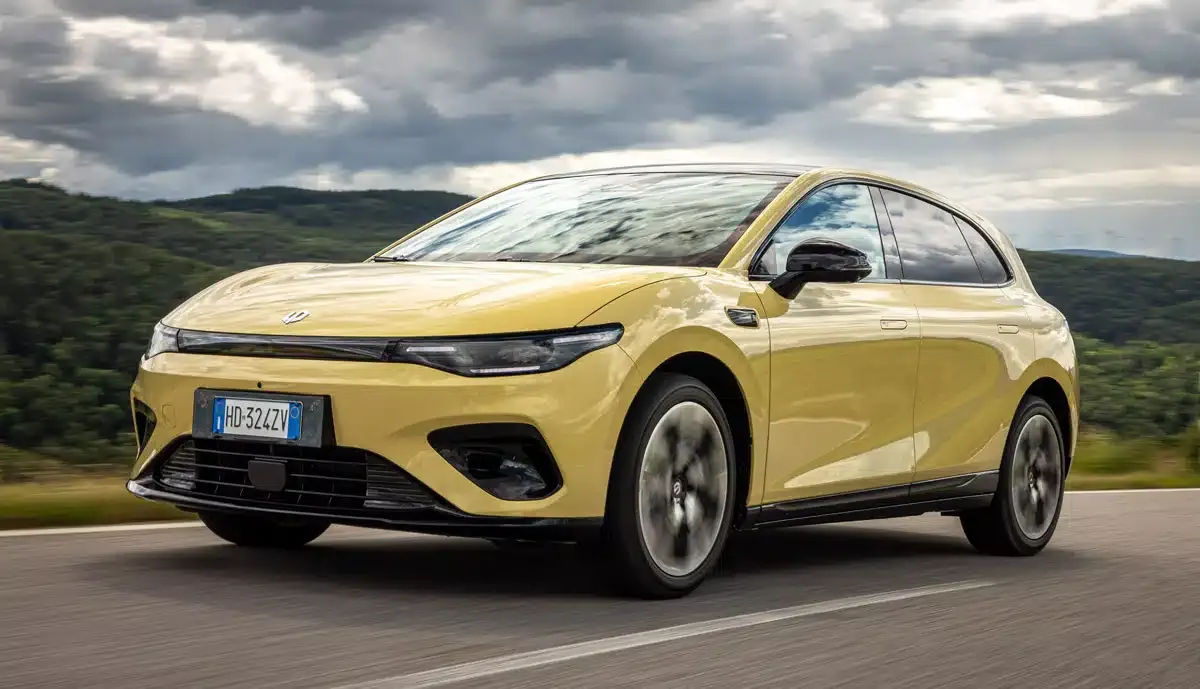
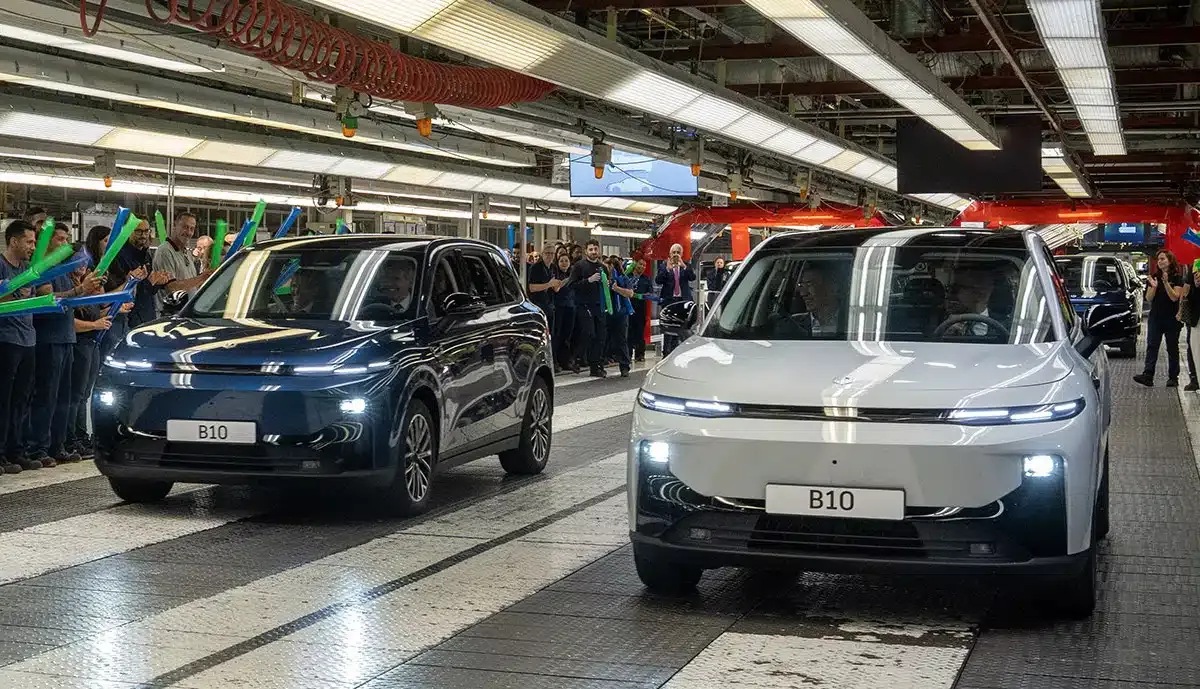
Image: Stellantis
Stellantis and Chinese electric vehicle manufacturer Leapmotor have officially begun production of the Leapmotor B10 at their facility in Figueruelas near Saragossa, Spain. Meanwhile, Leapmotor confirmed that a second electric vehicle model, the B05, will also be manufactured at this site. European production is part of the partnership between the two companies, which now includes manufacturing in addition to vehicle distribution outside China.
The Stellantis plant in Figueruelas already produces the Opel Corsa, Peugeot 208, and Lancia Ypsilon. According to the company, this location was chosen due to its existing manufacturing capacity, industrial expertise, and production quality. The production of the B10 takes place as part of a partnership with Leapmotor International, the joint venture controlled by Stellantis for the international operations of the Chinese brand. Stellantis also holds a roughly 20 percent stake in Leapmotor.
The B10 is a 4.51-meter-long, all-electric mid-size SUV with a power output of 160 kW (218 hp). For the German market, the manufacturer specifies battery capacities of 56.2 and 67.1 kWh, which are said to enable WLTP ranges of 361 and 434 kilometers respectively. The maximum DC charging power is 140 or 168 kW depending on the battery version. Leapmotor claims that charging from 30 to 80 percent takes 16 or 17 minutes under appropriate conditions.
In Germany, the B10 is already available. On its German website, Leapmotor currently lists an entry price of 30,400 euros. Manufacturing within the European Union also holds significance from a trade policy perspective. Since October 2024, the EU has imposed additional compensation tariffs on battery electric vehicles originating from China, with the amount varying depending on the manufacturer. European production can avoid these vehicle-specific import duties as long as the applicable rules of origin are met.
The B05 is also manufactured in Spain
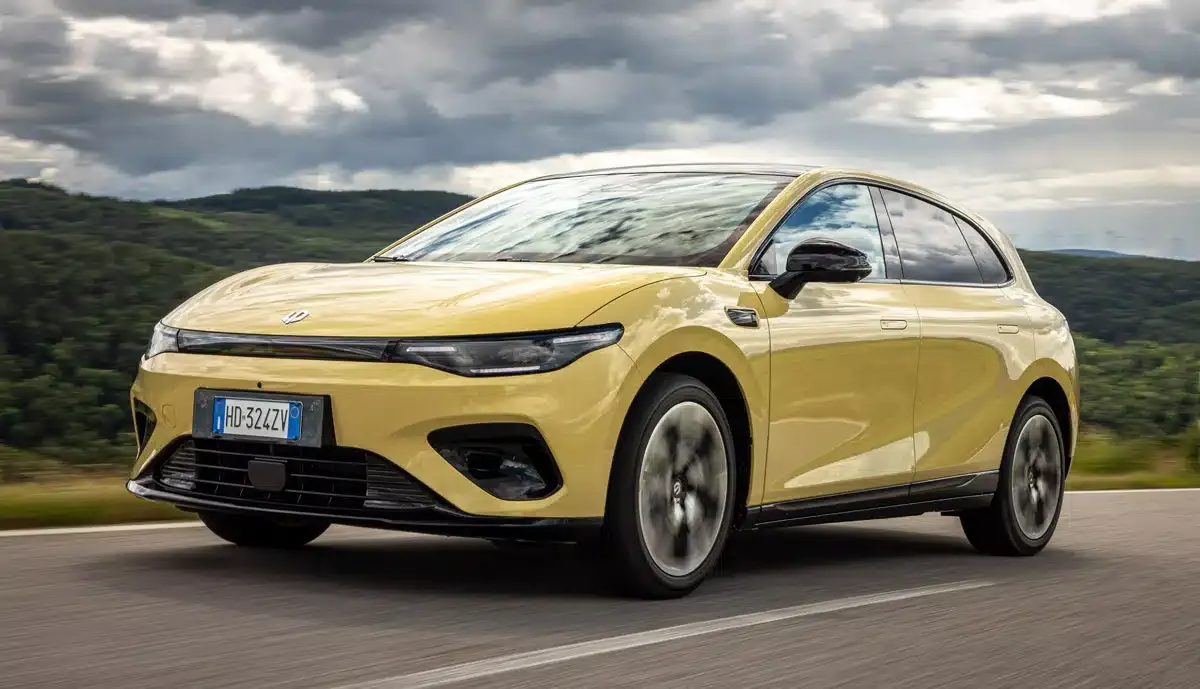
The B05 is intended to expand European manufacturing to a second model line. As Leapmotor announced shortly after the start of B10 production, this compact car is scheduled as the next model for the Saragossa plant. Leapmotor International CEO Danilo Annese had previously announced that production would begin in the first quarter of 2027. According to the company, manufacturing additional models will help expand European production capacity and bring vehicles closer to their markets.
The new B05 is promoted by the Chinese as the brand’s first sports electric car. This 4.43-meter-long compact vehicle, with 160 kW (218 HP) of power and a range of up to 482 kilometers, has been available for ordering in Germany since May, starting at a list price of 27,900 euros. Its fast charging capability of up to 168 kW allows the battery to be charged from 30% to 80% in about 17 minutes.
"The planned production of the Leapmotor B05 in Zaragoza is another significant step on our journey into Europe," said Annese. Introducing a second model underscores the strategic importance of this location for the brand’s industrial development. Leapmotor aims to combine its own technology and product development with Stellantis’ existing manufacturing infrastructure, suppliers, and production expertise. According to the company, local manufacturing is intended to become a permanent part of its international growth strategy in the long term.
In addition, other Leapmotor models are also being considered for European production. Stellantis and Leapmotor are also exploring a jointly developed electric SUV for Opel, with production in Zaragoza potentially starting in 2028.
"The transition to electric mobility must also be an industrial transformation. If our partnership represents this strategy, then Saragossa is proof that we can combine global technology, competitiveness, and European industrial capabilities," said Silvia Vernetti from Stellantis. Leapmotor founder and president Jiangming Zhu also emphasized Europe’s strategic importance and the advantages of producing closer to European markets.
Also interesting
About the author
Thomas Langenbucher is an expert in electric mobility with experience in the automotive and financial industries. Since 2011, he has been covering electric vehicles, sustainable technologies, and mobility solutions for ecomento.de. Learn more.
Reader interactions