
Leapmotor wants to eliminate the battery that causes the most failures in electric cars
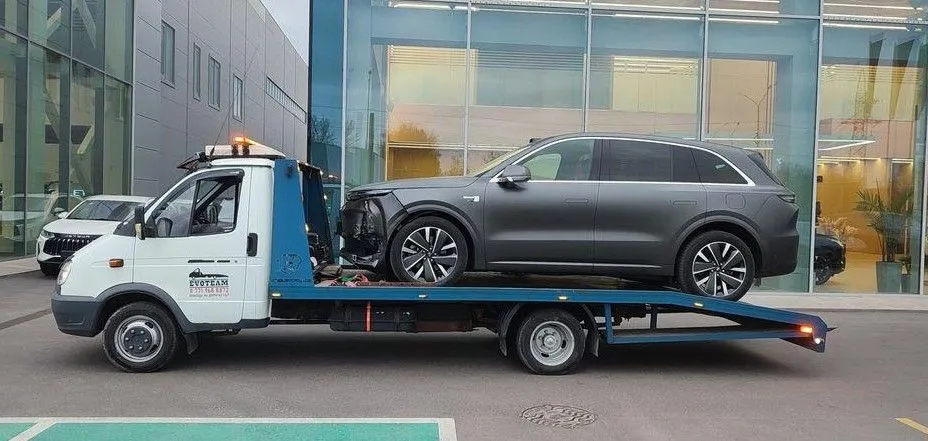
When it comes to malfunctions in electric cars, the battery is often one of the components that worries drivers the most. However, the reality is quite different. High-voltage batteries have proven to be more durable than many expected when electric cars first became popular, while a much smaller and well-known component has been causing problems in diesel and gasoline vehicles for decades: the 12-volt auxiliary battery.
ADAC, Germany’s automotive club that provides millions of roadside assistance calls each year, once again identified the auxiliary battery as the leading cause of breakdowns in its 2025 statistics. 45.4% of the assistance calls were related to a dead or faulty battery, surpassing any other group of components. In the case of electric vehicles, the organization notes that the 12-volt battery remains a common source of problems.
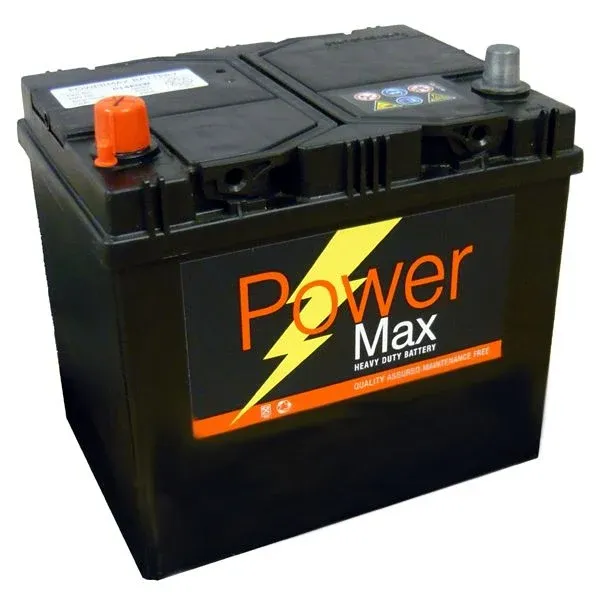
The paradox is that electric cars need this small battery just as much as those with internal combustion engines. It powers a large portion of the vehicle’s electrical systems, from lights and wipers to screens, safety systems, and various climate control components. Additionally, it is necessary to activate certain systems that allow connection to and use of the main high-voltage battery.
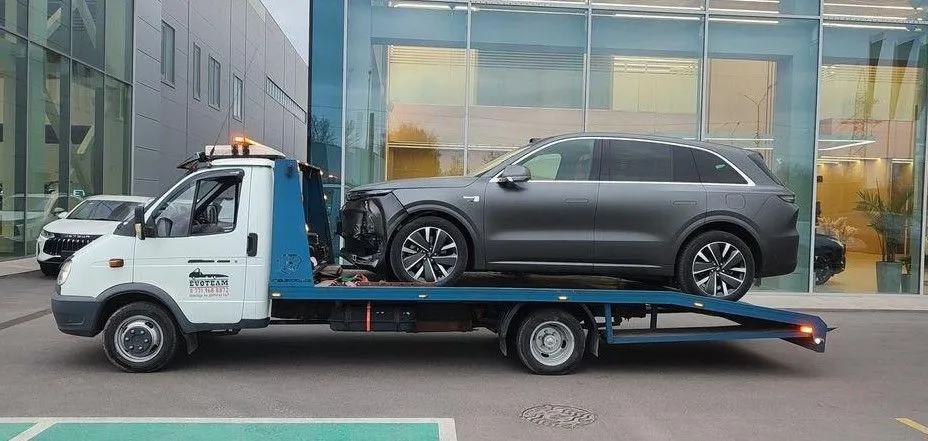
Therefore, even though the traction battery is fully charged, a depleted 12-volt battery can leave an electric car immobile. This situation is particularly surprising to those who assume that having hundreds of kilometers of range means the vehicle can operate normally. In reality, both types of batteries have served very different functions so far.
Leapmotor aims to change this by introducing a technology it unveiled during its Tech Day 2026 held in China. The brand, partnered with Stellantis for its international expansion, has introduced the new CTC 3.0 High-Low Fusion Battery, an advancement in its battery integration system into the chassis that allows the same system to handle both high-voltage and low-voltage functions.
The key lies in eliminating the need to install a separate auxiliary battery. According to Leapmotor, the new generation increases the capacity and functions available at low voltage by seven times compared to its previous technology, reaching a level sufficient to replace traditional 12-volt batteries. High and low voltage systems are thus integrated into a single electrical system.
Leapmotor explains that high-voltage and low-voltage systems use the same cells and modules, as well as sharing thermal management and energy distribution. The company believes this allows for a complete reconstruction of the vehicle’s electrical power system and eliminates one of the components that most frequently need replacement over a car’s lifetime.
The change is not just a matter of reliability. Most of the 12-volt auxiliary batteries currently in use are lead-acid and need to be replaced after a few years. Leapmotor estimates that widespread adoption of its technology could prevent the use of tens of millions of lead-acid batteries each year, reducing the waste associated with these components as well.
The brand also claims that its new solution is designed to operate without maintenance throughout the vehicle’s lifetime, eliminating the need to replace the auxiliary battery periodically. In theory, this would reduce both maintenance costs and one of the most common causes of vehicle downtime in electric cars.
There is another interesting detail about this technology. CTC 3.0 is part of a much broader approach that Leapmotor will use in its upcoming models. The company has also introduced the LEAP 5.0 architecture, designed to make better use of available space and simplify the vehicle’s structure. The first models based on this new architecture are expected to arrive by 2027.
By integrating modules directly into the chassis and enabling the system to handle both high and low voltage, Leapmotor aims to eliminate a component that has been part of automotive electrical architectures for over 70 years.
The idea is interesting, but the most important part remains: proving it works over many years. One thing is to present an architecture capable of eliminating the auxiliary battery on paper, but something entirely different is to verify its performance after hundreds of thousands of kilometers, long periods of inactivity, and all kinds of weather conditions.
In that sense, we will have to wait for the first production models equipped with CTC 3.0 to see if this solution delivers on its promises. Eliminating an auxiliary battery means removing a component prone to failure, but it also means concentrating more functions within a much more complex system. It will be the actual use of Leapmotor’s electric vehicles that will determine how much of an advancement this architecture represents in terms of reliability.
Source | Stellantis