
Leapmotor has already circumvented the tariffs imposed on Chinese electric vehicles
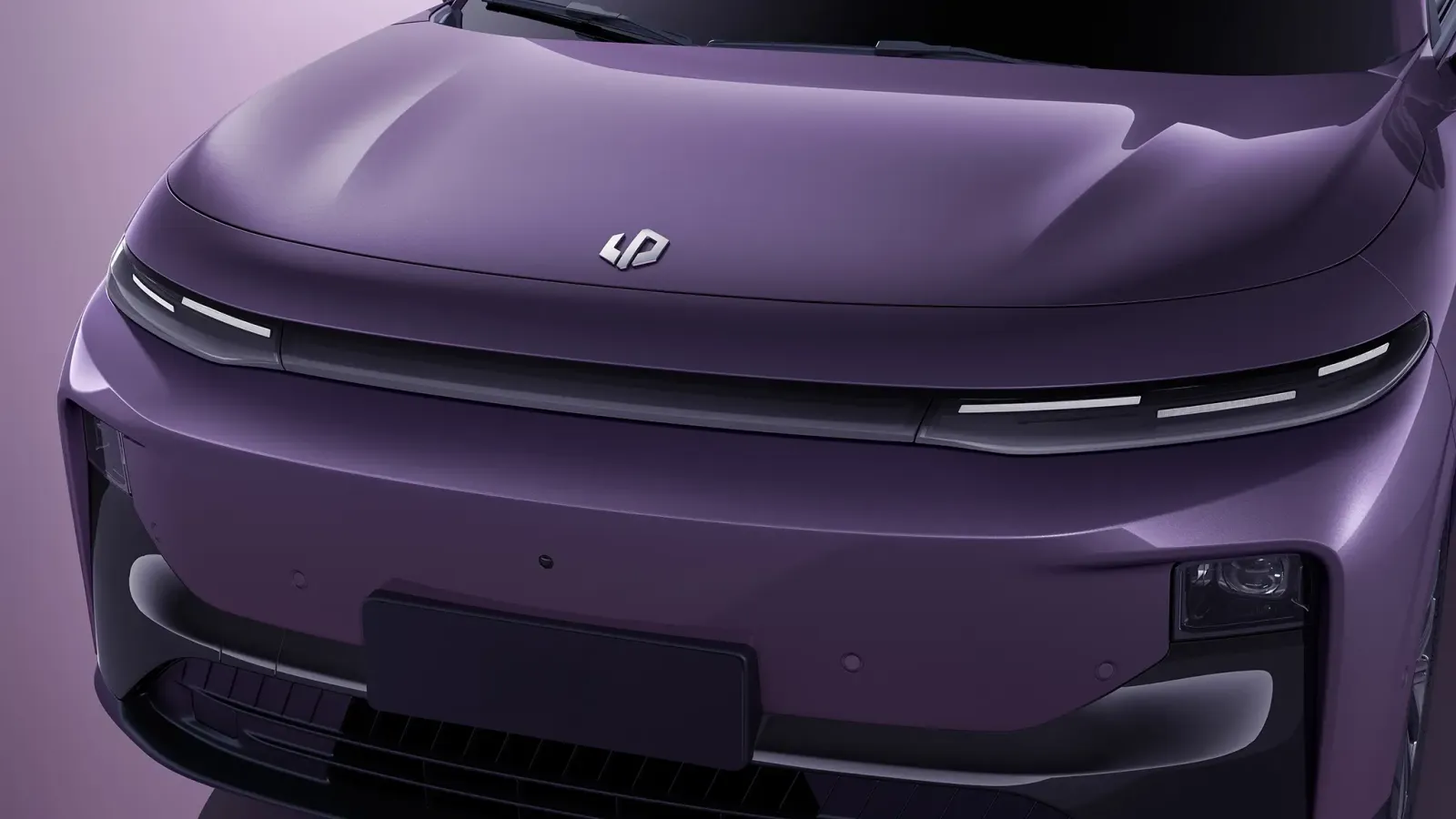
Leapmotor has begun pre-production of the B10 in Europe to avoid the 30.7% tariffs imposed by the European Union.
This is not new news; for several months now, there have been reports of Leapmotor’s intention to start producing the B10 in Europe, specifically at Stellantis’ factory in Zaragoza. This month marked the start of pre-production for this compact SUV at the European facility.
A way to avoid tariffs
Keep in mind that by producing the B10 in Europe, Leapmotor is able to avoid the 20.7% tariffs imposed by the European Union (on top of the existing 10%) on electric vehicles manufactured in China and imported into the bloc later. However, simply producing in Europe is not enough.
For customs purposes, merely assembling a car is not sufficient on its own to give it European origin. The processes carried out within European territory must be deemed adequate to change the product’s origin.
In the case of the B10, Leapmotor carries out operations such as stamping, welding, and painting in Zaragoza, which involve industrial transformation and value creation on the continent, in accordance with the rules of origin set out in the Union Customs Code (Regulation (EU) No. 952/2013).
It is precisely this difference that separates local production from the simple assembly of vehicles sent from China in pre-assembled kits (CKD/SKD). When the operations carried out in Europe are not considered sufficient to confer European origin, the car may continue to be treated, for customs purposes, as a product of Chinese origin, subject to the rules applicable to imports from China (Article 34 of Delegated Regulation 2015/2446).
In the case of Chinese electric vehicles, the additional tax varies depending on the manufacturer. For some makers, combined with the usual 10% customs duty, the total tax rate can reach up to 45.3%.
The price may change
Avoiding the 30.7% tariff does not mean that the B10 produced in Europe will automatically become cheaper. Leapmotor has yet to decide whether to pass on the savings to its pricing tables.
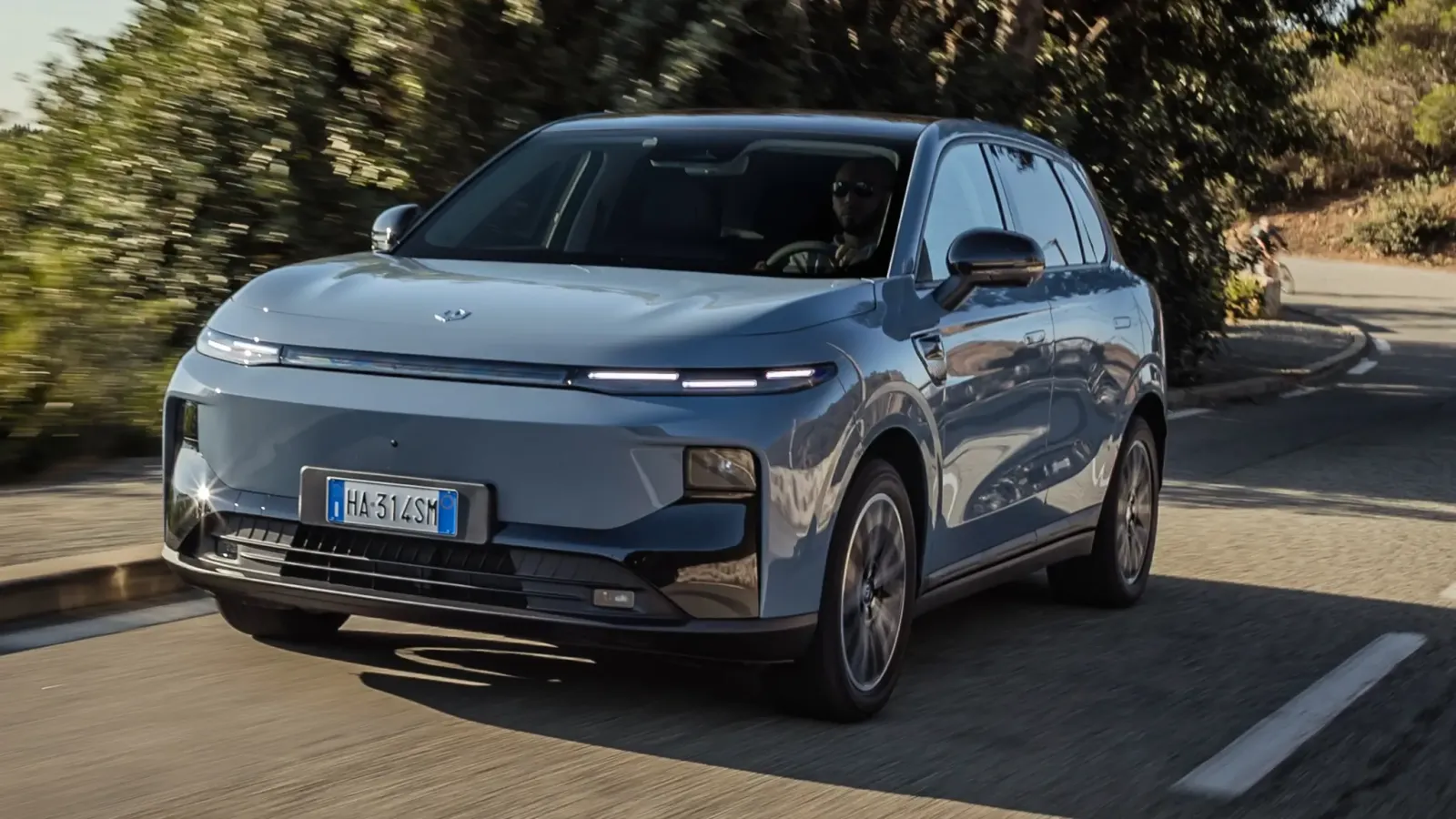
According to Annese, transportation costs between China and Europe have increased by more than 50% since the start of the conflict in the Middle East, altering the assumptions originally used to set prices.
European production gives Leapmotor some leeway to reduce exposure to tariffs, but it doesn’t necessarily mean an immediate price cut for customers. In Portugal, the B10 is available starting at 29,285 euros.
It’s worth noting that the brand is growing rapidly in Europe. From January to July, Leapmotor sold 65,193 vehicles on the continent, which is a 508% increase compared to the same period last year, according to DataForce data.