
Renault’s boss has a problem with the Nissan Micra and wants that to change
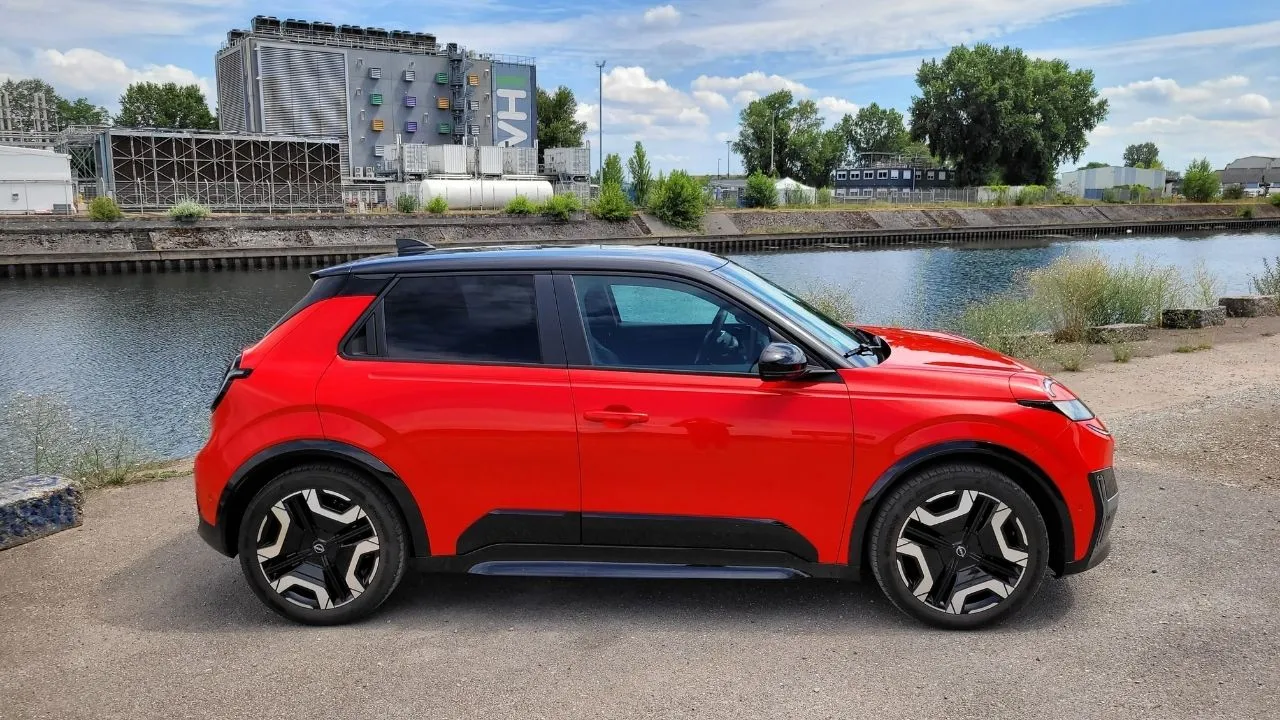
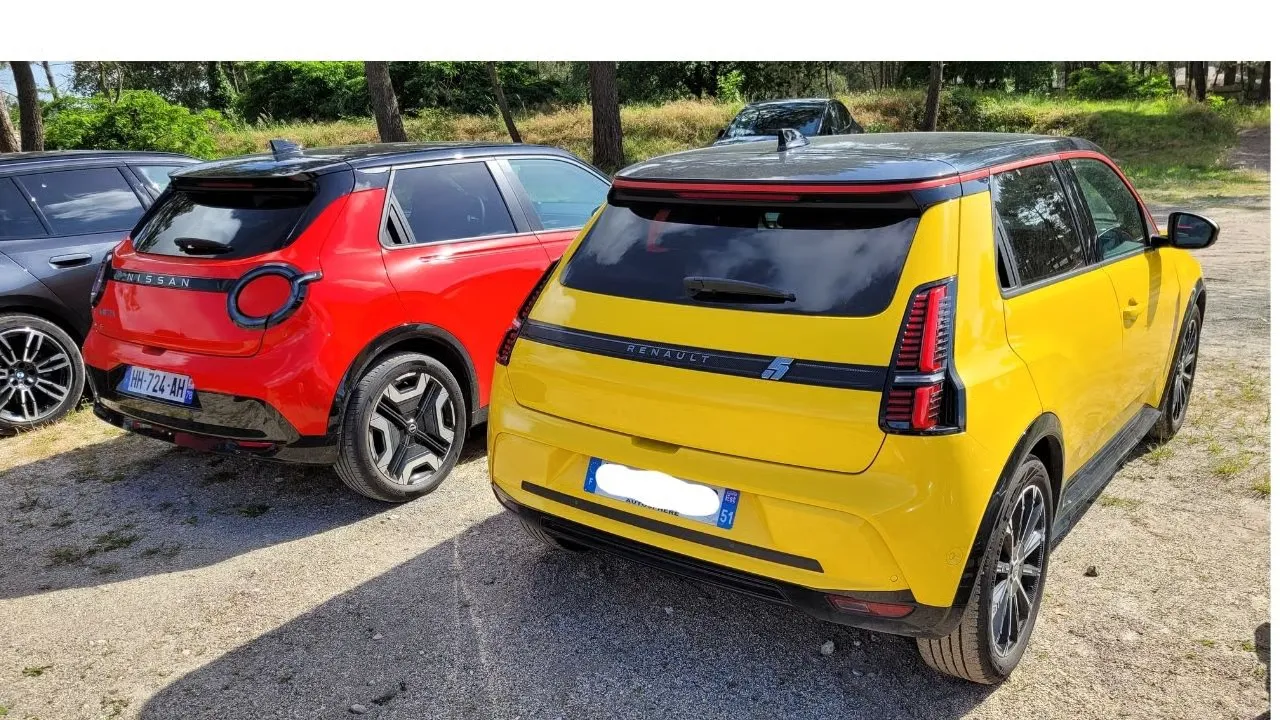
It seems that Renault’s new CEO does not agree with all of the decisions made by his predecessor. At the 2026 World Motor Show, François Provost admitted that the group made a mistake by allowing certain partner manufacturers to develop models too similar to its own. The electric Nissan Micra, which bears a strong resemblance to the R5, is particularly targeted. François Provost intends to prevent this situation from happening again.
For several years now, Renault has been forming numerous partnerships with other automobile manufacturers. Behind this approach lies the same goal: to share the costs of developing and producing electric cars. However, this strategy also has its limitations. François Provost believes that the group has not been demanding enough on one crucial aspect: differentiating between models.
Is the Nissan Micra too similar to the Renault 5?
The best example is likely the new Nissan Micra. This electric city car uses the same platform as the famous Renault 5 electric vehicle. Both cars share their engines, batteries, and much of their equipment. They are even manufactured in the same factory in Douai.
Also read
Electric cars: Renault teams up with EDF to reduce French people’s electricity bills through V2G
While Nissan made changes to several exterior elements, there are many similarities, especially inside the vehicle... where almost nothing has changed. This closeness clearly doesn’t sit well with François Provost. Questioned by Autocar at the Mondial de l’Auto, the executive admitted that Renault “did not demand enough differentiation” from its partners. According to the British media outlet, some executives within the group were even surprised by the lack of changes to the Micra. What can be said then about the new Pixo, derived from the Twingo!
François Provost wants to change the rules of the game
The new Renault boss is pursuing a break from the policy implemented under Luca de Meo. “It’s a change compared to my predecessor,” he said. Going forward, he no longer wants to enter partnerships without ensuring that the models developed will have a sufficiently distinct identity.
This new approach particularly affects Ford and Mitsubishi, with whom Renault is working on future electric vehicles. François Provost also mentioned his discussions with Ford CEO Jim Farley, who shares his vision. For Farley, a car developed on a Renault platform must first and foremost look like a Ford.
What are the consequences?
This requirement could however come at a cost. The more different the models are, the higher development and production expenses may become. The key challenge will therefore be to retain the economic advantages of shared platforms without giving the impression of marketing the same car multiple times.
François Provost now prefers to focus on long-term strategic collaborations rather than pursuing numerous short-term agreements. This shift in philosophy should be reflected in the upcoming versions of the Renault 5 and electric Twingo. We will thus see if this desire for differentiation truly translates into future models. After all, sharing a platform is one thing, but convincing drivers that they are buying two different cars is another.