
Volkswagen’s Chinese partner takes another step toward revolutionizing batteries
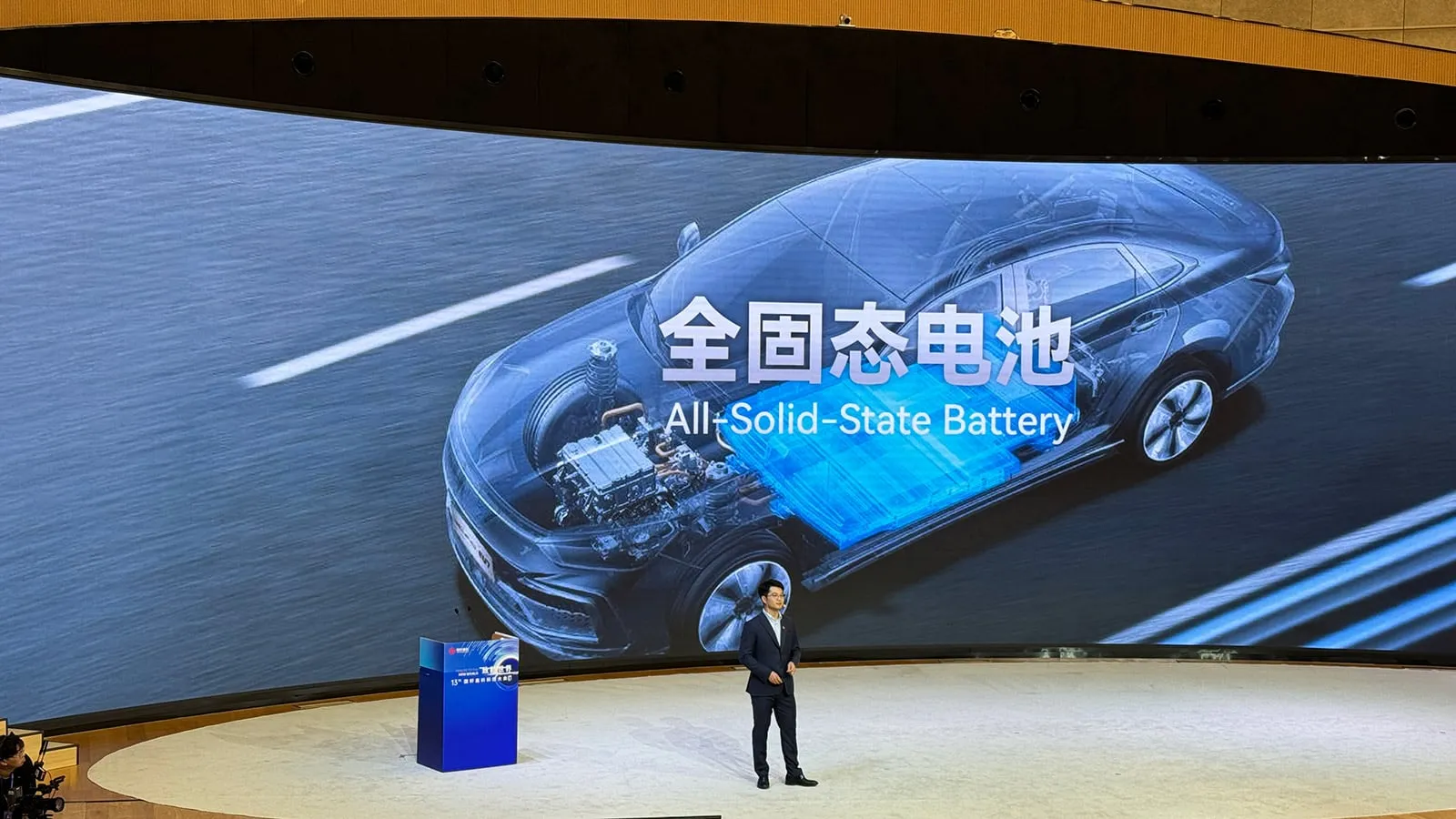
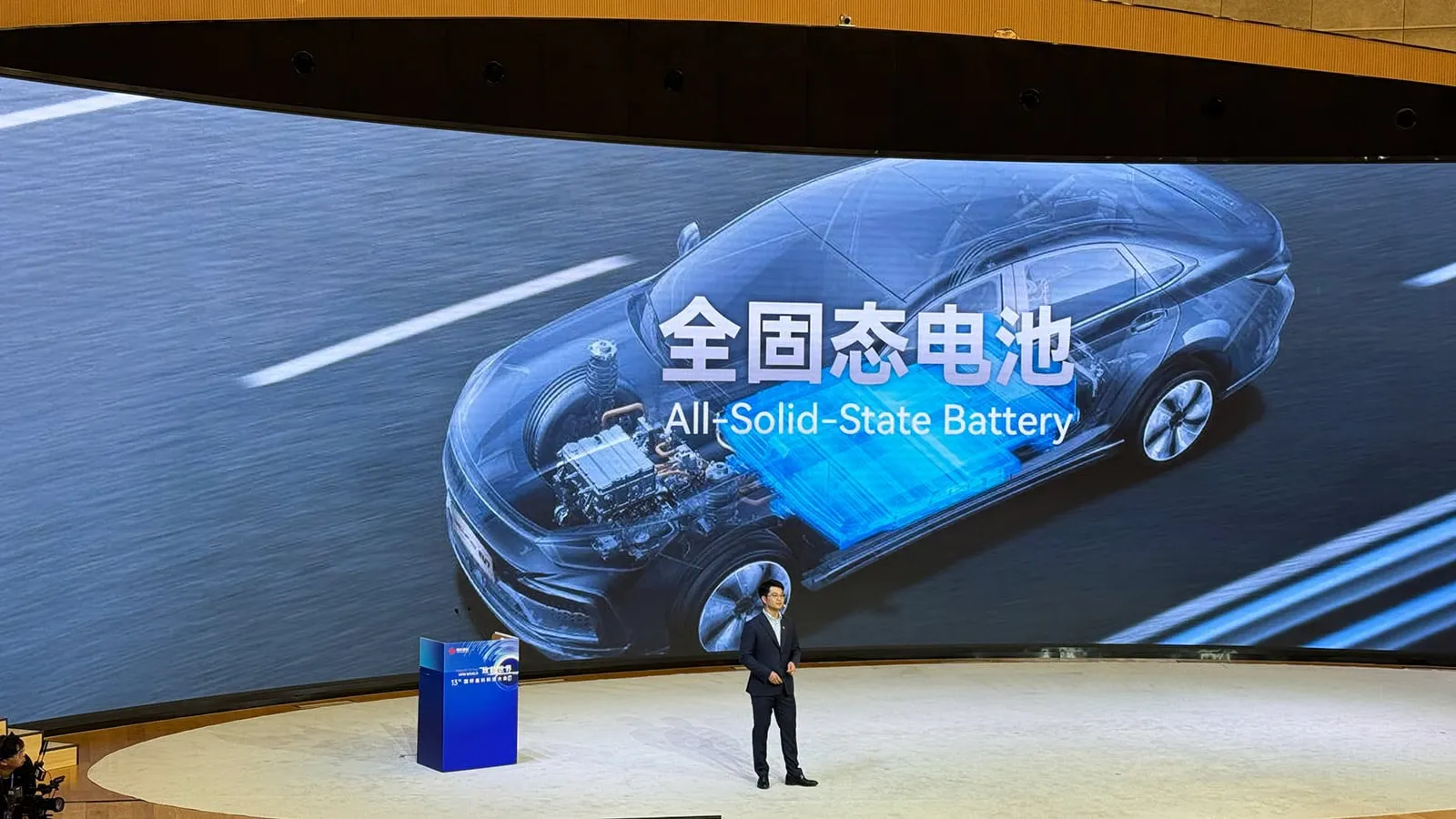
Solid-state batteries are gradually moving closer to becoming standard in electric vehicles. Gotion, Volkswagen’s strategic partner, claims to have made new progress with its Jinshi technology. The Chinese manufacturer now reports an energy density of 400 Wh/kg and aims for a cost of around 1 yuan per Wh, which is approximately 130 euros per kWh. These are promising figures!
Announcements about solid-state batteries are increasing, but few technologies have yet made it out of the laboratory stage. Gotion aims to overcome this hurdle. As Volkswagen’s long-term partner, this Chinese manufacturer is working on its Jinshi battery and is now placing greater emphasis on its industrialization.
An energy density of 400 Wh/kg
The most impressive figure relates to energy density. Gotion claims to have surpassed 400 Wh/kg with its all-solid Jinshi battery, which uses a solid electrolyte based on sulfides. For comparison, the company had previously stated that this technology achieved only 350 Wh/kg. This represents a significant advancement.
Also read
Rising fuel prices: diesel for the rich, electricity for the rest?
A density of this level could enable storing more energy within the same mass. For electric vehicles, manufacturers might choose to either increase range or reduce the size and weight of the battery pack. However, it’s important to note that the 400 Wh/kg figure refers to the cells alone, not a complete battery installed in a vehicle.
Gotion also claims to have subjected its cells to several particularly rigorous safety tests. Tests including penetration, high temperature, crushing, external short circuit, and overload were conducted. The manufacturer emphasizes that no fires occurred during these tests.
Gotion aims mainly to reduce costs
It should be noted, however, that it is not performance issues that pose problems in the solid battery sector. Rather, their high price remains one of the main obstacles to widespread adoption. Gotion aims to usher in a new era with a goal of 1 yuan per Wh, which is equivalent to 130 euros per kWh.
It remains expensive compared to LFP cells currently produced in China, but reaching this level would already be a significant step forward for this technology. Gotion is working on its own processes for producing lithium sulfide to reduce costs. The company claims to have tripled the efficiency of this step.
Volkswagen is certainly paying close attention
These advancements are of great interest to Volkswagen. The German automaker has been collaborating with Gotion since 2020 and is also one of its strategic investors. The two companies have recently strengthened their cooperation in LFP battery production across Europe, with joint projects in Spain, Slovakia, and Morocco.
Well, we need to be realistic... There’s no evidence at this stage to suggest that this solid-state battery will soon equip a Volkswagen Group model. Gotion still needs to turn its technical capabilities into a product that can be manufactured on a large scale. And it is precisely here that the real battle for solid-state batteries will be fought.
