
Will the new “made in Europe” batteries make electric cars more expensive?
Producing batteries in Europe to reduce dependence on the East is one of the main goals of the European Union’s industrial policy, but there is a significant challenge: manufacturing cells on the Old Continent currently costs considerably more than in Asia. This means that if Brussels pushes manufacturers to use locally produced components, the cost could be passed on to car owners as well.
The issue was raised by Bruegel, one of Europe’s leading economic research centers based in Brussels, which conducted a study showing that using “Made in EU” cells could result in an additional cost of approximately 2,100 euros per electric car produced. This is a far from negligible amount, especially for the cheaper models, where a few thousand euros can make the difference between a competitive price and one that is unmarketable. This is particularly true when facing China, whose main advantage lies in keeping prices low.
Where does the extra cost come from?
The calculation is based on a difference in production costs themselves. According to Bruegel’s analysis, cells purchased on the international market can cost around 50 euros per kWh, while those produced in Europe would cost approximately 85 euros. A difference of 35 euros per kWh means that for a 60 kWh battery, the average additional cost is exactly 2,100 euros, while for a small urban vehicle with batteries between 30 and 40 kWh, the additional cost still exceeds 1,000 euros.
But why? The answer comes from the European Commission, which on March 4, 2026, introduced the Industrial Accelerator Act, a legislative proposal aimed at strengthening industrial production within the Union and reducing dependence on imports in sectors deemed strategic. This includes the automotive industry, with particular focus on the development of electric mobility.
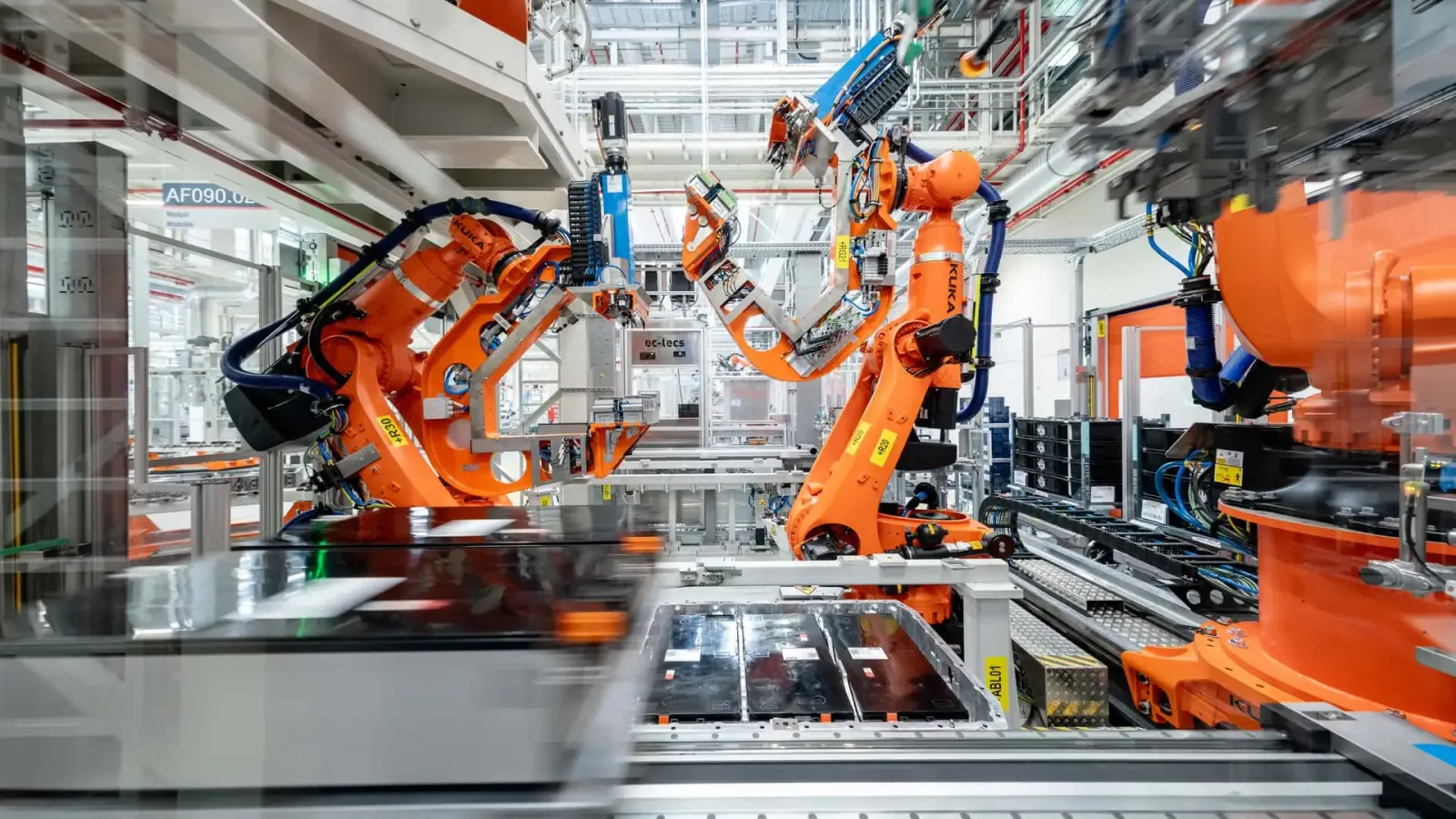
MAN Norimberga, the battery production site for electric trucks
Photo by: MAN Truck & Bus
The measure, which is still a proposal rather than actual regulation, introduces criteria regarding the European origin of products linked to certain forms of public support, government purchases, and incentive mechanisms. For the vehicles involved, it requires final assembly within the EU and, depending on the case, requirements related to the origin of components; in particular, for batteries, there is a minimum threshold of at least three main components of European origin, including the cells. In a subsequent phase, the requirements would become stricter, requiring at least five components, including the active materials of the cathode and the battery management system.
However, in the impact assessment of the Industrial Accelerator Act, the European Commission itself acknowledges that in 2023 the average European production costs for batteries were almost 50% higher than those in China, and this was considering the same basic chemistry.
The paradox of affordable electric cars
The industrial goal is understandable; batteries are one of the most expensive components in electric cars, and their production is concentrated mainly in Asia. Relying on imports exposes countries to price fluctuations, trade tensions, and potential supply disruptions. Therefore, establishing a European supply chain would help reduce these risks, create jobs, and keep a larger share of the industrial value within the Union.
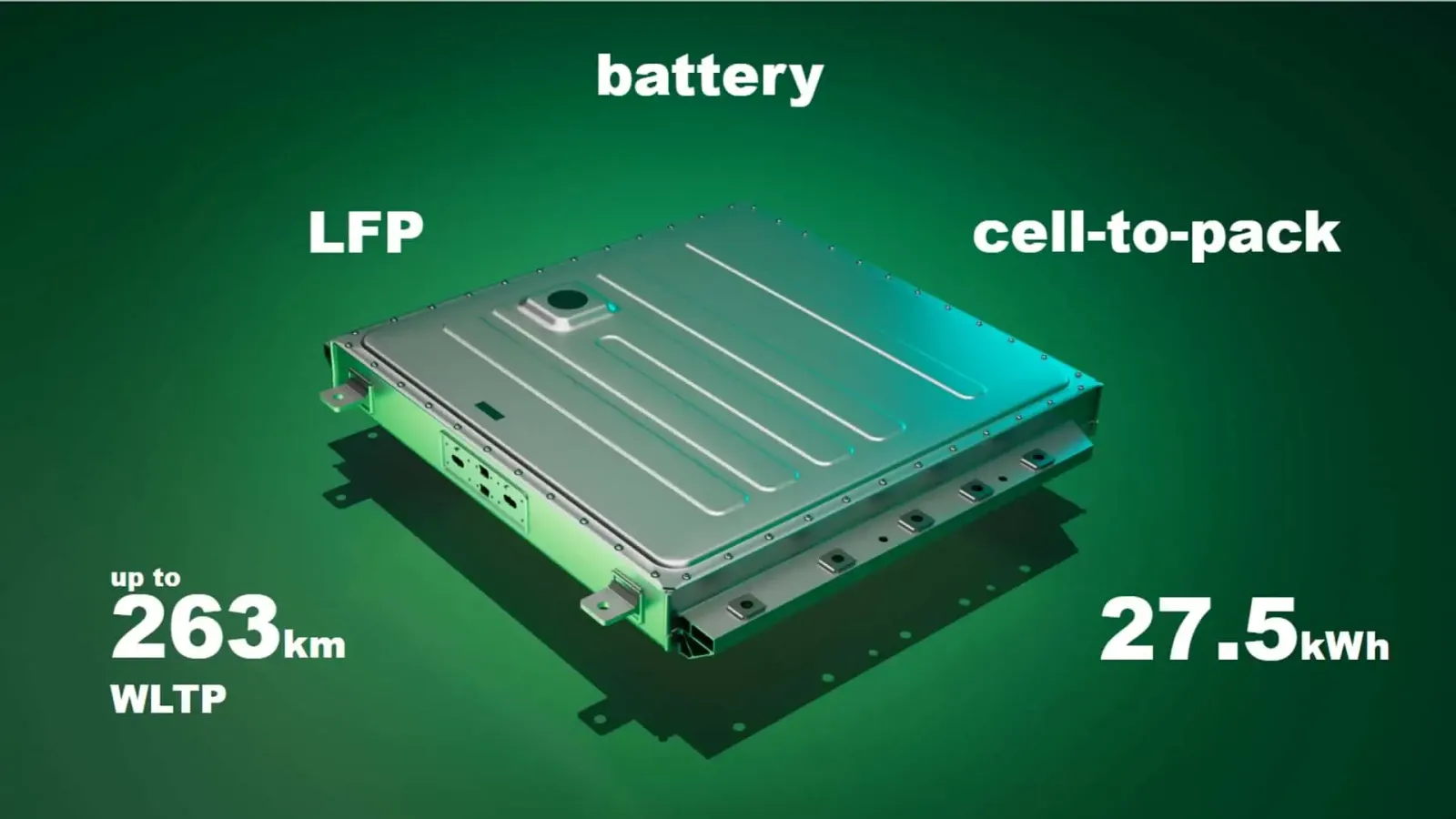
The battery pack of the Renault Twingo E-Tech Elettrica (2026)
Photo by: Renault
Developing such a supply chain requires investment, production capacity, and time. In the meantime, automakers must navigate a market where purchase price remains one of the main barriers to the adoption of electric vehicles. The risk is thus creating a paradox: making the technology intended for widespread adoption more expensive at a time when the industry is striving to offer increasingly affordable electric models.
How to narrow the gap
Brussels’ efforts are not focused solely on local production requirements: in June 2026, the Commission officially established the Battery Booster Facility, a tool that mobilizes up to 1.5 billion euros to support European cell manufacturers through interest-free loans.
The goal is to help companies overcome the most costly phase of setting up and expanding factories, reaching production volumes sufficient to compete with major international players through economies of scale. Innovation, automation, and increased volumes have the potential to significantly reduce Europe’s higher costs.
The issue, therefore, is not necessarily choosing between European batteries and affordable electric cars, but understanding how long it will take for the former to help make the latter competitive, and who will cover the costs of this industrial transition.
“Made in Europe” batteries: what is holding back development?
Photo gallery: MAN Nuremberg’s production of batteries for electric trucks