
Canada is backing away from electric cars to save its auto industry
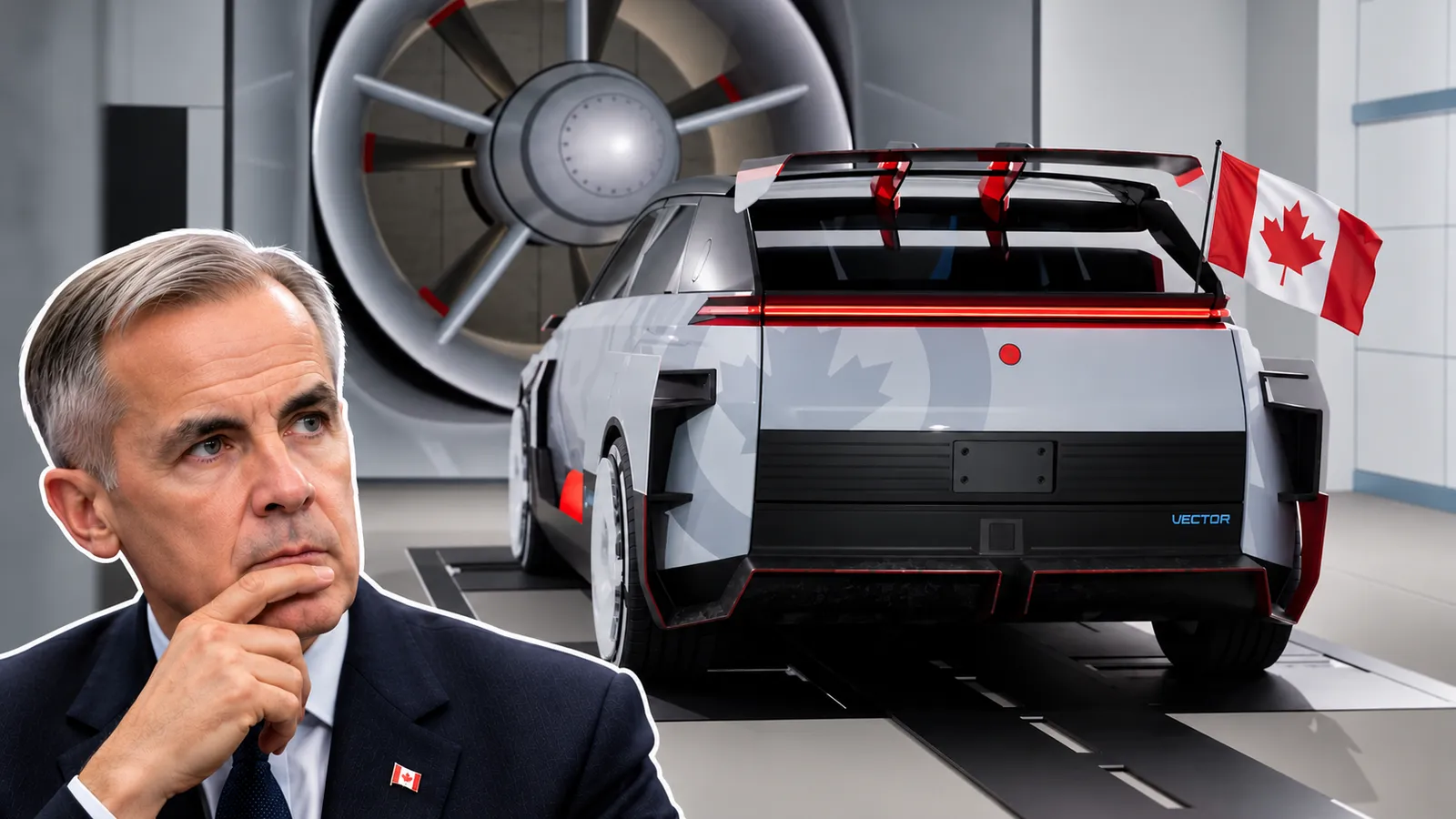
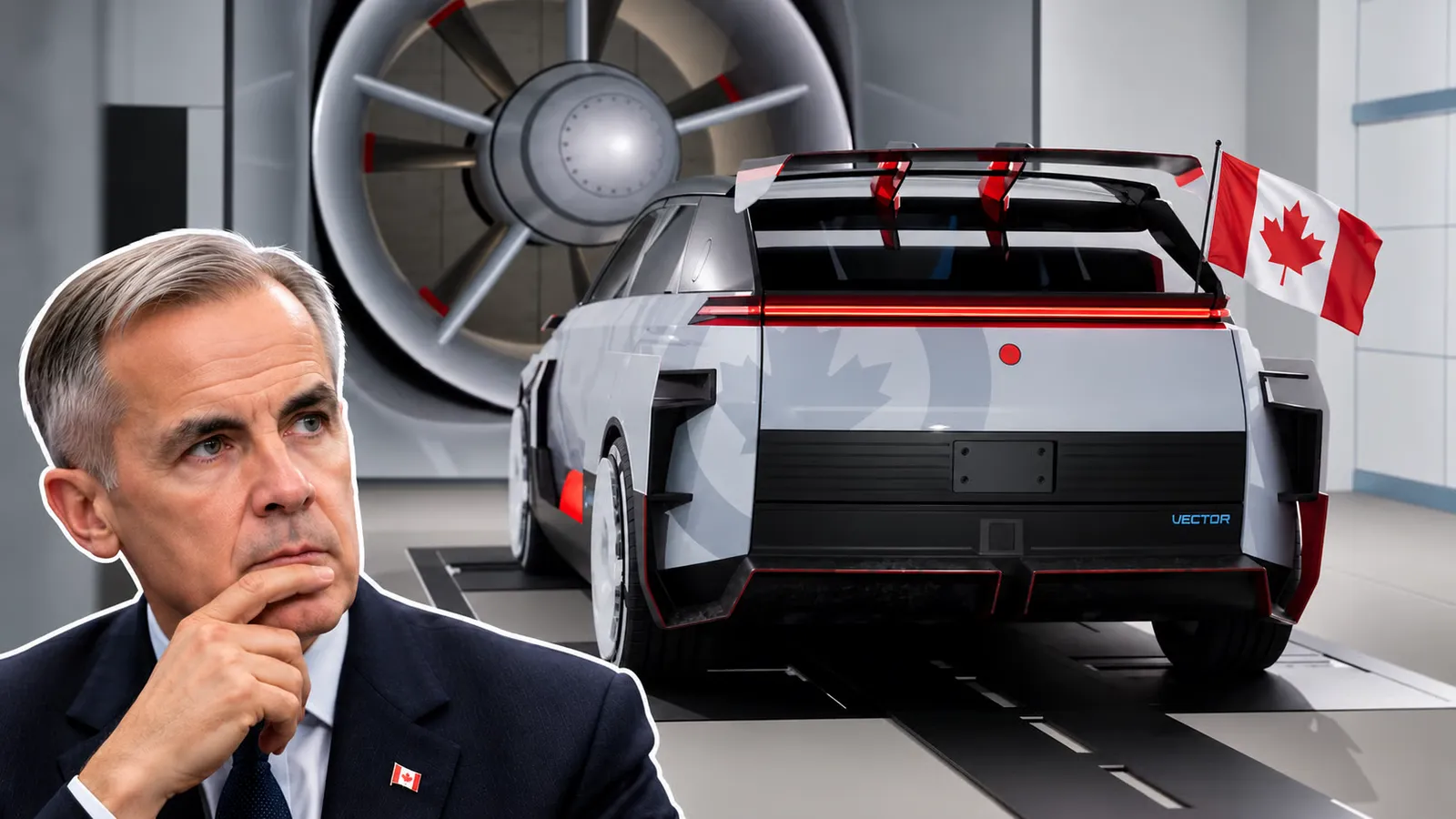
Canada has just made a decision that could complicate its transition to electric vehicles. To support the auto industry weakened by trade tensions with the United States, Mark Carney’s government has chosen to freeze new vehicle CO2 emission standards until 2029.
Canada keeps revising its goals for electric mobility. After abandoning mandatory quotas for zero-emission vehicle sales, Mark Carney’s government has now announced a new measure that should please automakers but much less environmental advocates.
CO2 standards frozen for three years
On October 21, 2026, the Canadian federal government and the province of Ontario announced a series of measures aimed at supporting the automotive industry. Among them was an important decision: the CO2 emission standards applicable to passenger cars and light trucks will remain unchanged until 2029, inclusive.
Also read
The electric vehicle industry could become a real job creator in Europe
Specifically, manufacturers will need to meet an average of 107 g of CO2/km for their light vehicle fleets, which is the target set for 2026. The gradual tightening of requirements will not begin until models from 2030 onward. As a result, brands will have three additional years before they need to make further efforts.
This decision comes at a time when Canada has already revised its strategy in February. The government had removed the mandatory quotas on electric vehicle sales established during Justin Trudeau’s tenure. However, the country still maintains a goal of 75% electric vehicle sales by 2035, without making it a commercial requirement.
A decision directly linked to Donald Trump
This shift is largely explained by the trade tensions with the United States. Since Donald Trump returned to the White House, Canada’s automotive industry has suffered under new U.S. tariffs.
Despite their recent political disagreements, the two countries maintain very close industrial ties. Some automotive parts cross their border as many as eight times before a vehicle is finally assembled. According to Mark Carney, Canadian auto exports to the United States have declined by more than 10%.
To mitigate the damage, Ottawa and Ontario have also announced additional investments of 2.5 billion Canadian dollars, or about 1.6 billion euros, over two years. These funds are intended to modernize factories and prepare for the production of electric and connected vehicles.
A goal that becomes increasingly difficult to achieve
If automakers welcome this relaxation, environmental organizations are far less enthusiastic. Clean Energy Canada believes that this pause could undermine investments in charging infrastructure and slow down the adoption of electric vehicles.
The Pembina Institute is even more pessimistic. The organization argues that maintaining the goal of 75% electric sales by 2035 becomes particularly difficult with this new timeline. The reason is that the average emissions per fleet must drop from around 107 to 46 g/km by 2035. By pushing efforts to 2030, Canada is concentrating much of the transition effort over a much shorter period.
The government claims it will not give up on electrification. But it is unclear how Canada can achieve its 2035 goal under such conditions.