
Electric cars help gasoline cars: the British paradox
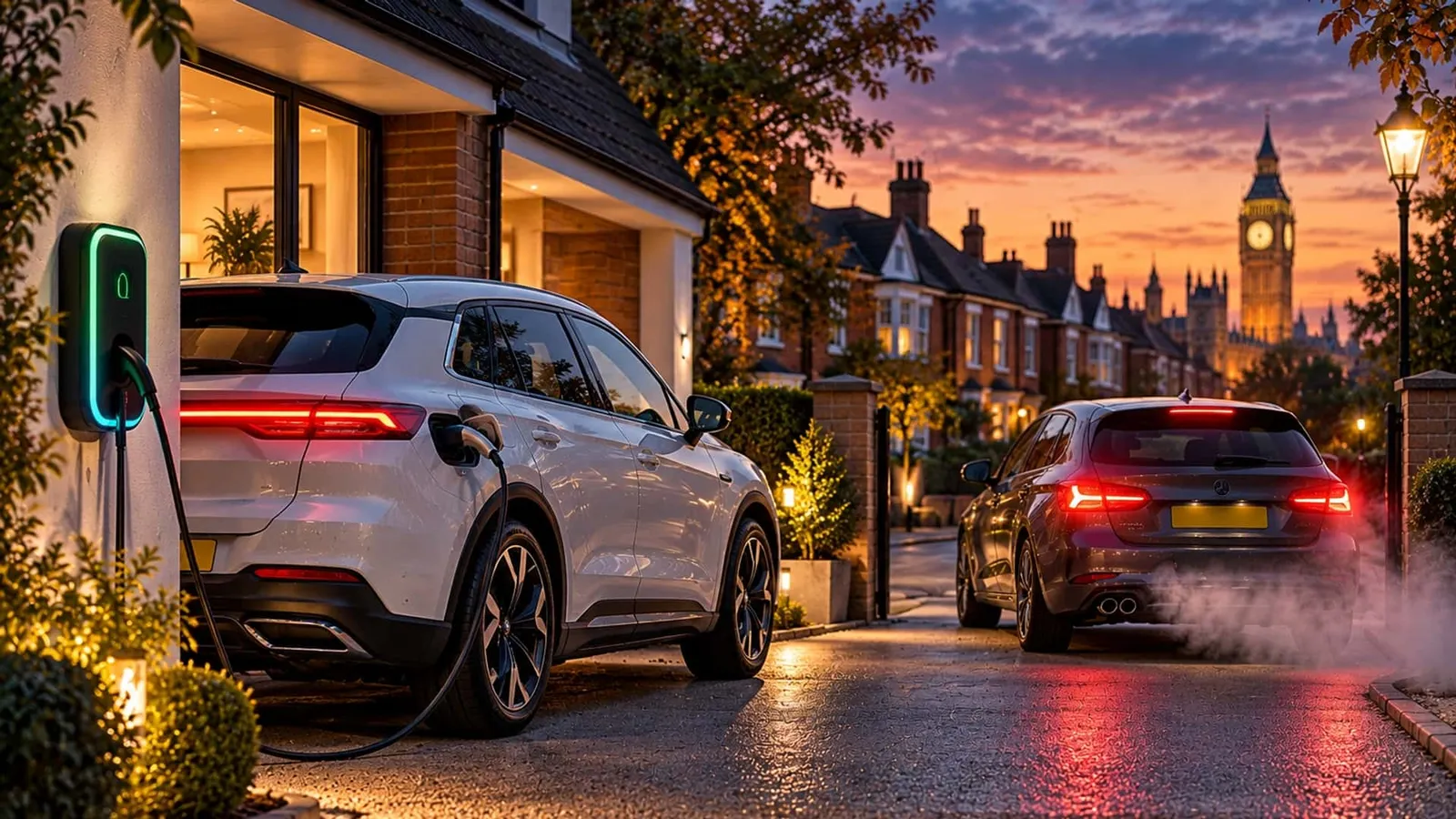
Encouraging electric cars could end up allowing manufacturers to sell more gasoline models. It seems contradictory, but it is one of the possible effects of a proposal under consideration by the UK government, which is evaluating the introduction of new incentives for automakers that market vehicles equipped with Vehicle-to-Grid (V2G) technology.
According to a report by “The Guardian” confirmed by the UK government’s website, the goal of this consultation is to promote the spread of electric cars that can not only absorb energy but also return it to the grid when needed. The paradox is that these incentives could be used to offset part of the requirements imposed on manufacturers regarding zero-emission vehicle sales, thereby giving more room to models with internal combustion engines.
When Electric Cars Act as Batteries
Vehicle-to-Grid is a protocol that allows the battery of an electric car with bidirectional charging to be used as an energy storage system for the electrical grid. The vehicle can charge during times when energy is cheaper, such as at night, and supply some of that energy back during periods of high demand. This could be a particularly interesting option in an energy system that relies increasingly on renewable sources. When wind or solar production declines, the batteries in cars connected to the grid could help offset imbalances between supply and demand, reducing the need to rely on gas-powered power plants.
According to estimates by the UK’s National Energy System Operator, V2G could make available up to 1.2 GW of power by 2030, with the potential rising to 41 GW by 2050. However, for this scenario to become a reality, it’s not enough for cars to be technically equipped; compatible two-way charging infrastructure and economic conditions that can persuade drivers to participate are also required. And this is where incentives come in.
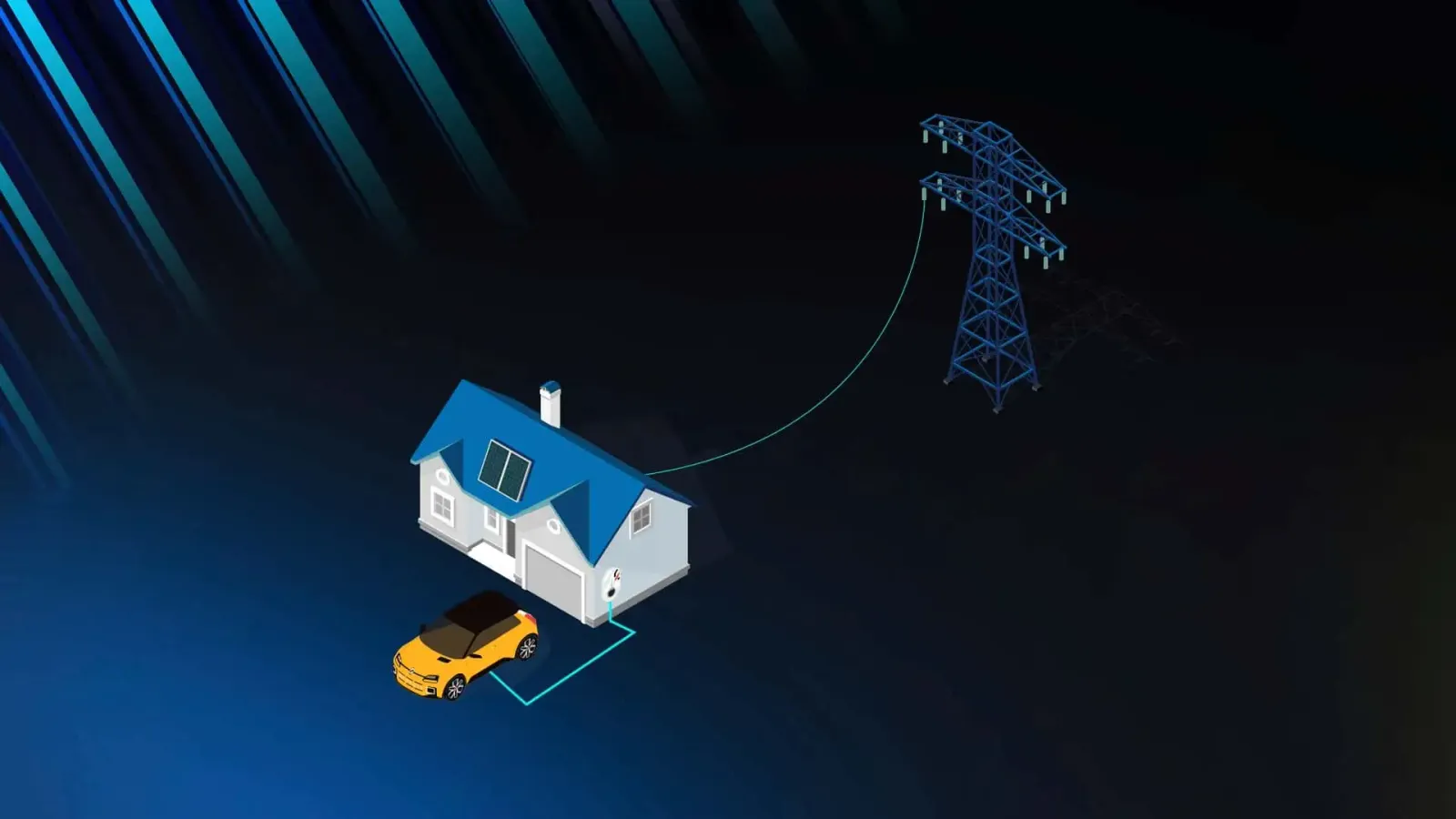
An example: the Mobilize V2G service for the Renault 5
Why incentives for electric cars might benefit gasoline vehicles
The British proposal is part of the review of the so-called ZEV Mandate, the system that sets annual sales targets for zero-emission vehicles for manufacturers. The idea is to grant additional credits to companies that sell electric cars with bidirectional charging capabilities. However, these credits could also be used to meet the requirements of the mandate by offsetting a portion of sales of non-electric vehicles.
In simple terms, a manufacturer could gain a regulatory advantage by installing V2G on an electric vehicle and using it to continue selling more gasoline cars without facing the penalties imposed by the system. It is this mechanism that raises concerns among some environmental organizations and supporters of electric mobility. The worry is that an incentive designed to accelerate innovation might actually slow down the adoption of zero-emission vehicles.
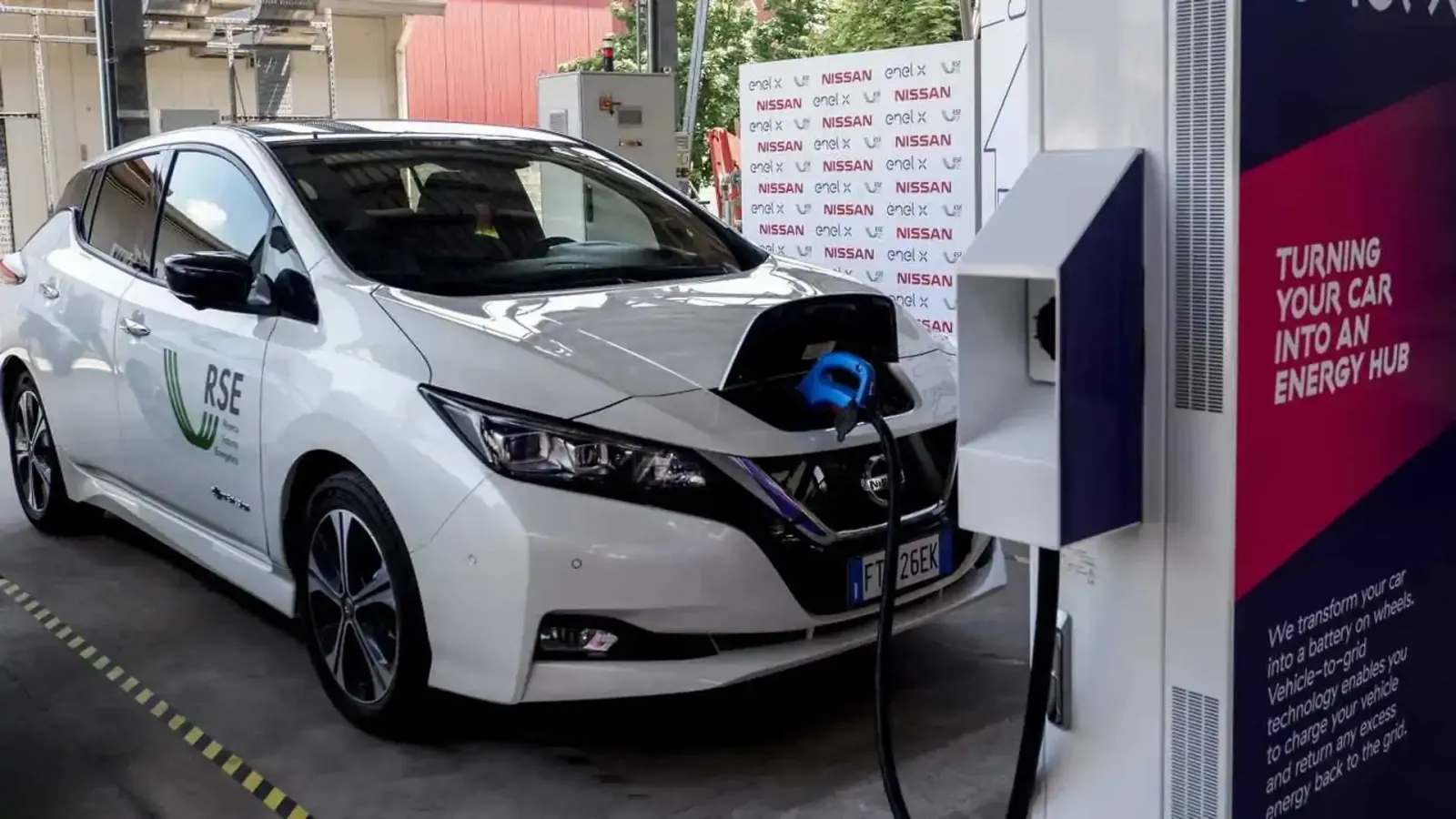
Two-way charging and grid connection
Should we reward the technology or its use?
There is another issue, far from trivial: a vehicle equipped for V2G is not necessarily one that actually returns energy to the grid. Ben Nelms, head of the British research center New AutoMotive, emphasized that "incentives should reward the actual use of the technology, not just the mere presence of hardware on board."
Otherwise, manufacturers could reap significant benefits even for vehicles that will never truly contribute to the stability of the electrical system. It would be somewhat like having a car with a methane fuel system and associated incentives for being eco-friendly, but then continuing to operate on gasoline... For now, however, there are no new credits in effect. The UK government concluded the consultation on revising the ZEV Mandate on October 23 and must now consider any potential changes to the system.
V2G: The Pros and Cons of Cars as Batteries
Photo gallery: The Mobilize V2G service for the Renault 5