
The Italian car can win the electric race if it plays ahead of time.
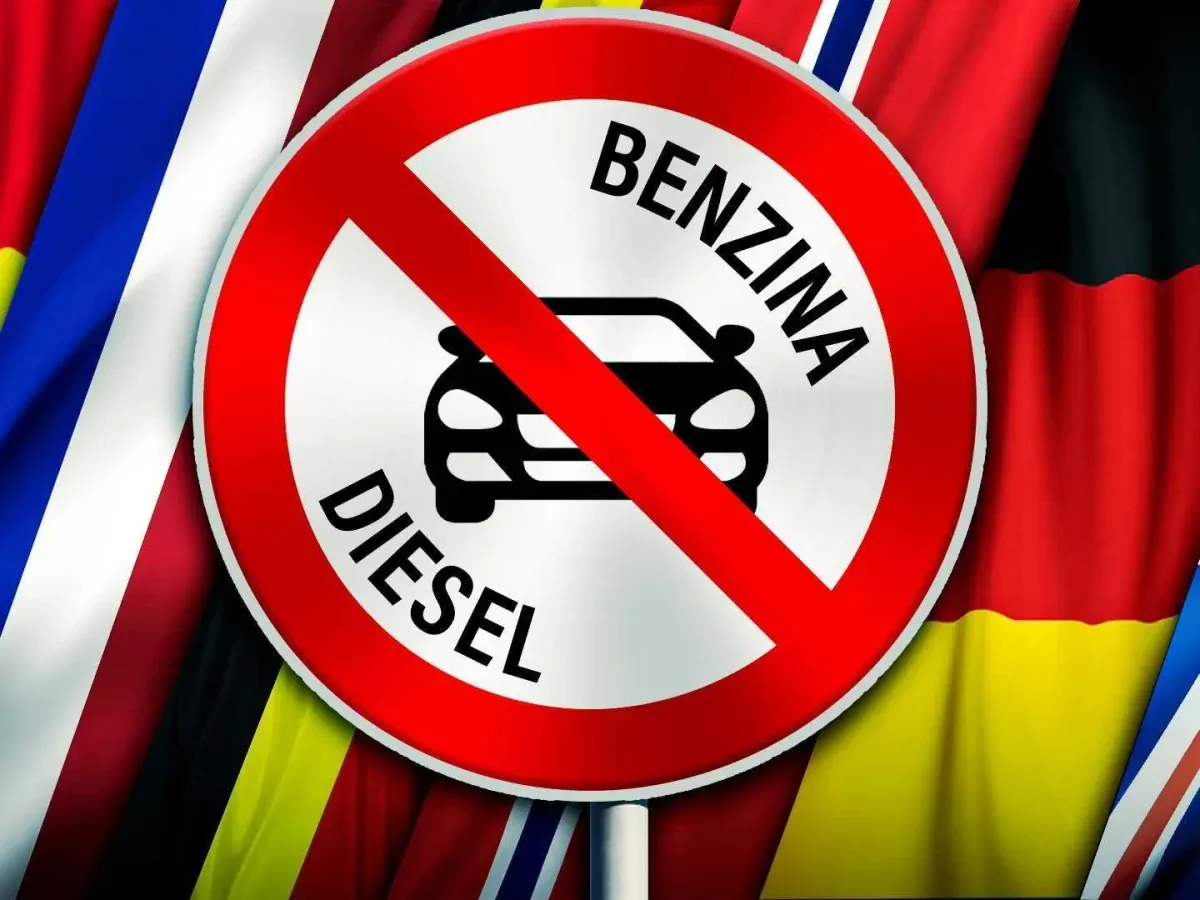
According to the managing director of Jameel Motors Italia (Geely and Zeekr), Italy’s automotive industry is well-positioned to win the electric vehicle race if it acts proactively rather than sticking to defending its existing position. “To remain competitive,” he says, “one must understand before others what the market will demand tomorrow.” He adds, “A clear vision builds trust in the market, and trust attracts significant investment.”
In short, electric cars are not the cause of Italy’s automotive industry crisis, but they can represent an opportunity to revitalize it. However, this is only possible if the country can look beyond the emergency and develop an industrial strategy that lasts beyond a single legislative term. This is the view of Marco Santucci, a manager with about thirty years of experience in the automotive sector who is currently the managing director of Jameel Motors Italia, the distributor for the Chinese brands Geely and Zeekr. He expressed this in an episode of Vaielettrico’s Fuoco Amico segment focused on Chinese competition.
For Santucci, the challenge is not to defend the existing industrial model at all costs, but to prepare for the changes that are transforming the automobile industry: electrification, software, artificial intelligence, connectivity, and safety. He argues that we still possess significant industrial, technological, and scientific expertise in these areas.
“To remain competitive in the future, we need to focus not so much on what’s right in front of us, but on what’s beyond the horizon,” he says. He identifies batteries, electronics, materials, research, and renewable energy as opportunities for our production system.
Spain’s lesson: an industrial strategy is needed
The comparison with Spain is central to the manager’s reasoning. In recent years, he notes, the Iberian country has managed to attract automotive investments thanks to a long-term industrial policy and the development of renewable energy sources. The result is car production that, according to the data cited in the interview, is almost five times that of Italy.
“What’s truly needed is a country strategy that lasts beyond a single legislative term,” emphasizes Santucci. A clear direction would also allow large international groups to consider new investments in Italy, with impacts affecting the entire industrial ecosystem.
The manager isn’t simply asking to impose targets on engines, but to maintain a recognizable trajectory over time. In his view, Europe merely indicated the direction of the transition well in advance, while China managed to interpret it and invest more quickly. “China didn’t invent this electric transition; it simply understood very well the direction the world was heading and invested earlier and faster than others.”
Green Deal and energy independence
Santucci views the electric transition as an issue that goes far beyond the environment. “The transition is not just an environmental issue; it’s also an industrial, economic issue, but above all, a strategic one,” he says. Electricity, he recalls, can be produced in Europe and Italy, even through renewable sources: reducing dependence on imported fuels thus means strengthening energy security and creating new industrial opportunities.
According to Santucci, the problem is the uncertainty surrounding Italian motorists’ purchasing decisions. National and regional incentives, local rules, and varying restrictions from city to city make it difficult to determine which car to choose and how to use it.
"If a customer can’t figure out which car is best for their needs, imagine what they’ll do in the next 12 months: they’ll delay the purchase." A stable outlook, on the other hand, could strengthen the confidence of consumers and investors: "Consistent rules build trust in the market, and trust drives significant investment."
Chinese cars, lower prices thanks to scale economies
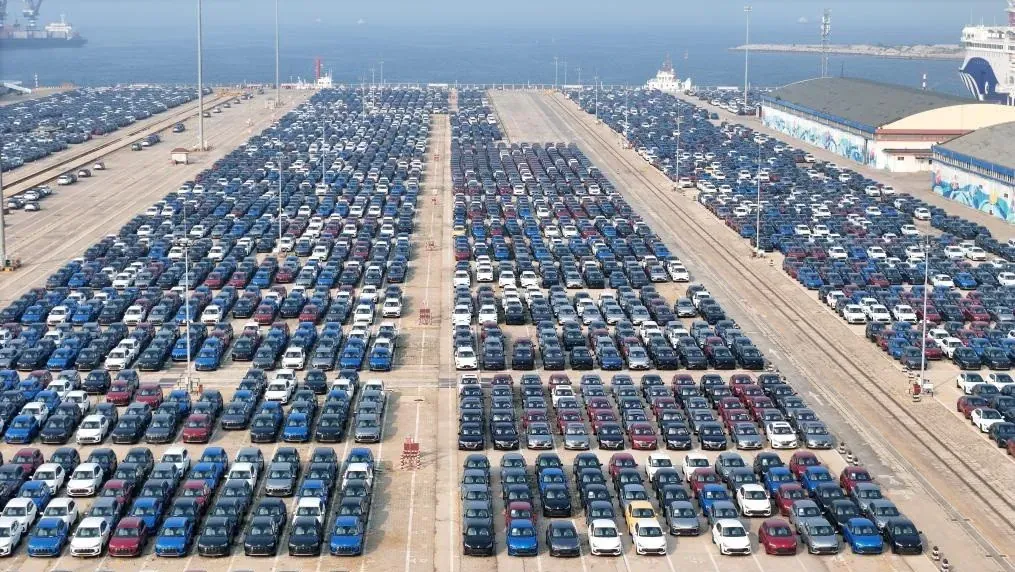
Regarding the competitive advantage of Chinese manufacturers, Santucci advises not to focus solely on government subsidies. The price difference compared to European models, he explains, stems mainly from the size of the domestic market, product standardization, and the speed at which companies can develop and industrialize new technologies. “China has built scale, developed supply chains and technology, and possesses an industrial speed that is completely different from how we operate in Europe.”
The Chinese market sees around 30 million new cars sold each year, accounting for one-third of the global total. Such volumes enable economies of scale that are difficult for individual European countries to replicate. Additionally, there is a smaller variety of configurations and components, which reduces production complexity.
Santucci also warns about the risks of a strategy based solely on trade barriers. “A tariff can slow down a competitor, but it doesn’t automatically make the industry it aims to protect more competitive,” says the manager, citing the experience of Japanese automakers. Initially hindered by import restrictions, they still became leaders in the global market in the following years. Therefore, the response to Chinese competition must be industrial: investing, developing competitive products, and creating synergies among European countries.
Geely and Zeekr: two brands, two positions
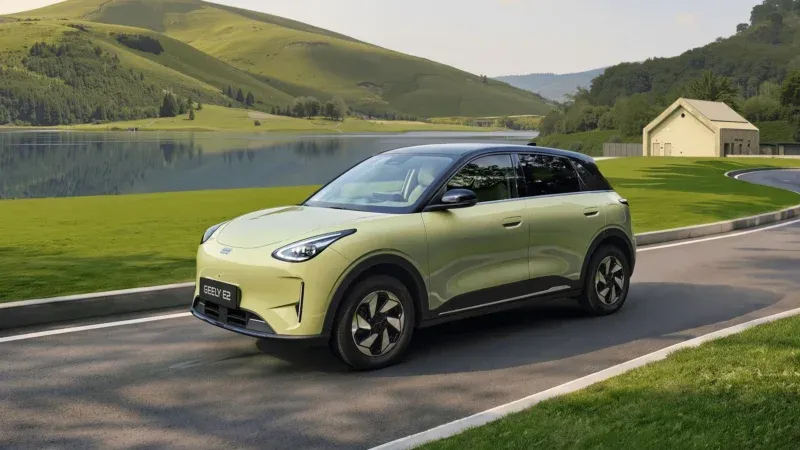
In the interview, Santucci also explains the strategy of the two brands, Geely and Zeekr, which are distributed in Italy by Jameel Moors. The Geely group has been present in Europe for a long time through acquisitions and stakes, ranging from Volvo to Lotus, including Lynk & Co and Polestar, as well as its involvement in Smart and its share in Mercedes-Benz.
Geely targets the mass market, focusing on affordable prices, safety, comfort, and technology. Zeekr, on the other hand, targets the premium segment, placing greater emphasis on performance, materials, and technological features.
Both brands, however, strive to combine global expertise with a European sensibility. Geely also has a design center in Milan, while Zeekr relies on a strong European stylistic identity, shaped by work done in Gothenburg. Santucci also highlights the safety features, warranties offered by both brands, and the European organization for spare parts. These elements should help overcome prejudices about the quality of Chinese cars.
The decisive factor lies in after-sales support as well
To win over Italian drivers, it is not enough to offer technologically advanced vehicles at competitive prices. It is necessary to provide a reliable sales and after-sales network capable of supporting the customer throughout the car’s lifetime.
Santucci assures that the network was built by selecting dealers with experience, local presence, and trained staff. He adds that technology must also be evaluated based on tangible benefits: “Technology is excessive when it serves no purpose. When it makes the car safer, more intuitive, more efficient, and less costly to use, it’s no longer just a gadget—it becomes a value added to the car.”
Prepare for the market to come, don’t defend what already exists
He concludes that “helping people overcome what they think they know about Chinese products and assess what they actually have in front of them” is the best way to change public perception. This is a commercial challenge for new brands, but it also offers a broader lesson for the European industry: to remain competitive, they must prepare for the market ahead rather than trying to preserve what already exists.
Watch the VIDEO too