
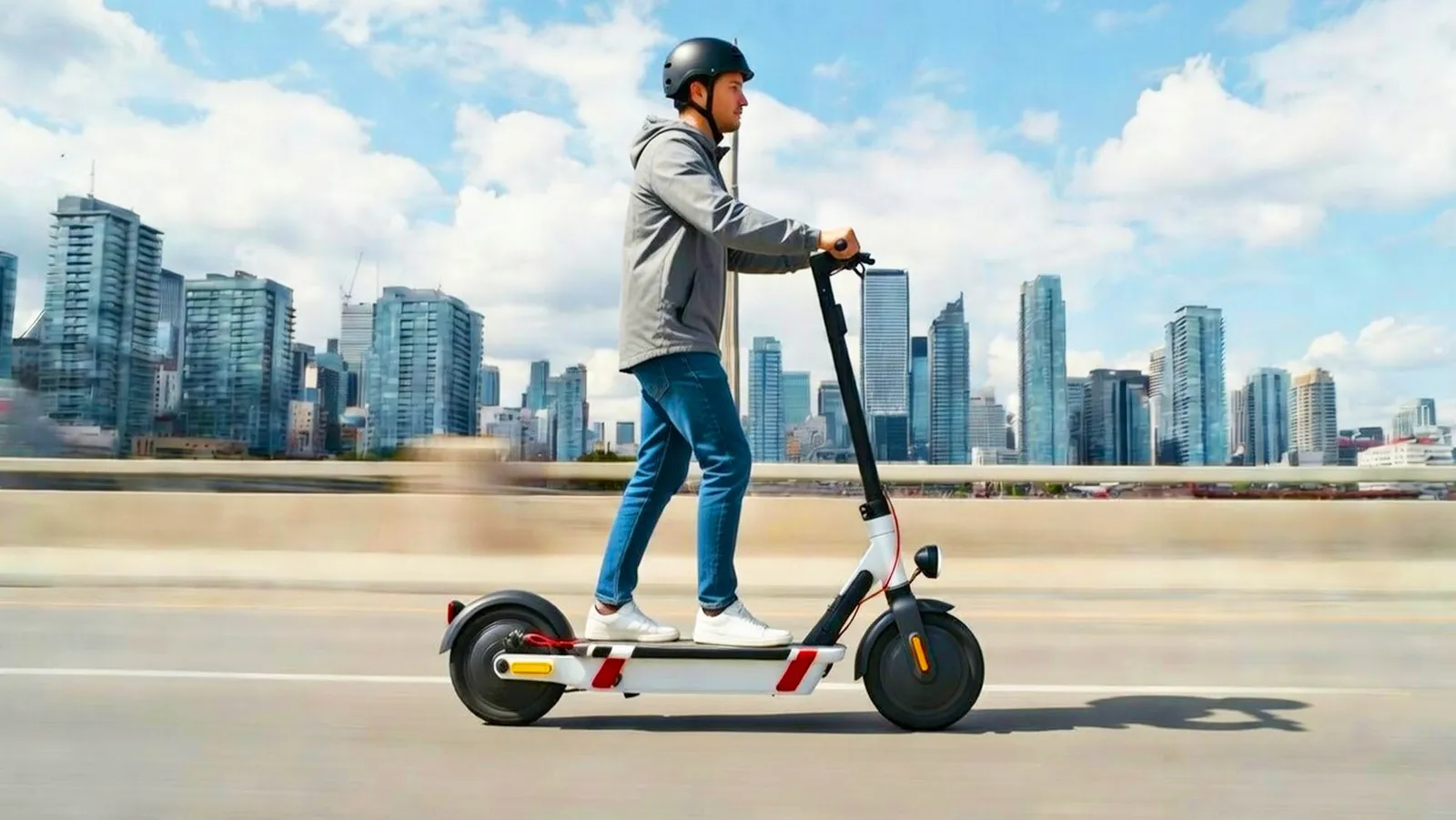
The rules for electric scooters are changing in October, and users are criticizing the DGT: “They force this on us but not on bicycles.”
06/09/2026 14:00
Updated to
06/09/2026 14:00
E-scooter users will have to take on new obligations starting from October 1st, but the tightening of regulations has reignited a debate that industry associations have been raising for some time. The issue lies not so much in measures such as helmets or minimum age requirements, which have the support of most users, but rather in the ongoing differences compared to bicycles.
Pol Solà, president of the Association of Users for Personal Mobility (AUMP), believes the new General Traffic Regulations once again apply different standards to vehicles that share much of urban space. “It’s incomprehensible that the DGT forces us to drive safely while not requiring the same from bicycles,” he says, referring especially to the mandatory use of helmets for all VMP users.
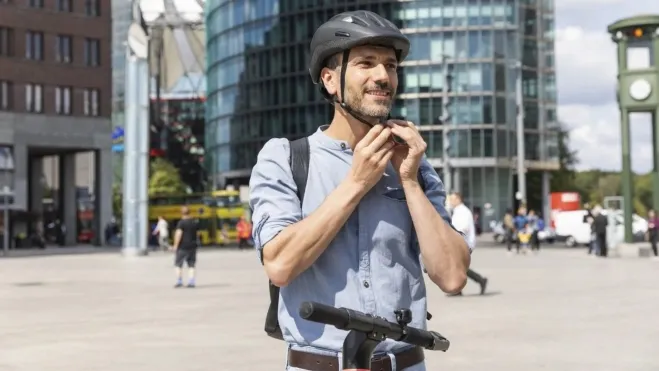
Helms for everyone and 15 years as the new entry barrier
The reform establishes for the first time a common minimum age across Spain for driving a personal mobility vehicle: 15 years. Until now, this limit could vary depending on municipal regulations. The DGT justifies this age as appropriate for taking on the risks associated with driving these vehicles, while AUMP adds another factor: many of the scooters on the market are physically designed for adults.
Solà points out that many models are practically single-screen and that even those with adjustable handlebars are not designed for child users. The association believes this indicates a limitation in current vehicles, though it questions whether such a restriction is necessary if VMPs truly suited for minors emerge in the future, especially considering that bicycles do not have an equivalent minimum age requirement.
The other major change will be the helmet. The new Article 118 requires all VMP drivers to use an approved or certified helmet that is properly fastened, regardless of whether they are on urban or interurban roads. The situation is different for bicycles: helmets remain generally mandatory on roads and for those under 16 years old on any road, in addition to certain additional requirements for those who work professionally as cyclists.
It is precisely this difference that has drawn criticism from AUMP. Solà says the association had been voluntarily recommending helmets for years and does not question their usefulness, but considers it inconsistent to require them always for vehicles whose maximum speed is legally limited to 25 km/h, while the regulations apply a different regime to bicycles.
The reform also changes where and how e-scooters can travel
The new regulations also introduce a slight allowance for travel outside the city. VMPs will still not be allowed to use highways, motorways, overpasses, or conventional intercity roads, but they can travel on bike lanes, cycling paths, pedestrian routes, and other roads where motor vehicle traffic is prohibited, unless a sign explicitly states otherwise.
For AUMP, this option addresses part of the regulatory issue but not the infrastructure problem. Solà notes that there are still many municipalities without connected cycling routes, so legally permitting such trips has limited impact if there is no continuous network through which they can be traveled safely.
The requirements regarding visibility also change. Between sunset and sunrise, or when conditions significantly reduce visibility, drivers must use at least one light source or reflective device visible from 150 meters away. Therefore, the regulation does not require private users to wear a specific vest; however, it will be mandatory on all types of roads for those who conduct professional activities using a VMP.
Lights will also be required during the day, but there will be a one-year grace period.
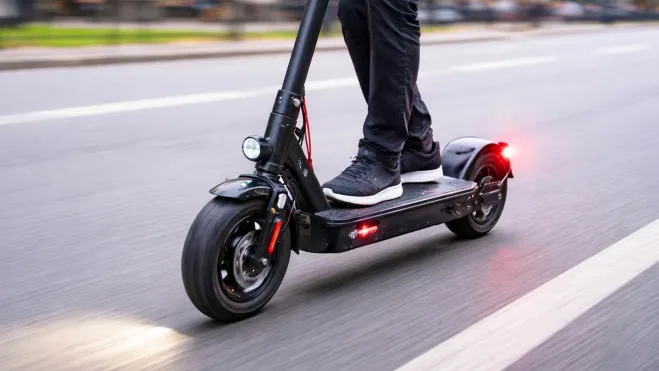
Scooters will also need to be operated with their own lighting system turned on. This requirement will take effect when the regulation comes into force for nighttime use, while there is a one-year transitional period during the day. In practice, daytime lighting will be mandatory starting from October 1, 2027.
AUMP does not foresee major problems adapting to this requirement, as most current VMPs already come equipped with lights by default. The association, however, maintains its criticism of the overall approach to the reform: it supports measures aimed at enhancing user protection but believes the regulations still impose different obligations on scooters compared to bicycles, even though both are part of urban mobility and reduced motorized traffic policies.