
Japanese brands are struggling in China: their production has dropped by 46.5%
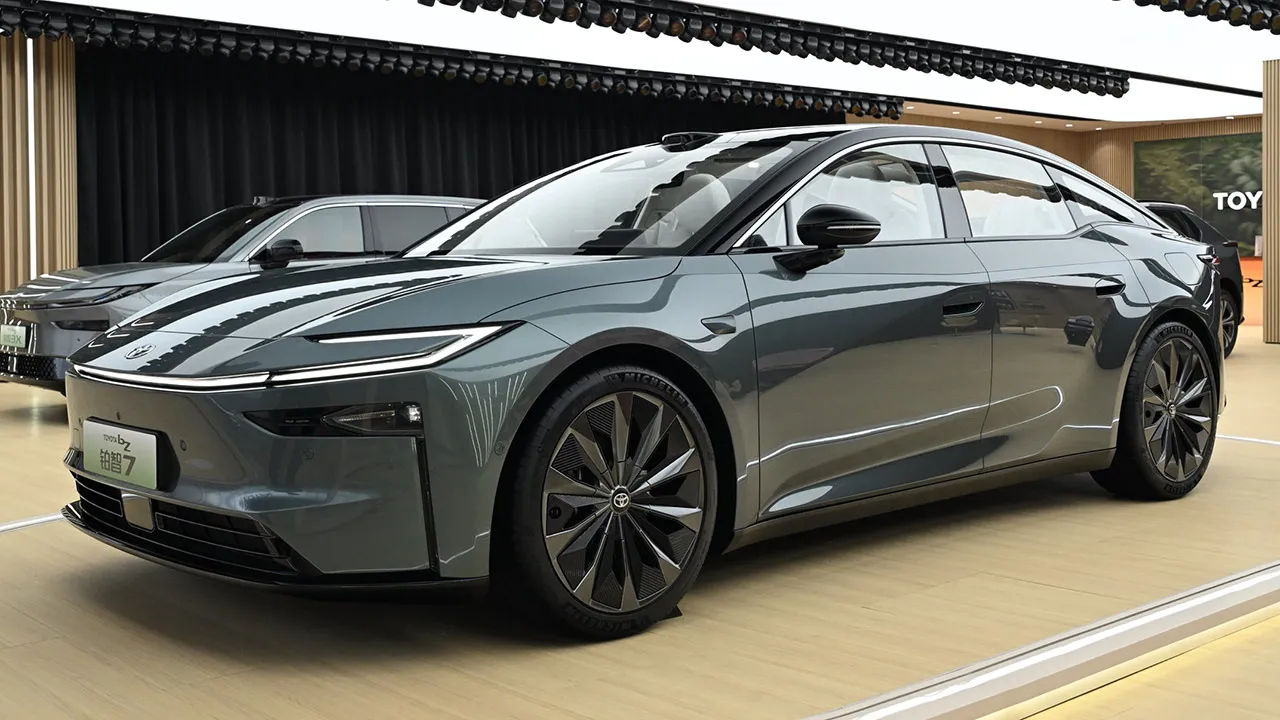
Japanese brands produced 1.11 million passenger cars in China from January to September 2026. Honda experienced the steepest decline among the three major manufacturers, while Toyota gained ground within the Japanese group despite also suffering a significant drop.
Japanese brands are losing ground in China at a concerning pace. For years, their cars attracted customers willing to pay for a combination of reliability, low fuel consumption, and a good reputation. But the expansion of Chinese manufacturers and their electric and plug-in hybrid offerings is changing the dynamics of this competition.
According to data from the China Association of Automobile Manufacturers (CAAM), production of Japanese-brand passenger cars in China totaled 1.11 million units from January to September 2026, 46.5% less than in the same period of 2025. Toyota, Honda, and Nissan were all affected, though the severity of the decline varied significantly among them.
From 2020’s peak to an increasingly deep decline
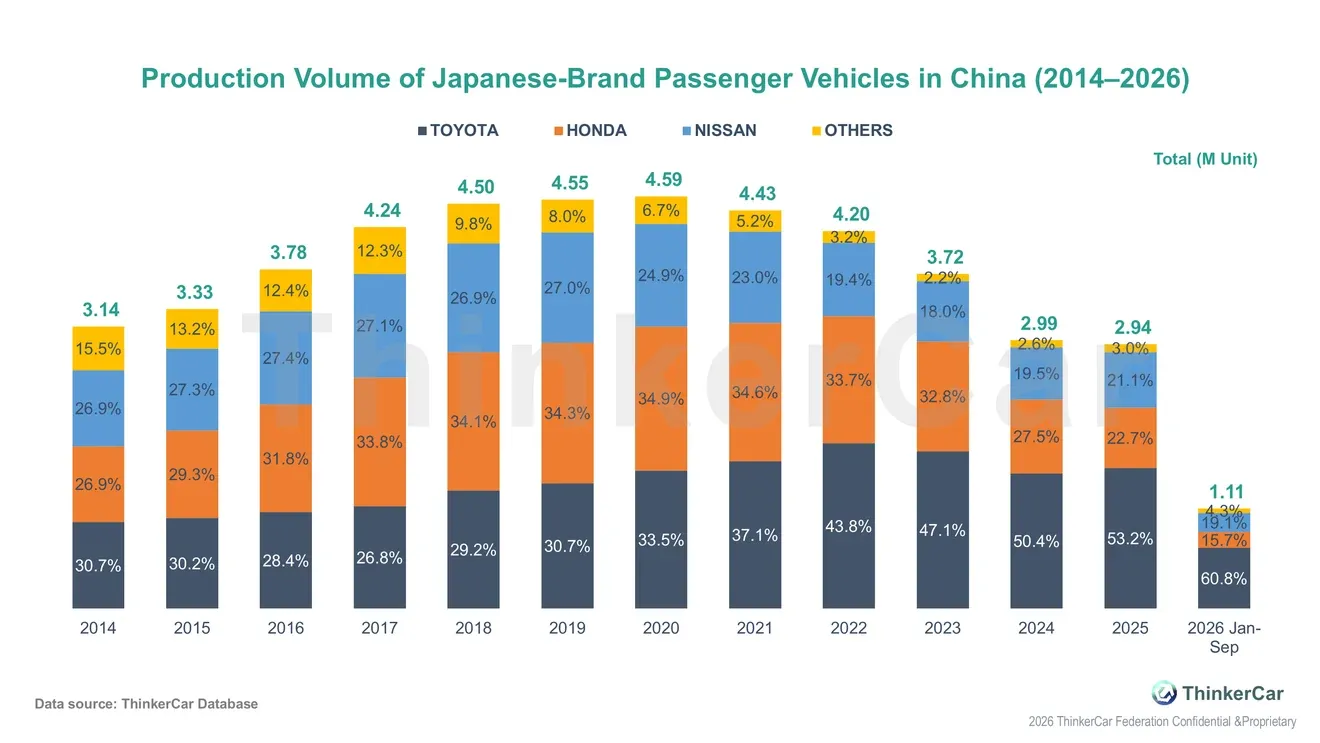
The historical evolution helps us understand the scale of change. In 2014, Japanese brands manufactured 3.14 million passenger cars in China. Production continued to rise, reaching a peak of 4.59 million in 2020, but since then, figures compiled by the association have shown a steady decline.
By 2023, the volume had dropped to 3.72 million units. A year later it fell to 2.99 million, and in 2025 it decreased slightly to 2.94 million. Between the 2020 peak and the end of 2025, annual production had fallen by approximately 36%, prior to the further sharp decline expected in 2026.
Toyota leads in production but also experiences a decline

Toyota finds itself in a situation that may seem contradictory at first glance. Its share of Japan’s manufacturing output in China rose from 30.7% in 2014 to 60.8% in the first nine months of 2026. Yet this increased prominence comes alongside a 40.7% year-on-year decline in its own production volume.
The explanation lies in the denominator. That 60.8% refers exclusively to the group of passenger cars from Japanese brands manufactured in China, not the entire Chinese market. Toyota accounts for the larger share of production, which is declining sharply; it gains relative importance because other Japanese manufacturers are falling even further.
Applying this percentage to the rounded total in the chart, Toyota would have produced approximately 675,000 passenger cars during that period. This is an estimate based on available data, but it illustrates how much Japanese industrial activity reflected in this series is now concentrated in just one manufacturer.
Honda suffers the biggest hit among the three major brands
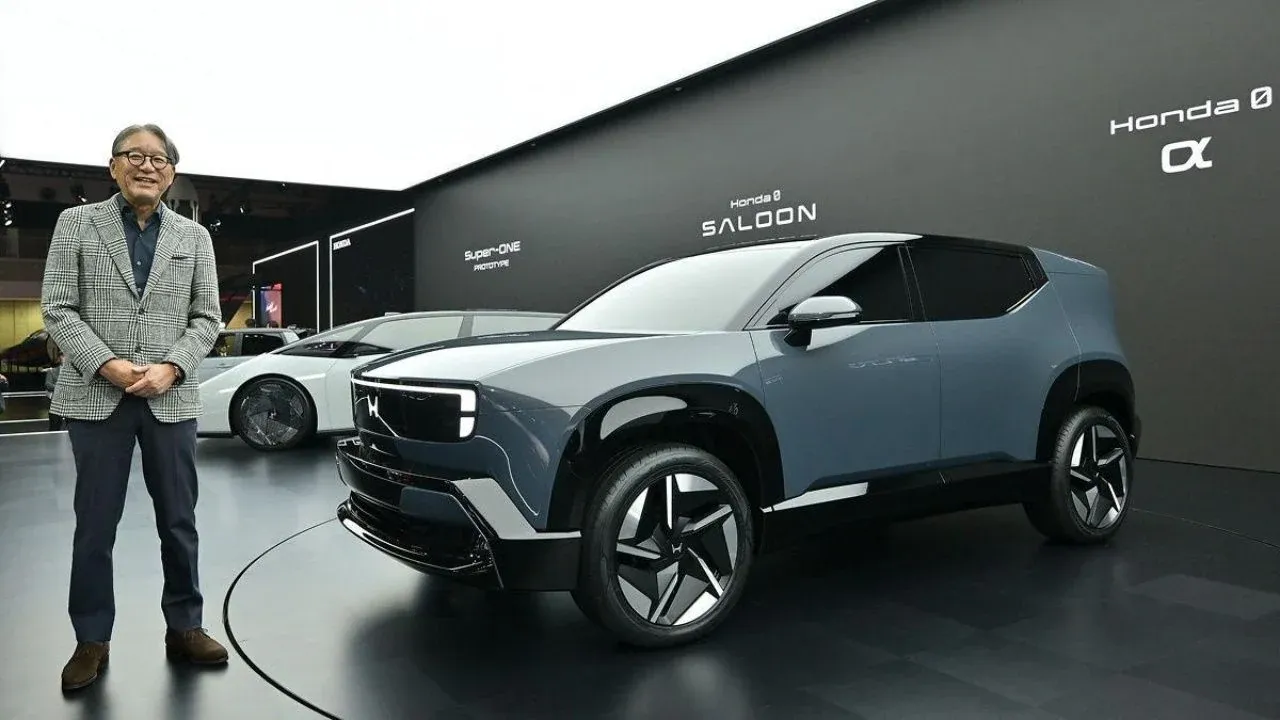
Honda’s situation is particularly striking. In 2020, it accounted for 34.9% of Japan’s car production in China, slightly ahead of Toyota. From January to September 2026, its share dropped to 15.7%, while its production saw a year-on-year decline of 62.8%.
This is the biggest decline among the three major Japanese brands analyzed. Based on the rounded figures from the chart, its output was around 174,000 cars in the first nine months. This sharp decline shows that Honda is experiencing particularly severe setbacks within a group that is already facing widespread difficulties.
Nissan is also not immune to the decline. Data shows its production fell by 48.4% on an annual basis, accounting for 19.1% of Japan’s total output. This would correspond to approximately 212,000 passenger cars manufactured from January to September, based again on the rounded figures from the chart.
Its relative trend, however, requires a nuance: Nissan’s share has not declined every year since 2020. It dropped to 18% in 2023, rose back to 19.5% in 2024 and 21.1% in 2025, before falling again in 2026. The overall trend is unfavorable, but the chart does not show a continuous reduction in its share.
Chinese electric cars are eroding a formula for success
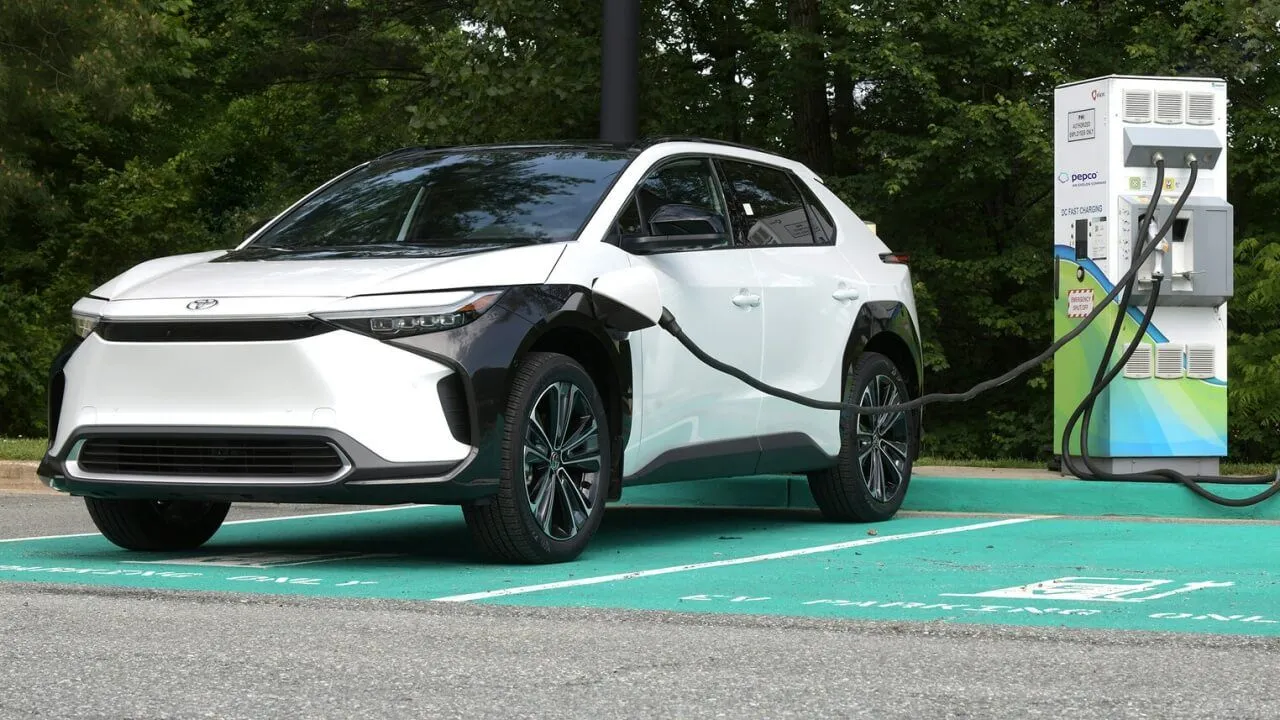
This decline may be due to the transformation underway in the Chinese market. Electric vehicles and plug-in hybrids from local manufacturers are encroaching on the space previously occupied by gasoline-powered family cars, a category in which Japanese brands built much of their business.
Fuel efficiency and a reputation for reliability remain valuable attributes. The analysis suggests they have lost the ability to distinguish their offerings on their own against competitors offering other advantages. This does not mean Japanese cars are less reliable, but rather that their traditional strengths now face different competition.
The consultancy also points to the pace of electrification and adaptation to local preferences as factors that hinder Japan’s response. In this context, having a solid track record with conventional hybrids may not be sufficient to defend industrial volume against increasingly competitive plug-in alternatives.
The data describe local production of sedans, so they do not directly equate to sales, registrations, or the global performance of these companies. But the industrial message is clear: the factories included in the study are producing far fewer cars. For Toyota, Honda, and Nissan, the challenge is to reintroduce models that Chinese buyers would want to choose today.