
Brands insist on installing screens for the co-pilot, but in practice no one uses them.
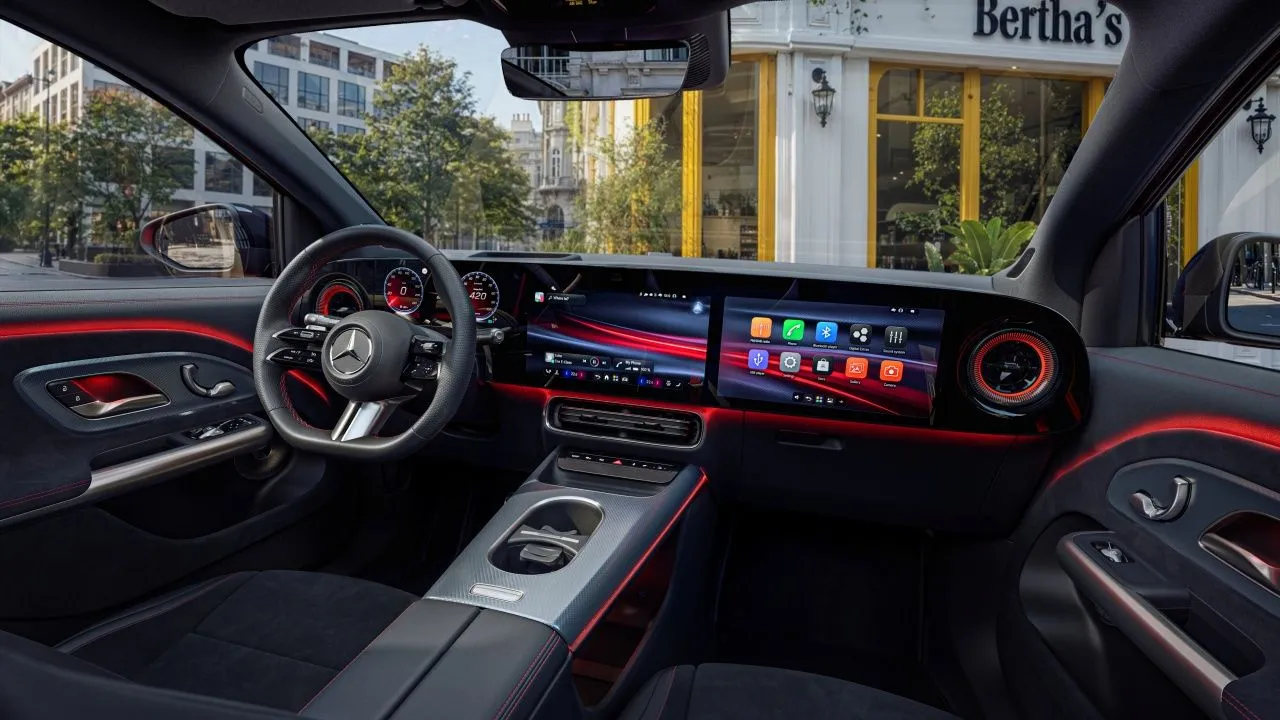
Lately, screens have become the main features on car dashboards. Although more and more manufacturers are opting to restore physical controls for certain functions like climate control, this has not halted the trend toward installing larger—and more numerous—displays.
In fact, many brands no longer settle for a large infotainment screen paired with digital instruments; they are also introducing additional screens, either as quick-access buttons (as in Peugeot’s i-Toggles), to control the climate system (Range Rover), or even for the passenger seat.
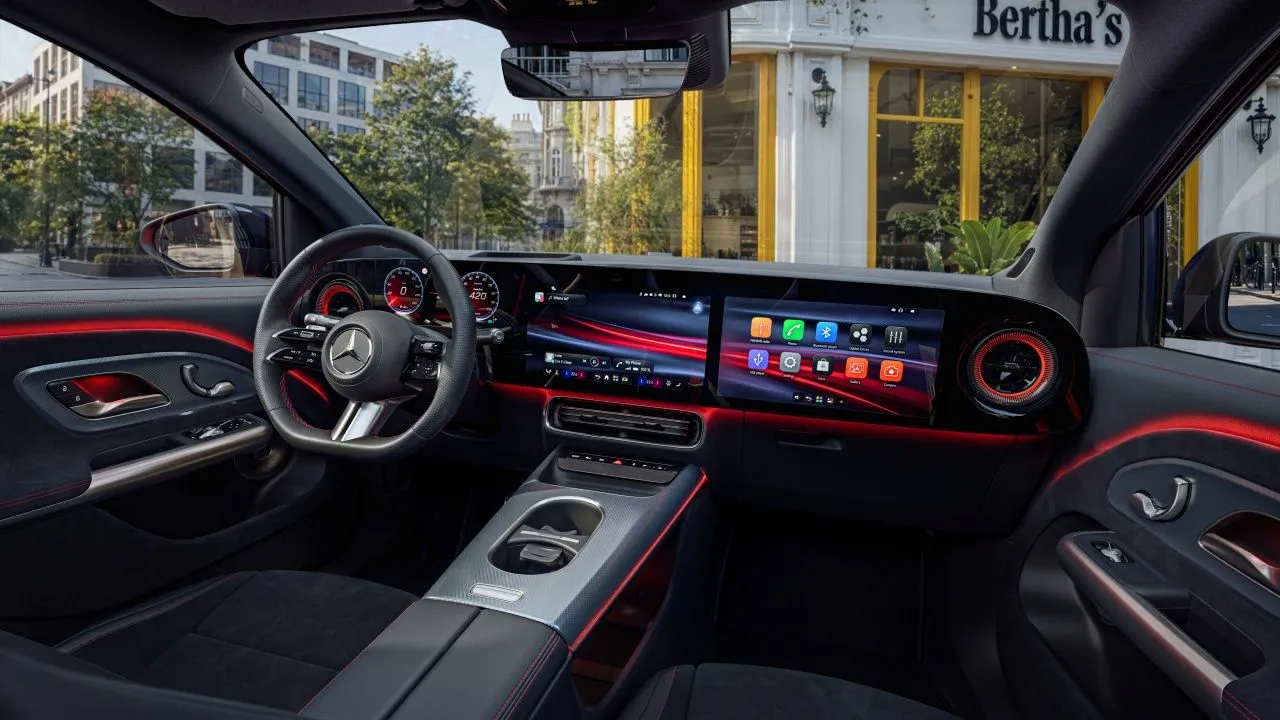
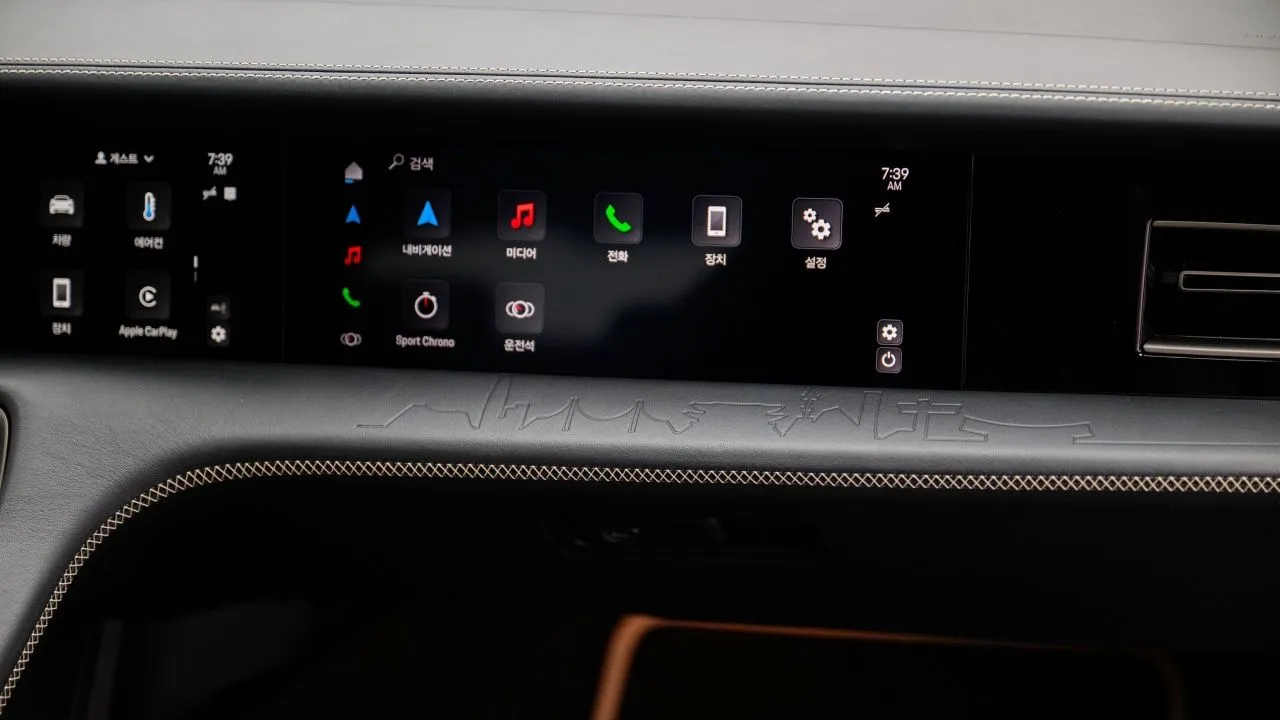
An increasing number of cars offer either panoramic screens that extend to the passenger side (Mazda CX-6e, Mercedes-Benz GLC...), or a separate display designed specifically so the passenger can enjoy their own multimedia content (Audi A6 e-tron, Porsche Taycan...). But is this kind of 'invasion' of screens really useful?
To answer this question, JD Power conducted a study that, against all expectations, shows that customers rarely use the passenger-side screen. 35% of vehicle owners with passenger screens say they have never used this feature, while only about 6% report using it regularly.
More technology doesn’t always equal a better user experience
These results make it clear that, despite the technological race currently underway in the global automotive industry, customers actually value those advancements that truly add value to their vehicles. And since practically everyone carries a smartphone in their pocket these days, a screen for the passenger seat is often unnecessary.
Furthermore, the study shows that vehicles equipped with passenger screens experience a higher rate of problems related to the infotainment system. This doesn’t mean the additional display is problematic in itself, but it reflects the fact that adding more technology doesn’t always lead to a better user experience, as there are greater chances of something going wrong.
In any case, the vast majority of models that can offer this feature provide it as an option, although some high-end vehicles are beginning to include it as standard equipment. JD Power’s US Tech Experience Index was conducted in the United States after surveying a total of 68,084 users between June 2025 and May 2026.
Source | JD Power