
Chinese brands double their sales in Europe as Chery overtakes BYD and MG
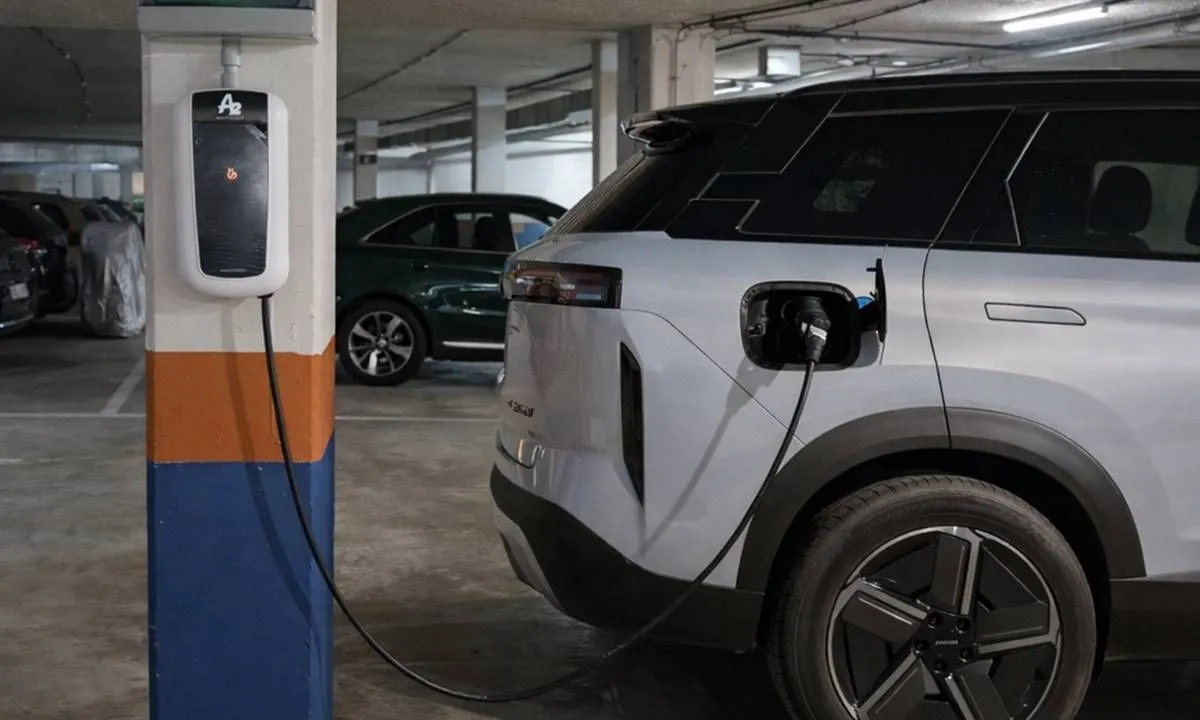
The expansion of Chinese manufacturers in Europe continues to accelerate. The arrival of new brands, an increasingly broad product range, and the growth of plug-in hybrids are reshaping sales patterns. September saw another record high for these manufacturers and a shift in their market rankings, though it’s important to distinguish between different groups and brands to accurately interpret the results.
According to preliminary data from Dataforce, as reported by L’Automobile Magazine, Chinese manufacturers achieved 194,760 registrations in September, a 104% increase from the previous year. The European market as a whole grew by 10%, reaching approximately 1.34 million units. This difference in growth rates explains why their presence continues to rise even in a month that is typically favorable for the industry.
Its share rose to 14.6%, up from the previous high of 11.7% recorded in August. That corresponds to roughly one in every seven new cars registered in the analyzed market. There was an increase of almost three percentage points in just one month, though further results will be needed to determine how stable this rise is.
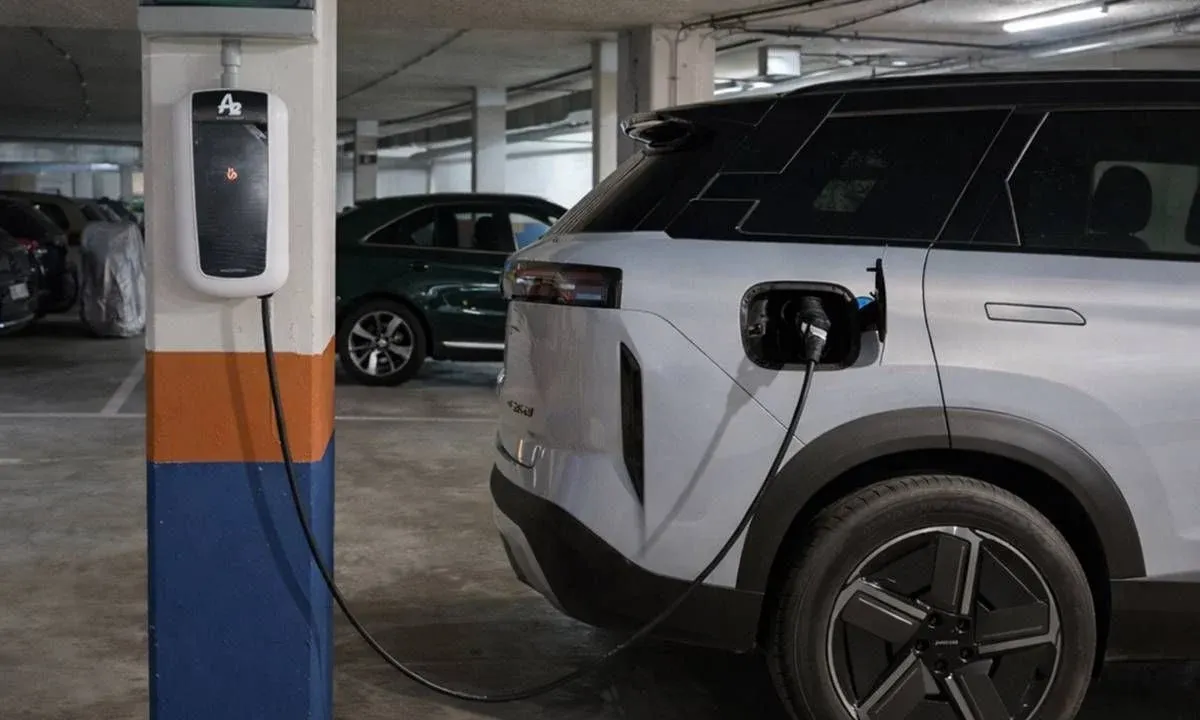
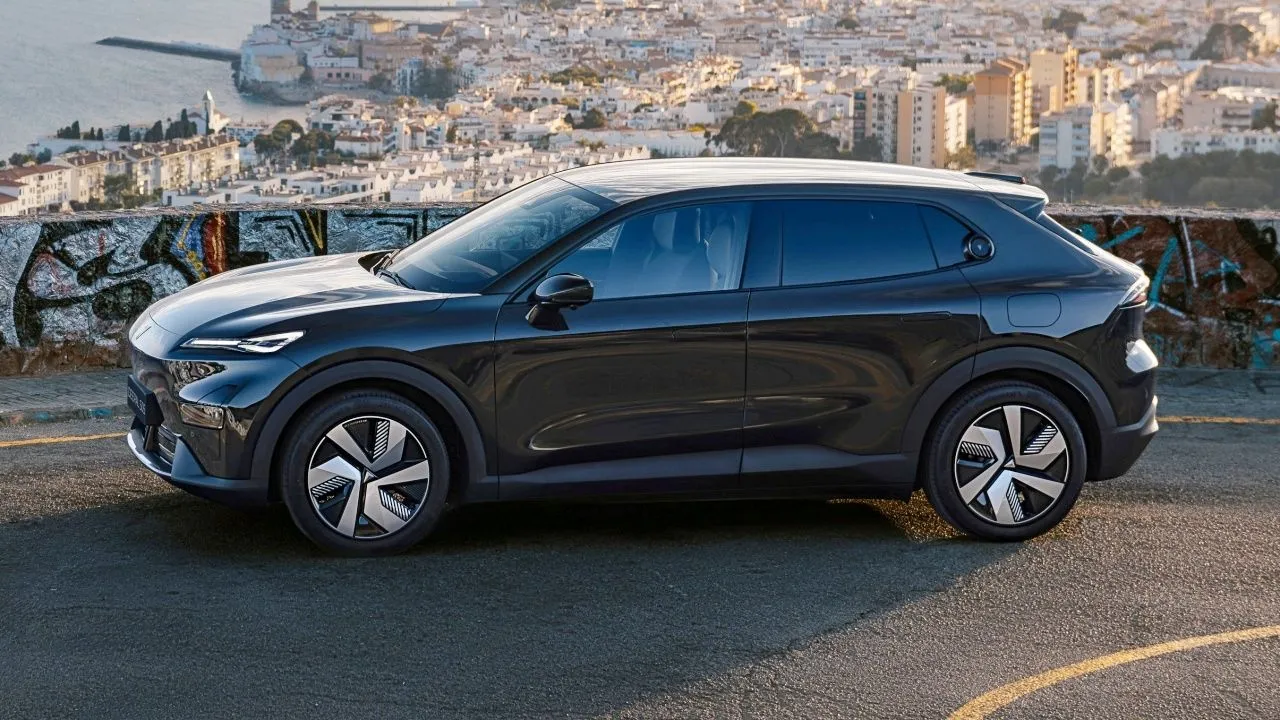
The main player is Chery, with 56,552 registrations and a 187% growth rate. The group of brands under its commercial umbrella surpasses BYD, which recorded 49,374 units and achieved a 102% increase, while MG falls behind with 41,707 registrations. There is an important nuance in this comparison: Chery appears as a group, whereas its two competitors are listed as individual brands.
From January to September, Chery’s total registrations stood at 283,075, a 253% increase from the previous year, with a lead of just 1,091 units over BYD. This small gap keeps the competition tight. Rather than indicating a settled dominance, these figures show increasing competition among Chinese manufacturers to establish themselves in Europe.
Plug-in hybrids drive growth, but electric vehicles are also accelerating
Plug-in hybrids (PHEV) are a key part of this progress. In September, Chinese manufacturers registered 73,952 units of these vehicles, representing a 175% year-on-year increase. Of the total Chinese sales mentioned, they account for approximately 38%. This figure refers to their share within their own market; it should not be confused with their proportion in the overall European plug-in hybrid market.
Electric vehicles (BEVs) also experienced strong growth: 68,091 units sold, representing an increase of 112%. They account for around 35% of total vehicle registrations in China, slightly less than plug-in hybrids. Together, these two technologies make up nearly three-quarters of the market volume, highlighting how much models with recharge capabilities are driving this expansion.
The fact that plug-in hybrids sell more than electric vehicles in this segment does not by itself indicate that Chinese manufacturers are unable to compete with Tesla or European brands. To assess this properly, it would be necessary to compare their market share in the electric vehicle segment, the performance of each competitor, and the markets they operate in. The available data does show that they are finding buyers for both types of technology.
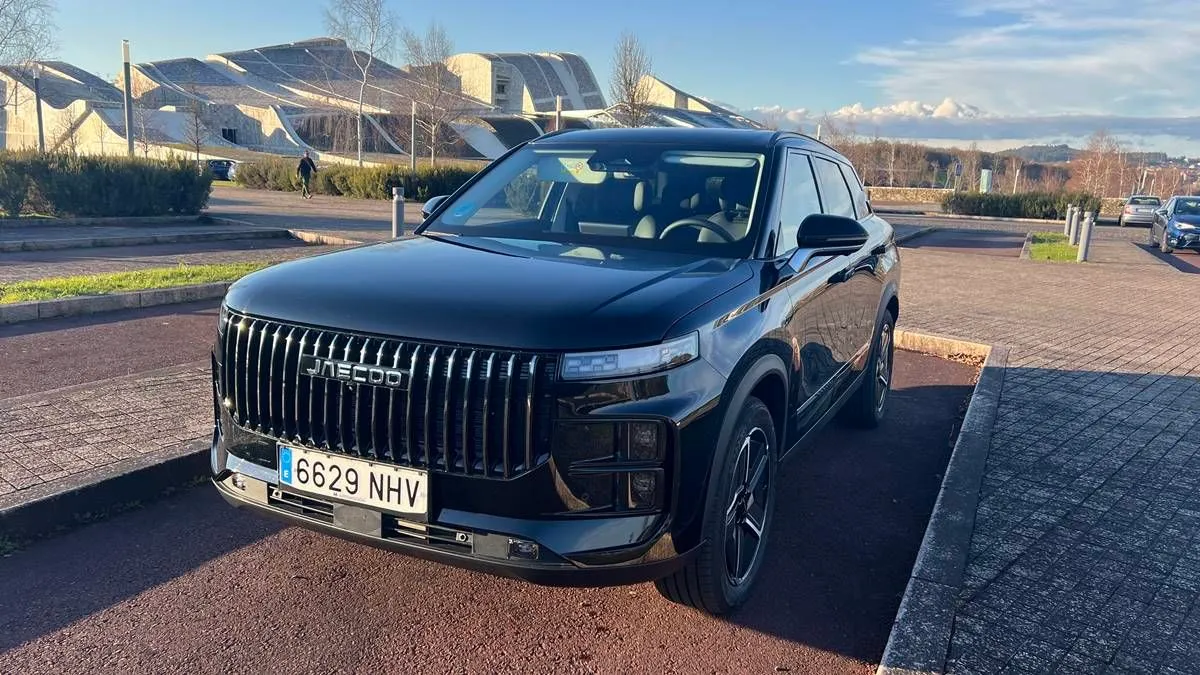
An example cited in the report is the Jaecoo 7, which saw 15,470 registrations in Europe alone in September. This SUV has become a key model for Chery’s expansion and demonstrates the ability of new brands to gain rapid visibility. Regardless, the commercial success of a group with multiple brands should not be attributed to just one vehicle.
The progress also coincides with a significant change in trade relations between Brussels and Beijing. As Reuters reported on October 12, both sides have agreed to limit imports of hybrids from China to 350,000 units per year, with an allowed increase of 6% each year for a period of four years. The report indicated that implementation might begin in early December, meaning this is no longer merely an open negotiation for the upcoming fiscal year.
Here too, it’s necessary to distinguish between different areas: a restriction imposed by the European Union does not equate to a measure applicable across all European markets. The United Kingdom, for example, is outside this community framework. Therefore, import quotas and European registrations cannot be directly compared without first checking which countries and categories each statistic includes.
The prospect of new restrictions might encourage manufacturers to accelerate shipments, but that doesn’t prove all of September’s growth is due to this factor. Exported cars, those still in transit, and those finally registered are different metrics. Without detailed data on inventory levels and deliveries, attributing the record growth solely to preemptive stockpiling would go beyond what the data allows.
In the first nine months, data from L’Automobile Magazine shows a combined registration volume of 1.12 million units, accounting for 10.5%, up from 5.5% the previous year. The pressure on traditional brands is evident: more and more alternatives are competing for the same customers. The next challenge for Chinese manufacturers will be to sustain this growth with a sales and after-sales network capable of keeping up with it.