
Renewable energy is experiencing its first global slowdown in 5 years, with experts pointing to the main cause.
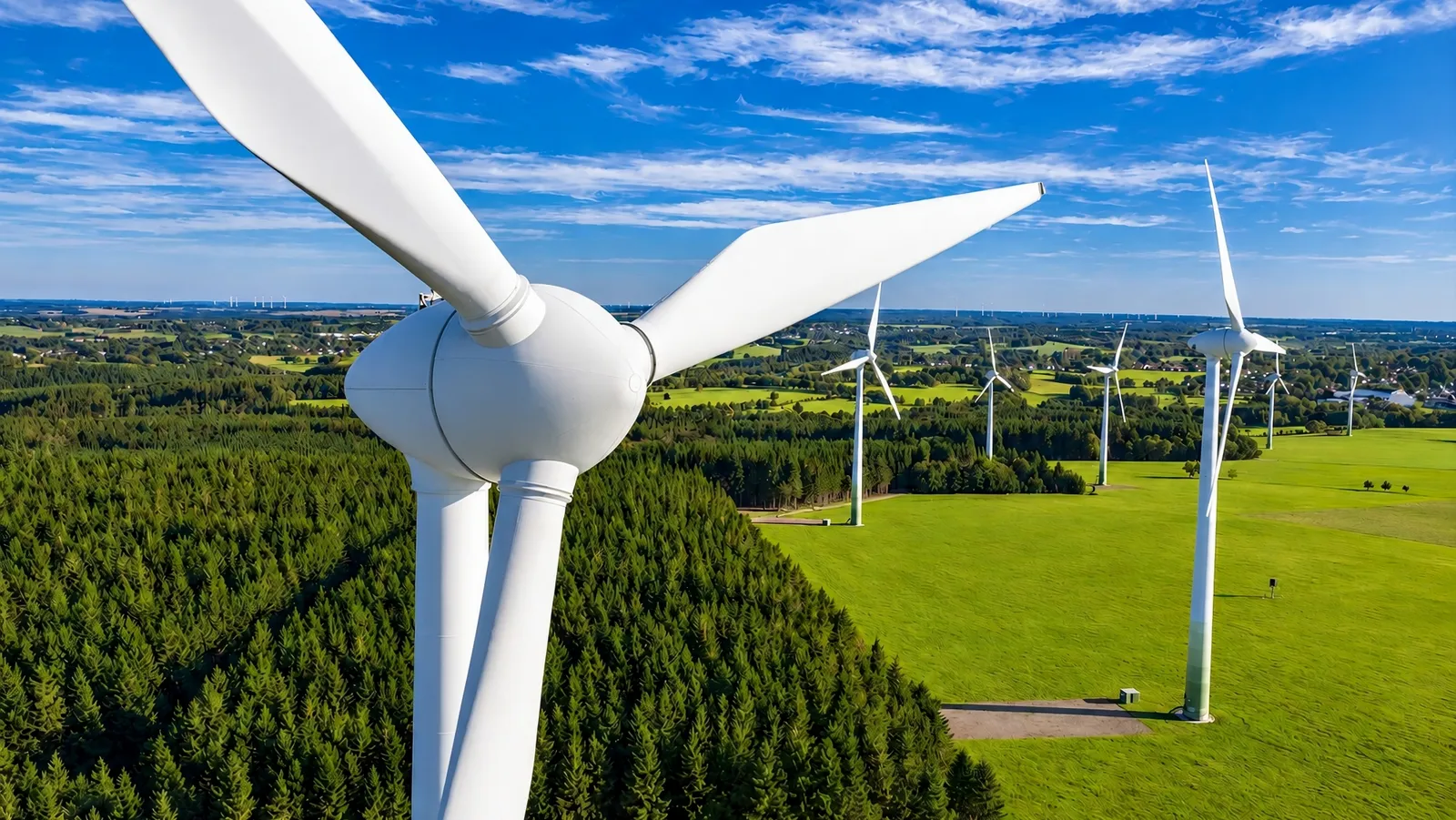
The global expansion of renewable energy could see its first decline in new capacity installation rates in five years by 2026. This is the warning from Francesco La Camera, executive director of the International Renewable Energy Agency (IRENA), who believes that the growth of solar and wind installations is facing an increasingly significant obstacle: insufficient grid capacity to transport and distribute all the electricity they can generate.
The statements, made during Singapore’s International Energy Week and reported by Reuters, come after several consecutive attempts to set world records. However, the head of the international organization believes that progress in renewable energy generation is not matched by sufficient investment in the infrastructure needed to utilize that electricity. China, the world’s largest market for renewable energy, has become the most striking example of this situation.
The problem becomes especially striking when considering what happened during the first half of 2026. According to data collected by Reuters, China had to limit the use of renewable energy capacity equivalent to the annual consumption of a country like Mexico. This situation illustrates how grid limitations can hinder the development of new facilities, even when there is capacity to generate more clean energy.
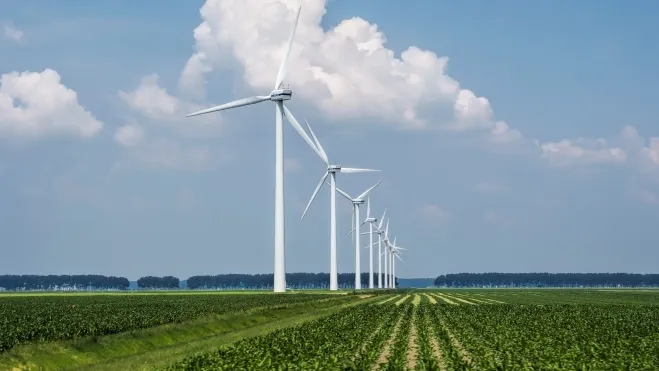
Power grids are slowing down the growth of renewables
Francesco La Camera clearly identified the main obstacle threatening global growth in renewable energy. In remarks to Reuters, IRENA’s executive director explained that generation capacity is increasing faster than the infrastructure needed to transport and distribute electricity.
The main reason why a new record for installations was not set this year is the mismatch between generation capacity and the ability to transport and distribute electricity, said the head of the international organization. His words point directly to a problem affecting both new solar and wind power plants and the electrical systems into which they must be integrated.
In recent years, many countries have made significant investments to expand their production of renewable electricity. However, installing more solar panels or wind turbines does not guarantee that all the energy generated can be utilized. Electrical grids, substations, and systems capable of managing generation that varies with sunlight and wind are also necessary.
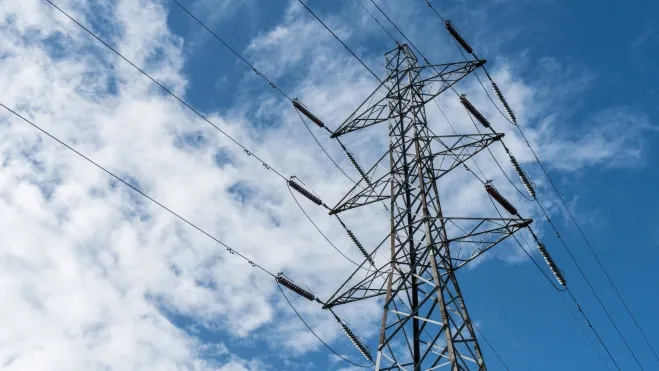
When such infrastructure lacks sufficient capacity, operators may be forced to limit the output of certain facilities. This phenomenon, internationally known as curtailment or renewable waste, can occur due to technical constraints, grid congestion, or difficulties in balancing power generation with demand.
The result is a paradox: there are facilities capable of producing clean electricity, but part of their potential output remains untapped. In addition to reducing producers’ revenues, these limitations can make new investments less attractive if improvements to the grid and other flexibility solutions, such as energy storage, are not implemented.
IRENA’s executive director also points to trade barriers as another factor complicating the sector’s expansion. However, he believes that the mismatch between generation capacity and electrical infrastructure is the main obstacle to achieving a new world record by 2026.
China wastes energy equivalent to Mexico’s annual consumption
China is the country that best illustrates the scale of this problem. Over the past few years, it has led global investments in new renewable energy projects, advancing large-scale solar and wind initiatives and becoming one of the key drivers of international energy transition.
However, this growth is also revealing significant limitations. In certain regions, the expansion of renewable capacity has progressed faster than electrical connections and the infrastructure needed to transport energy to major consumption centers.
According to Reuters, in the first six months of 2026 China restricted an amount of potential renewable energy production equivalent to the electricity consumed by Mexico in a year. This comparison helps illustrate the scale of the issue, though it does not mean that all that electricity was actually generated only to be wasted—part of it represents energy production that had to be limited.
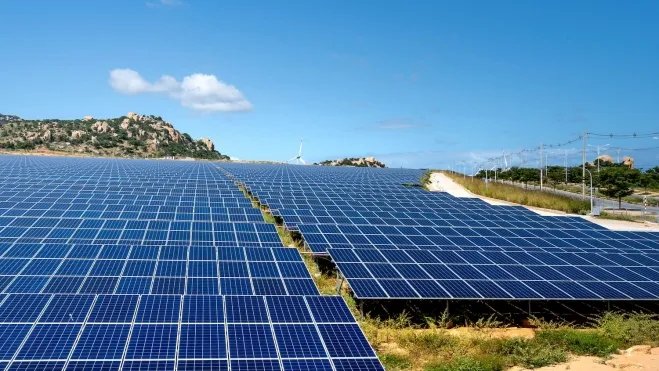
The consequences extend beyond the installations themselves. When an electrical grid faces constraints, new projects may encounter connection difficulties, administrative delays, or higher costs to integrate their power output. As a result, increasing installed capacity is no longer sufficient to ensure that renewable energy continues to grow at the same pace.
The Chamber believes that China’s slowdown will have direct impacts on global figures. “I don’t think the capacity expansion in other parts of the world this year will offset China’s slowdown,” she said in remarks cited by Reuters.
The problem is not limited to the Asian giant either. Countries like Australia and Japan are facing difficulties in adapting their power grids to the growth of renewable energy installations, especially in areas where new projects are located far from major demand centers.
The world might install fewer renewables in 2026
IRENA’s warning comes after a historic year for renewable energy. According to its official statistics, 692,000 MW of new capacity from solar, wind, hydroelectric, and other renewable technologies was installed in 2025, raising the world’s total capacity to 5,149 GW. This represents a 15.5% increase compared to the previous year, with renewables accounting for 85.6% of all new power capacity added to the global system.
Growth has been particularly rapid in recent years, rising from approximately 302 GW of new capacity in 2022 to 493 GW in 2023 and 584 GW in 2024, before reaching a new record in 2025. However, Francesco La Camera, IRENA’s executive director, believes this string of record highs may come to an end in 2026. Although he did not provide a specific forecast, he warned that new installations are likely to be lower than those recorded last year.
This does not mean that global renewable capacity will decline, but rather that it may grow at a slower pace. The main problem is that electricity transmission and distribution networks are not advancing at the same rate as solar and wind installations. This situation makes it difficult to utilize all available electricity and can lead to production restrictions, delays in new projects, and higher costs for energy operators.
In light of this situation, IRENA believes it is essential to modernize electrical infrastructure and expand storage systems using batteries and reversible hydroelectric plants. These technologies can help make use of excess renewable energy, but they do not replace the necessary investments in power grids. Countries like China, which have led the global expansion of clean energy, are already facing these limitations, which could affect the sector’s growth in the coming years.