
The battery specs that can transform electric cars: 381 Wh/kg and up to 1,000 km of range
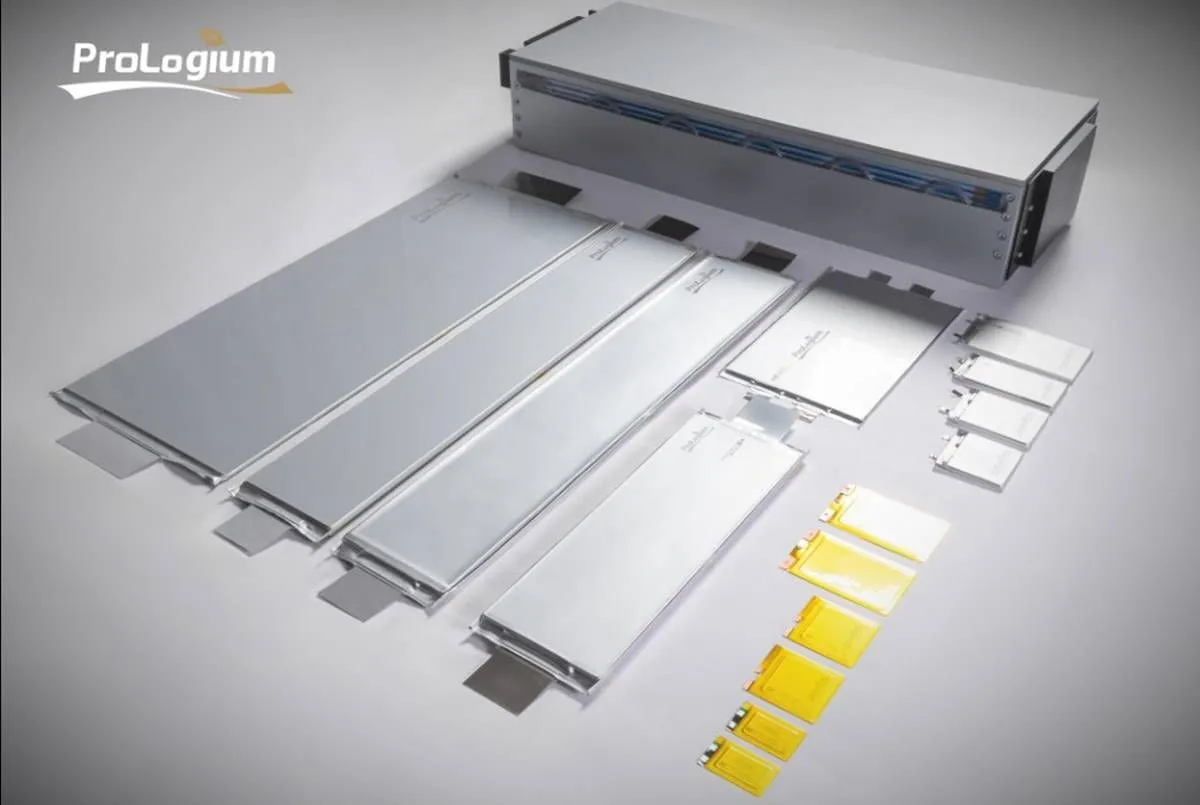
Just a few days ago, we discussed the significant step taken by ProLogium with the start of mass production of its new Gen 3.5 battery, which boasts an energy density of 381 Wh/kg and 903 Wh/l at the cell level. In that article, we covered the technology, its connection to Mercedes-Benz, and the enormous challenge of bringing a battery with such specifications from still-limited production lines to mass-produced electric vehicles.
But there is one question everyone has: what do those 381 Wh/kg really mean for electric cars? While the figure seems impressive on paper to many, it is completely unknown to others, as it alone does not mean that we will have models capable of traveling 1,000 kilometers on a single charge by tomorrow.
The reason is simple. The 381 Wh/kg applies to the cell alone, while a complete pack needs to include a structure, cooling system, connections, protection systems, and electronic management. All of these components add weight, resulting in a lower overall energy density. Therefore, to assess the true impact of this technology, it is much more interesting to imagine what would happen if a significant portion of that advantage were ultimately reflected in the pack.
Currently, the best battery architectures have already managed to significantly reduce the gap between cell density and the density of the entire pack installed in vehicles. For example, CATL claims 330 Wh/kg at the cell level and 265 Wh/kg at the pack level for its Qilin NMC battery. This is a substantial difference, but it also shows that an increasing portion of the stored energy can be utilized within the vehicle.
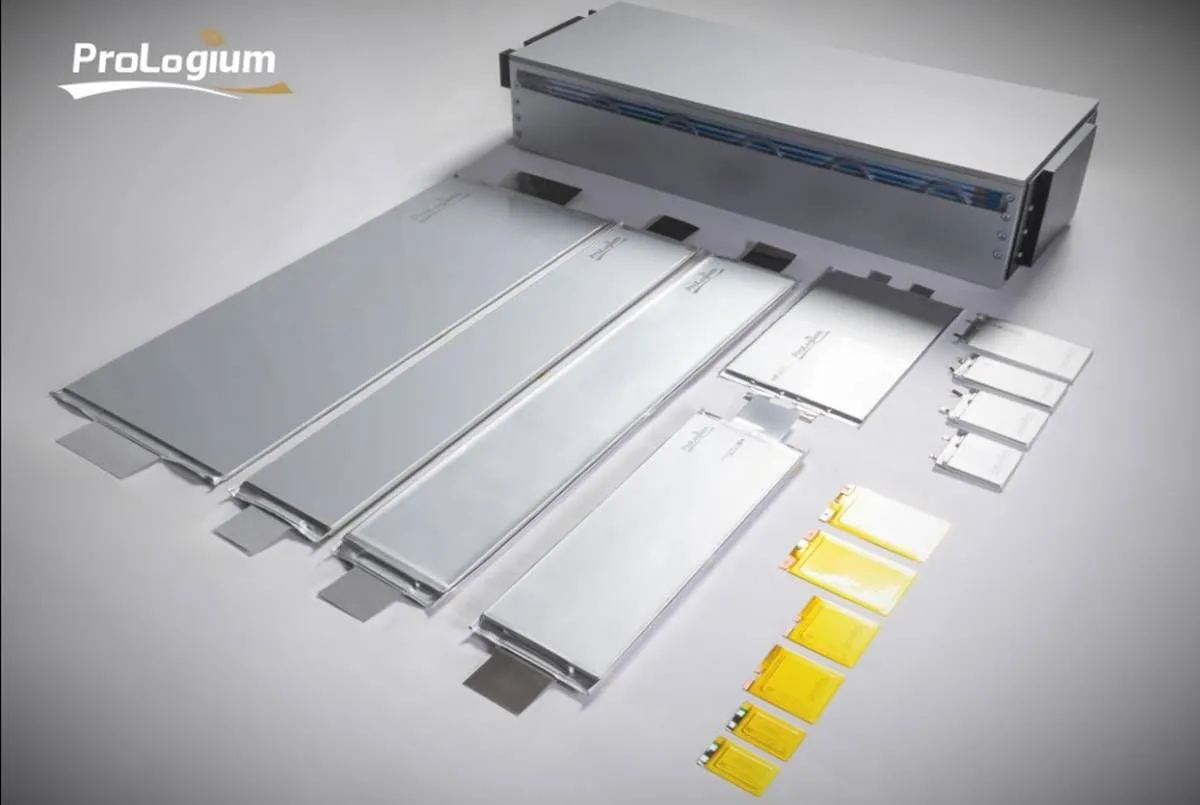
If, in the future, a solid-state battery could achieve around 300 Wh/kg at the pack level, the possibilities would be enormous. An 80 kWh battery that currently requires about 400 kilograms could store the same amount of energy with only around 267 kilograms. Or, while maintaining roughly the same 400 kilograms, it could store nearly 120 kWh.
And here comes the first major consequence. Manufacturers don’t have to use all of the density gain to increase range. Part of it could be used to reduce the car’s weight, which in turn would lower consumption and allow for more mileage with the same amount of energy.
In other words, a more dense battery can have a multiplier effect. Less weight means lower consumption; lower consumption means that a given capacity allows for longer driving distances; and this can make it unnecessary to install even more batteries.
How far could current electric cars go?
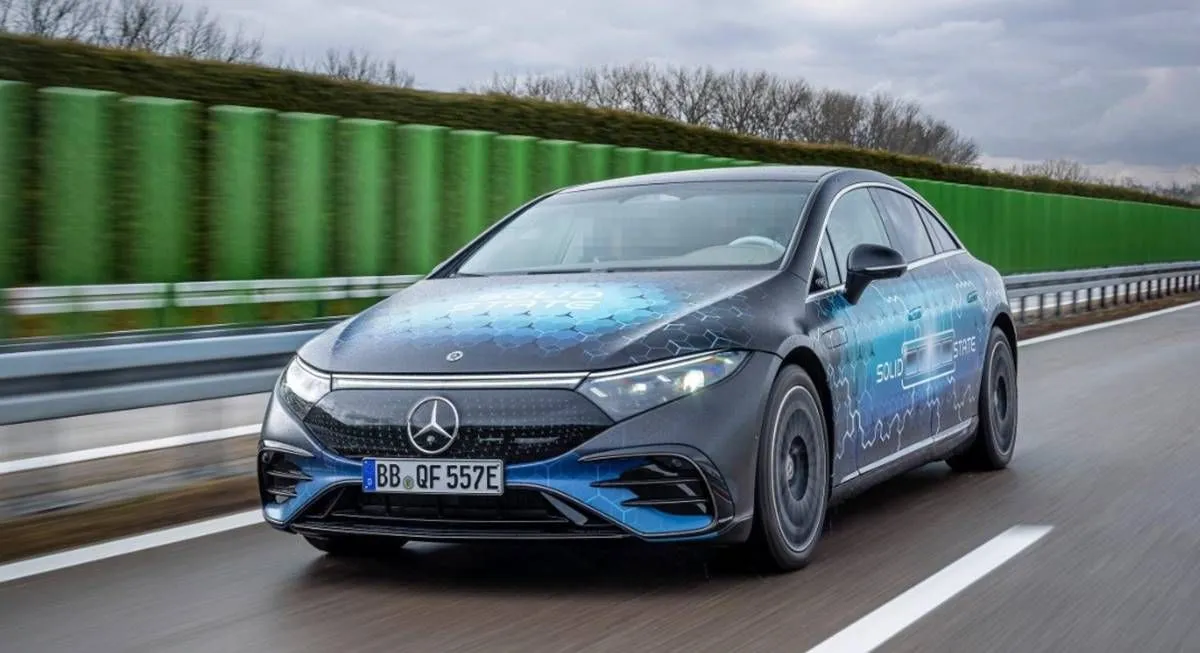
We can apply these figures to existing models. Imagine an electric car that currently uses a battery of around 80 kWh and achieves approximately 500 kilometers of range thanks to good aerodynamics and low energy consumption. If it could use a 100 kWh battery while maintaining almost the same weight as its current pack, the range could increase significantly.
It wouldn’t be unreasonable to expect 600-700 kilometers of range in efficient models, while electric sedans with particularly optimized aerodynamics could approach 800 kilometers. In the most efficient vehicles, a 120 kWh battery might even enable ranges close to 1,000 kilometers, though many other factors come into play here.
Consumption is precisely the factor that determines how far this technology can go. A sedan that uses 13 kWh per 100 kilometers needs 104 kWh to travel 800 kilometers under ideal conditions. A large SUV that consumes 20 kWh per 100 kilometers would require 160 kWh to cover the same distance.
That’s why we won’t automatically see electric SUVs with 1,000 kilometers of range just because batteries with 381 Wh/kg have been developed. Energy density addresses part of the problem, but aerodynamics, tires, weight, temperature, and the efficiency of the propulsion system will still be decisive factors.

A good example of what can be achieved by combining all these elements is the Mercedes-Benz VISION EQXX. The German brand’s prototype managed to cover over 1,000 kilometers on the road using a relatively compact battery thanks to its exceptionally low energy consumption. Mercedes-Benz recorded an energy usage of just 8.7 kWh/100 km during one of its tests.
With much more dense battery technology, this concept could be adapted for production vehicles. There would be no need to install a giant battery to achieve long range. A 100-120 kWh battery in an extremely efficient sedan could be sufficient to reach levels that were until recently reserved for prototypes.
But perhaps the most significant change will be another: electric cars won’t necessarily have to come with increasingly larger batteries.
In recent years, we’ve seen the capacity of battery packs grow steadily. The largest models now exceed 100 kWh, and some manufacturers have even opted for even higher capacities to offer extended range. The advent of much denser batteries could reverse this trend.
Instead of upgrading from 80 to 120 kWh to achieve more range, a manufacturer could keep a battery at 80-90 kWh while significantly reducing its weight. This would bring advantages in terms of consumption, performance, handling, and efficiency. It would also allow for a reduction in the amount of materials needed per car.
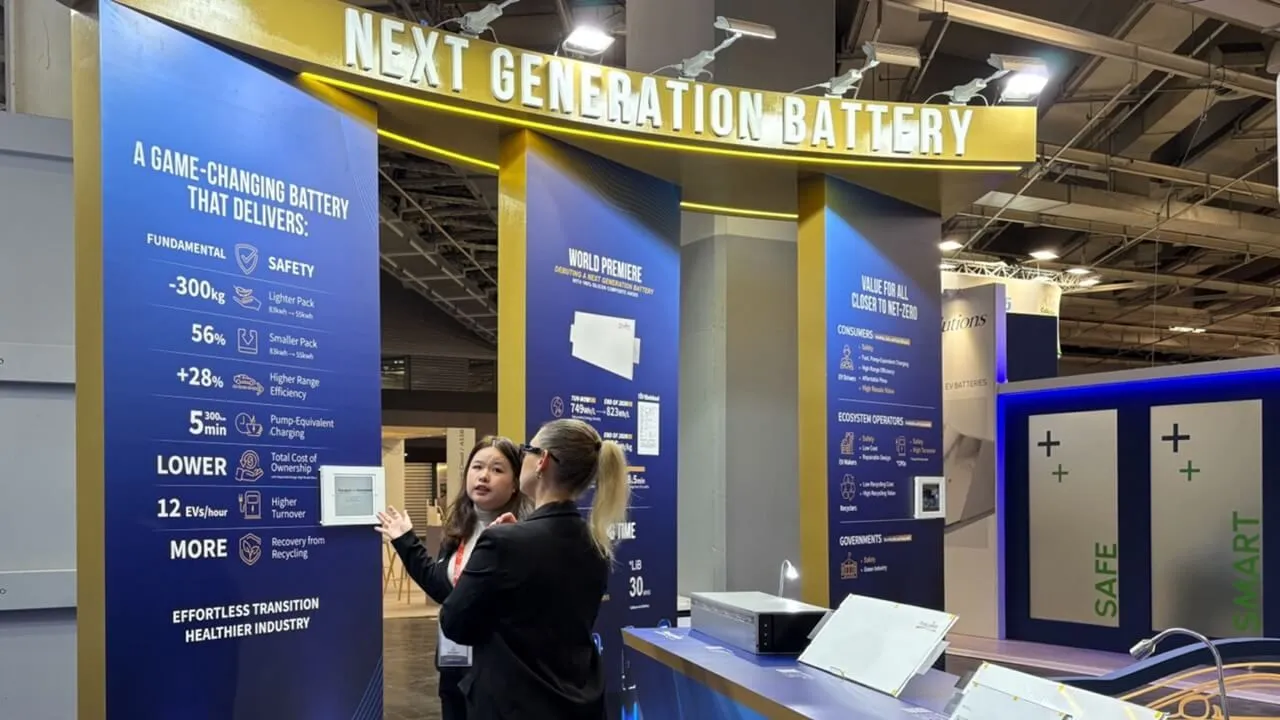
ProLogium’s announced volumetric density of 903 Wh/l opens up another possibility as well. In an electric vehicle, the space available for the battery is limited, and increasing the energy stored within the same volume allows for higher capacity without requiring more space under the cabin.
Rapid charging could also benefit from this advancement. A battery with higher energy density may enable longer driving ranges after a relatively short stop, provided the manufacturer can combine it with high charging power and proper thermal management.
We need to be especially cautious here. ProLogium has announced capabilities aimed at fast charging, but we still need to see how a full pack will perform in a car over thousands of cycles, in both winter and summer, and after years of use. The real test of a battery isn’t just how much energy it stores when new, but how much it retains after extended use.
And that will be the next major challenge for ProLogium. The Gen 3.5 has already crossed an important milestone by entering production, but the Taoyuan factory still operates on a small scale compared to the huge conventional battery plants. The next step will be to produce these cells in large quantities, with consistent quality and at a price point that makes them suitable for use in cars that aren’t luxury models.
The future factory in Dunkirk will be particularly important in this regard. Its first phase includes a capacity of 4 GWh, with the project designed to reach up to 44 GWh. If the company manages to bring Gen 3.5 features there while keeping costs under control, we will be witnessing a much more significant achievement than any figure obtained from a single cell.
And this is where Mercedes-Benz comes into play again. The German brand has maintained a technological partnership with ProLogium since 2022 and has been working on next-generation batteries for years. If this technology passes industrial testing, Mercedes will be one of the manufacturers most interested in leveraging this increase in density for its future electric vehicles.
Therefore, the 381 Wh/kg figure should not be interpreted as an immediate guarantee of electric cars with a range of 1,000 kilometers. It is something more interesting: a sign that the industry is beginning to reach a point where energy density can change not only range but also the weight, size, and efficiency of electric cars.
If a significant portion of those 381 Wh/kg makes it into the battery pack, a car that currently offers 500 kilometers could aim for 600-700 kilometers without increasing weight too much. The most efficient models could approach 800 kilometers, and with an especially favorable combination of aerodynamics, consumption, and capacity, 1,000 kilometers might stop being a figure reserved for prototypes.
That is the real advantage of ProLogium’s battery. It’s not just about achieving more kilometers by adding more kWh, but about ensuring that every kilogram and every liter of battery stores much more energy. And if the industry manages to turn this advantage of the cell into a real advantage in the complete vehicle, the improvement could be much greater than what a simple Wh/kg figure suggests.
