
Silicon cells exceed 1,000 cycles and bring batteries with longer endurance.
Increasing the range of an electric car shouldn’t always rely on installing a larger and heavier battery. One way to avoid this is by boosting energy density. Silicon has long attracted interest in this regard, though it also presents a difficult challenge: maintaining its performance after many charge and discharge cycles.
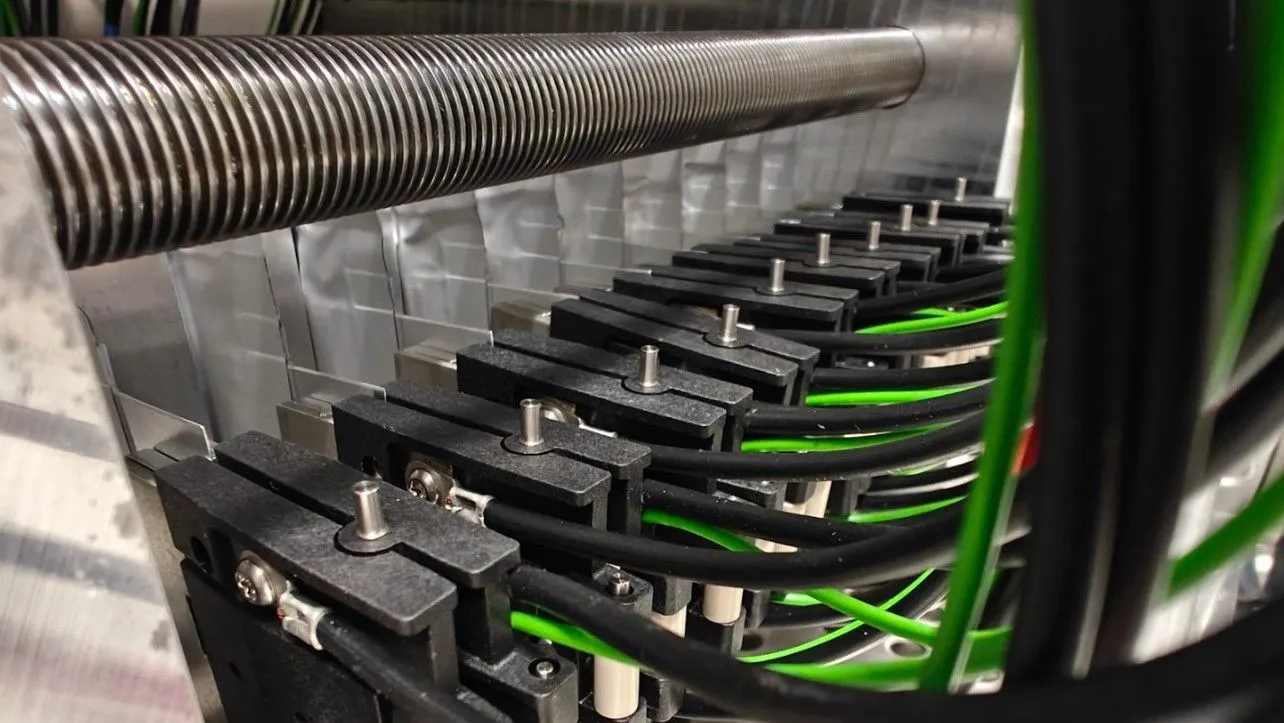
The German institute Fraunhofer ISE has made progress in this area through the StrOboBatt project. Its researchers have developed pouch-shaped cells with a capacity of 25 Ah and silicon-rich anodes that have survived over 1,000 full cycles while retaining more than 83% of their initial capacity. This is a significant achievement for a technology whose energy potential has been limited by degradation issues.
A full cycle does not mean plugging in the car once. It refers to charging and discharging an amount of energy equal to the battery’s total capacity, which can be achieved through several partial charges. Therefore, this type of test allows for the study of durability under use, though it alone does not determine how many years or kilometers a battery pack installed in a car will last.
Silicon enables storing more energy, but requires control over its expansion
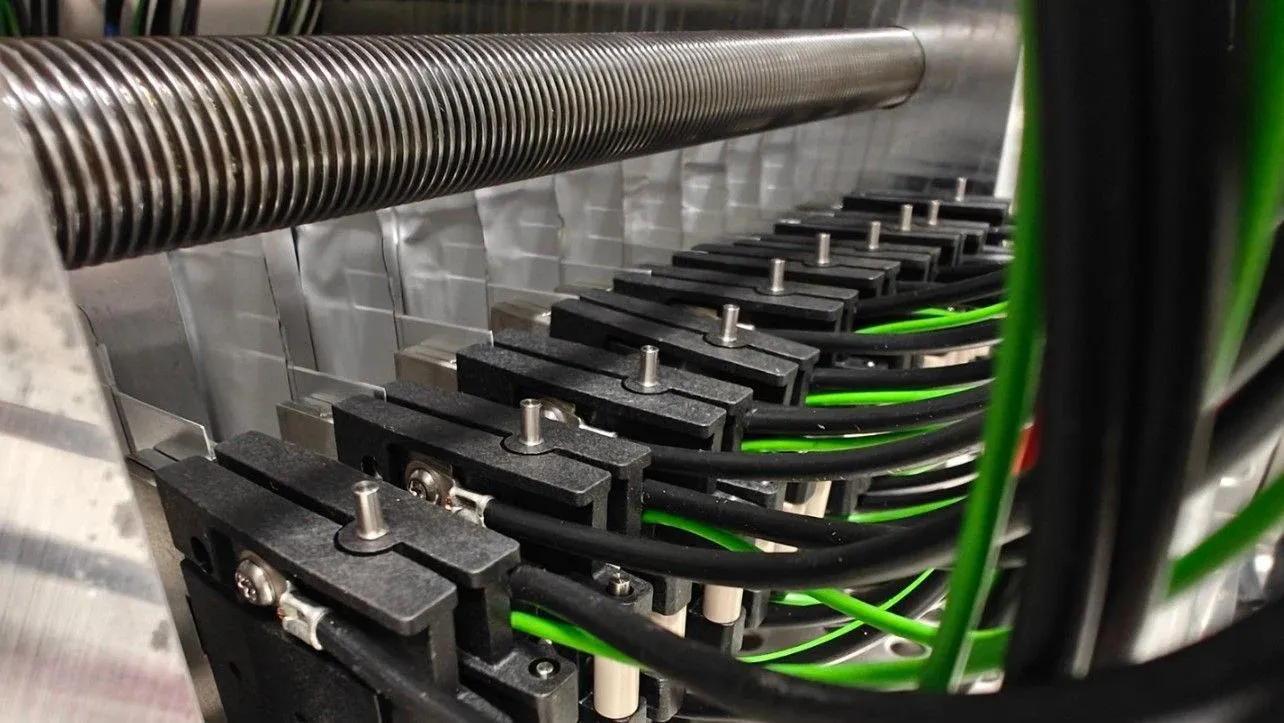
The advantage of silicon lies in its ability to store lithium, which is much higher than that of graphite commonly used in anodes. The drawback appears during charging: its volume can increase by up to 300%, before contracting again when discharging. Repeating this expansion and contraction subjects the electrode to considerable stress, which can damage its internal connections and accelerate aging processes.
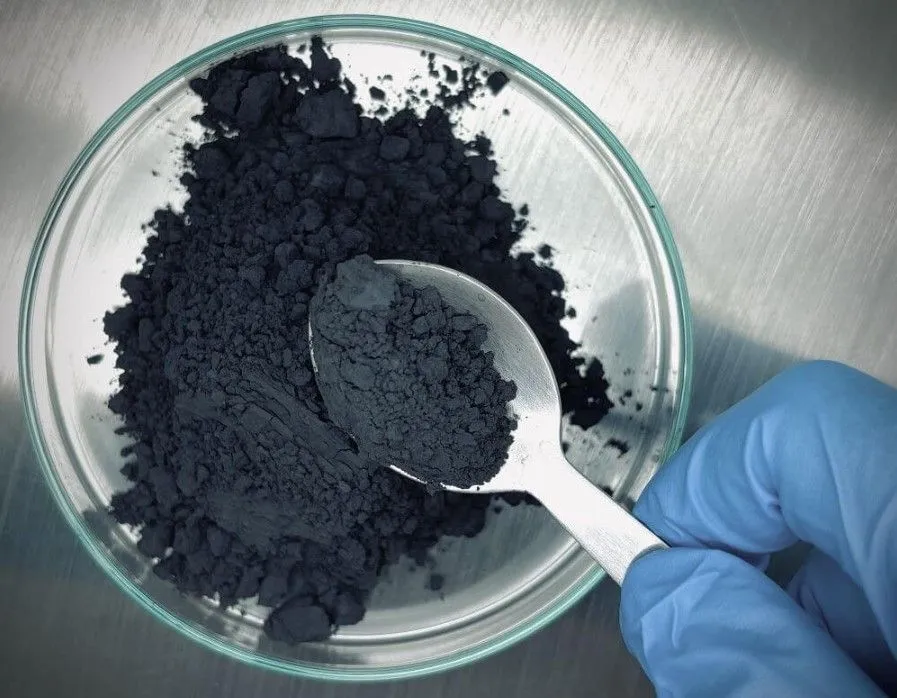
To address these issues, researchers used a material composed of silicon and carbon combined with graphite. This composite makes up 51% of the anode’s active material, a crucial detail—this does not mean that half of the anode is pure silicon. The entire structure is combined with a nickel-rich NMC cathode.
This has a practical consequence for manufacturers. It’s not enough to develop a material capable of storing large amounts of energy; it must also be integrated into a battery that maintains the appropriate conditions during operation. The holding elements, cooling systems, and protective measures also take up space and add weight, so the advantages gained from a single cell must be verified in the complete battery pack.
The tests also revealed a growing gap between the capacity measured under light discharge conditions and that available when the cells were subjected to greater stress. This is a significant factor for electric vehicles, where energy demands change continuously. Maintaining capacity in a laboratory test does not guarantee that it will remain usable in the same way under more demanding loads.
The measured energy density was 280 Wh/kg, while the institute estimates that an optimized industrial format could reach approximately 330 Wh/kg. The second figure is a prediction, not a result already demonstrated in these cells. There is an improvement of nearly 18% between the two, although that would not automatically translate into 18% more driving range for the car.
To understand the potential, we can use a simple example. If a future battery pack could increase from 75 to 100 kWh while maintaining its weight and the car retained the same consumption, the driving range would increase by about 33%. A range of 450 kilometers would become around 600 kilometers. This is a mathematical illustration of the desired advantage, not a driving range measured by Fraunhofer nor an improvement guaranteed by this test.
There is another equally interesting option: maintaining capacity while reducing the battery’s weight. For a buyer who already has sufficient range, this choice might be more useful than continuing to increase theoretical mileage. The decision will depend on how much it costs to manufacture these cells and how they perform once integrated into a car.
The project also adds an European industrial dimension. Replacing some graphite with silicon compounds could help diversify material supplies and shift part of this activity to Europe. This doesn’t eliminate the need to process them with quality and at a competitive price, but it opens a path to reducing dependencies.
There is still work to be done before finding this solution in a production model. It will need to be proven that it retains its advantages in a package, under different temperatures, and over years of use. The next step will be to ensure that these good results hold outside the laboratory, without the weight and cost of keeping the cells under control undermining the improvements.
Source | ise.fraunhofer