
Ultra-lightweight road electric bicycles with motors that provide limited power are popular: here are the 5 most highly recommended ones
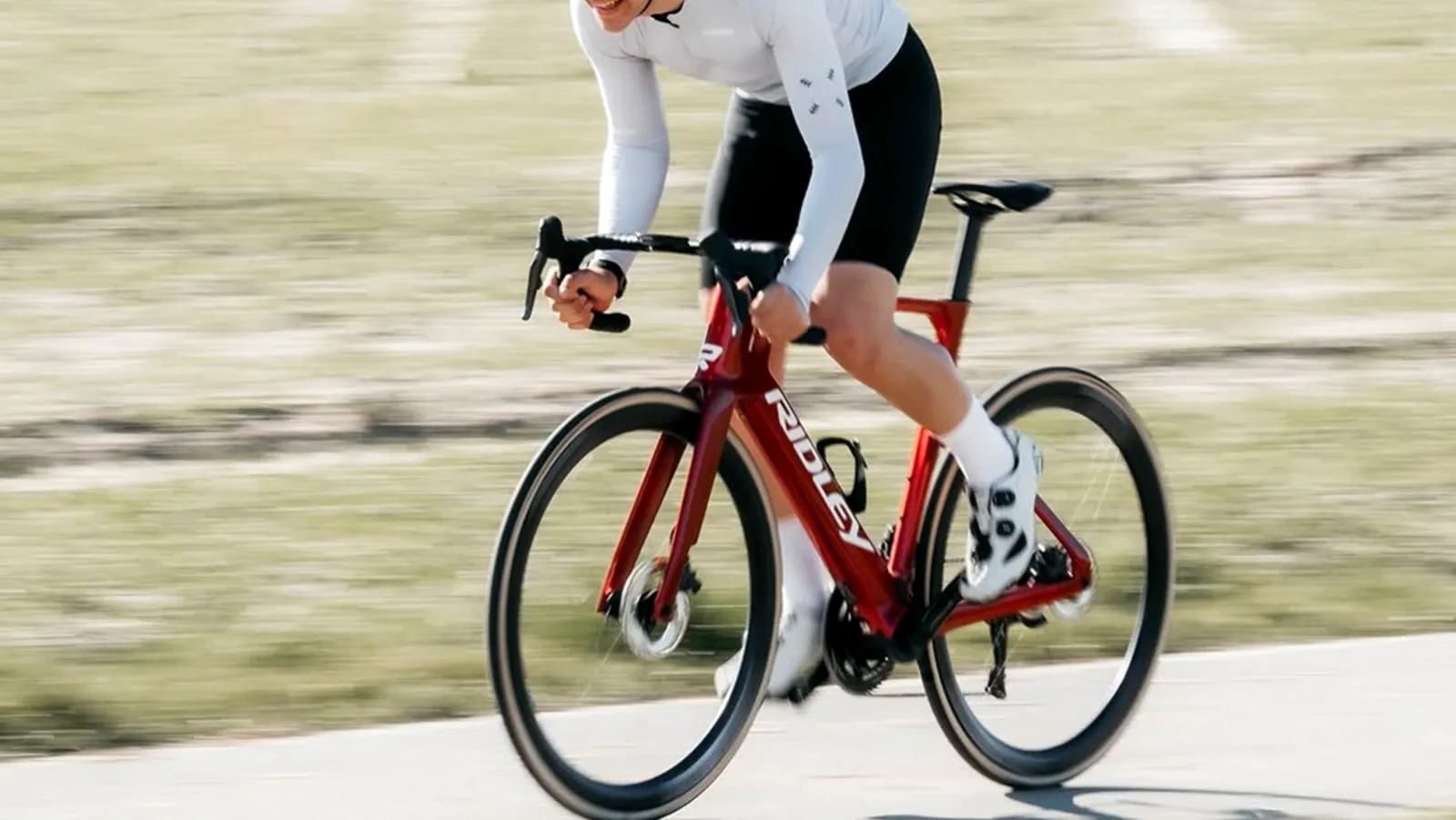
The classification of roads for cycling is quite conservative: and this isn’t only the case with electric bikes; generally, it has been a sport where trends haven’t easily taken hold. In the specific case of eBikes, users have not viewed riding in the usual group using pedal assistance derived from a motor favorably—after all, that made their riders seem like “less cyclists.”
We already know that perception is quite widespread, but for example in the case of mountain bikes, it seems that gradually (fortunately) it is disappearing. And road bikes, though more slowly, are also starting to appear in greater numbers bit by bit. What did this category of electric bikes need? Bikes that didn’t look electric. And the brands are aware of this, launching models that don’t resemble eBikes.
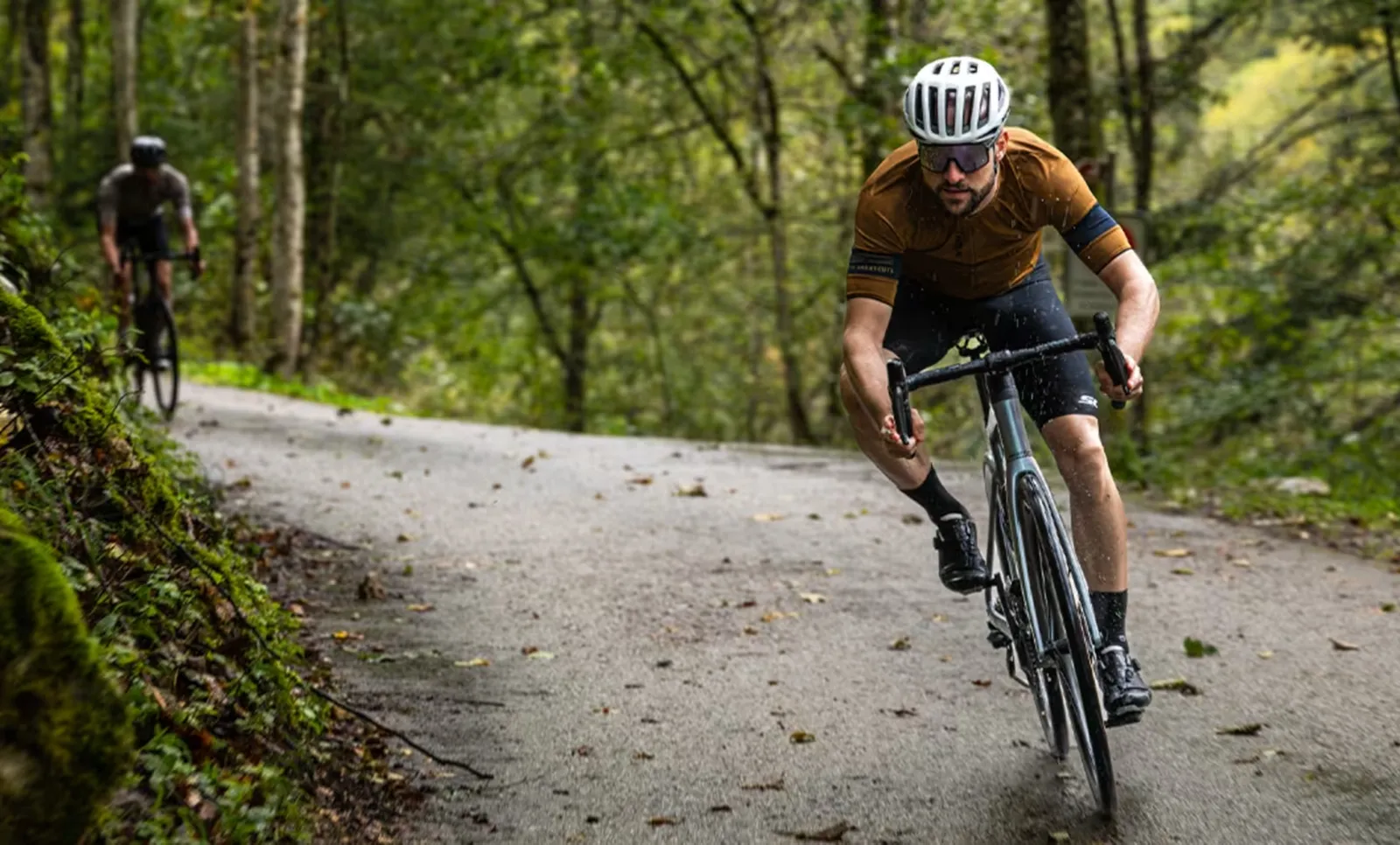
What does an electric bike need to succeed on the road?
Looking at the catalogs of the most innovative manufacturers, we can see that they are making genuine efforts to offer road models that cater to users who want to enjoy the advantages of an electric bike without standing out from group riders who do not use eBikes. To achieve this, an e-Road bike must:
Have a frame on par with a ‘muscular’ bike: what is most sought after in this category are carbon frames, which a quality e-Road bike should have. Its geometry cannot differ much from that of a ‘muscular’ bike to ensure comparable performance. However, the presence of a motor allows for a greater range, so most manufacturers are creating eBike frames with a Gran Fondo design, featuring more relaxed (comfortable) geometries.
Minimalist motor and battery: except on steep climbs, riding a road bike at speeds over 25 km/h is extremely easy. Therefore, an electric bike must be able to keep up with this pace, which leads to two key considerations: first, we don’t need much power from the motors, only a slight boost to climb hills. This means batteries with very high capacity aren’t necessary either. Second, all of this helps reduce weight, which is essential for pedaling effectively when there’s no power assistance. Additionally, this low weight contributes to the point mentioned earlier that e-road bikes need to have performance on par with traditional “muscle” bikes.
Stunning equipment: road bike users are becoming increasingly demanding when choosing a new bike. In this category, exclusive models with top-tier (and expensive) equipment are highly sought after. It’s not that mid-range bikes aren’t sold, but high-end models are in very high demand. That’s why for an e-Road bike to succeed, it must offer highly exclusive models, and we’re already starting to see them.
Our selection
We have searched and evaluated various models to present in this report those we consider most suitable for success: we didn’t limit ourselves to specific ranges, but instead selected directly the model from each range that best meets the characteristics we mentioned earlier. There are 5 models chosen: BMC Teammachine 01 AMP TWO (9,999 euros), Canyon Endurace:ONfly SUB-10 (9,999 euros), Ridley E-Noah Ultegra Di2 (starting at 7,999 euros), Scott Fastlane 10 (7,999 euros), and Trek Domane+ SL 9 AXS (8,999 euros).
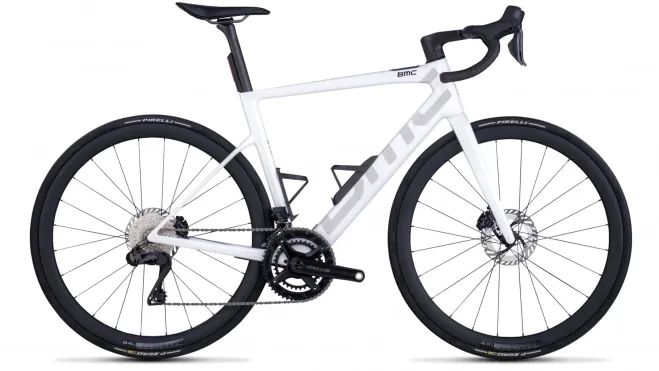
BMC Teammachine 01 AMP TWO (9,999 euros)
We chose the Teammachine AMP over the Roadmachine AMP because it offers a more athletic riding approach: it features a very lightweight and low-power unit, making it almost akin to a “muscular” bike. As usual, it exudes BMC’s signature exclusivity—its frame was crafted from the brand’s 01 Premium carbon fiber, which provides an excellent stiffness-to-weight ratio. Although not the most exclusive model in the Teammachine AMP series, it still weighs quite lightly: only 10.2 kg. Its focus is on pure, high-performance riding, with a geometry that differs very little from that of the brand’s non-electric models.
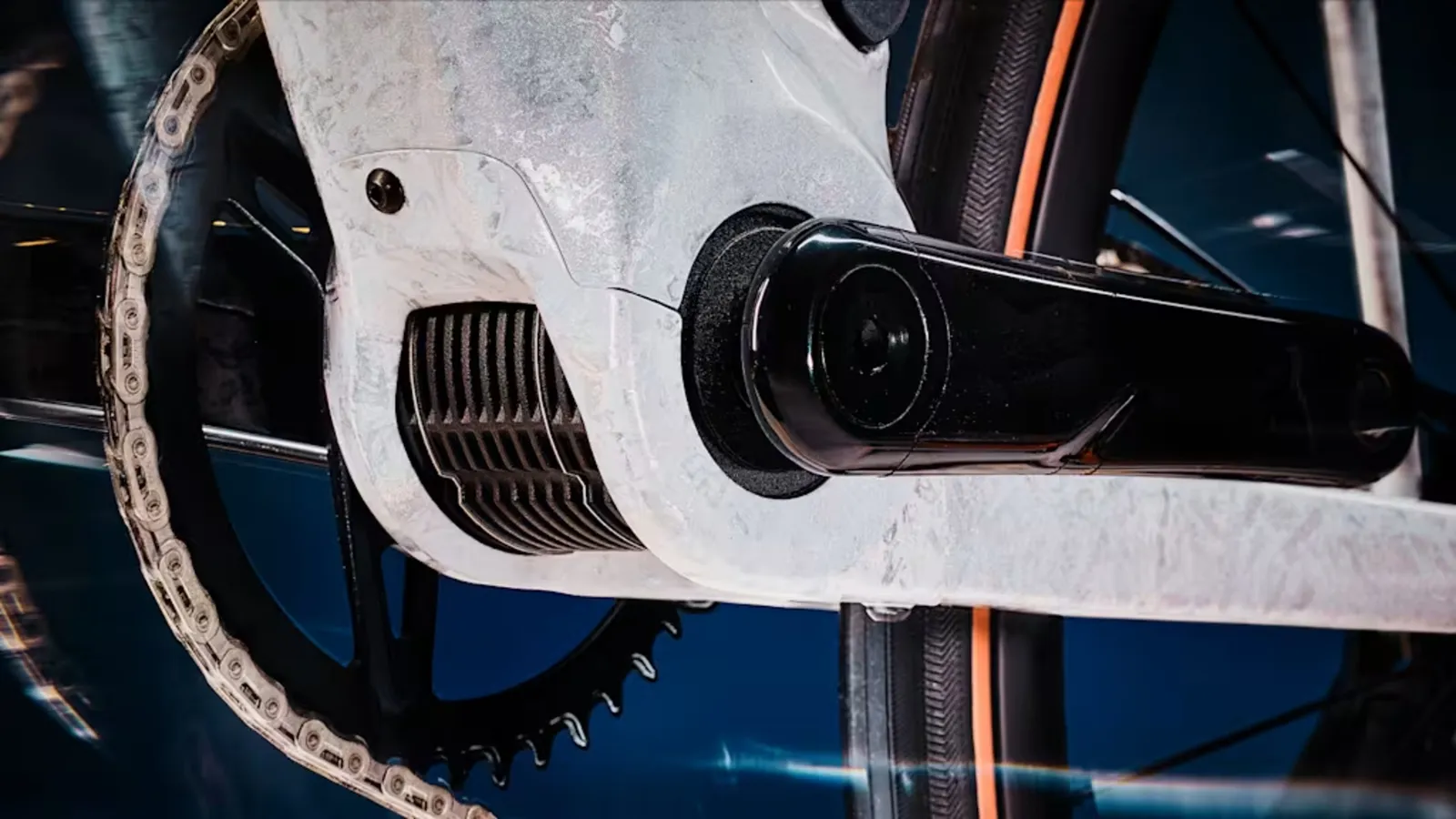
The power unit installed is the currently popular one for this type of bicycle: it’s the TQ HPR40 motor, a central motor that weighs as much as a wheel hub (only 1,170 g) and offers very modest specifications (maximum power of 200 W and 40 Nm of torque) so that the cyclist can still experience a riding feel close to that of a traditional bike. As a typical modern motor, its power output can be customized through the app. The battery is the lightweight TQ 292 Wh battery, which can optionally be supplemented by a 160 Wh Range Extender.
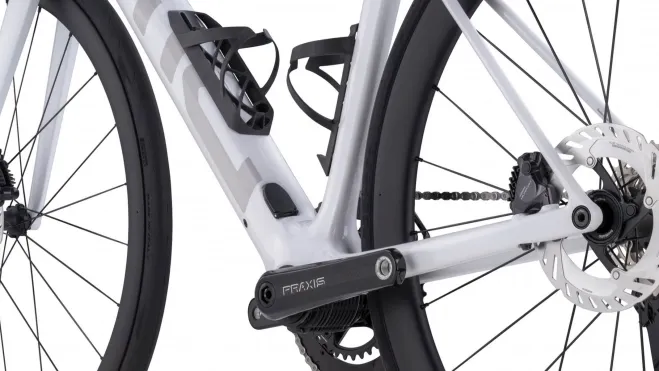
The equipment is “powerful”: Shimano Ultegra Di2 electronic transmission (2x12), CE 40 SL Carbon carbon wheels (with 34 mm wide tire rims), ICS Carbon Evo integrated carbon handlebar, or Teammachine SLR 01 Gen 5 carbon stem with built-in light, all of which complete an electric bike that lives up to the glorious history of the Teammachine name.
Technical specs
Frame: 01 Premium carbon fiber // Motor: TQ HPR40 // Battery: TQ 292 Wh // Transmission: Shimano Ultegra Di2 (50-34d crankset / 11-34d cassette) // Wheels: CE 40 SL Carbon // Tires: Vittoria Corsa N.EXT 700x34 // Handlebar: ICS Carbon Evo // Weight: 10.20 kg // More information at: BMC Teammachine AMP 01 TWO
Canyon Endurace:ONfly SUB-10 (9,999 euros)
The Canyon proudly displays in its name its status as an electric road bike weighing under 10 kg: this special Endurace:ONfly SUB-10 weighs just 9.86 kg, an outstanding figure. To achieve this, the German brand has created a superb carbon frame weighing less than 1 kg (specifically 949 g in size M), which it has paired with high-quality components.
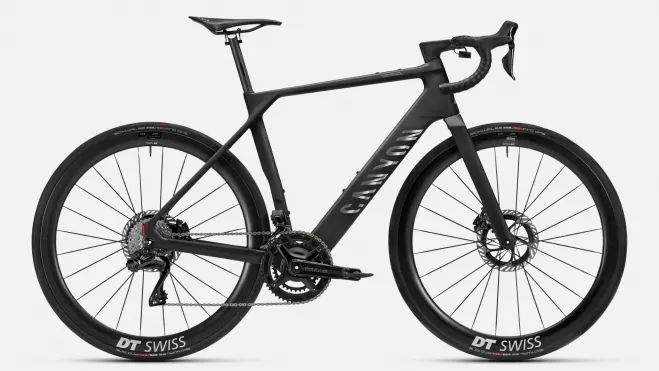
This bike is designed for competition (as competitive as an eBike can be), featuring an aggressive geometry that makes it a highly responsive ride. As mentioned earlier, it aims to be a “muscular” bike with a slight boost in power. For this slight power boost, they’ve also relied on the lightweight TQ HPR40. Again, it offers a maximum power of 200 W, a motor torque of 40 Nm, infinite adjustments, and a 292 Wh battery that can be supplemented by a 160 Wh range extender.
The equipment is highly exclusive, as it not only helps reduce weight on the scale but also delivers impeccable performance befitting a motorless bike: for example, it features a lightweight Shimano Dura-Ace Di2 (2x12) transmission, DT Swiss ERC 1100 Dicut carbon wheels, and high-quality carbon fiber components elsewhere. Other details that make the Endurace:ONfly SUB-10 suitable for long rides include the lighting setup and a GPS tracker powered by the motor’s own battery.
Technical specs
Frame: carbon fiber // Motor: TQ HPR40 // Battery: TQ 292 Wh // Transmission: Shimano Dura-Ace Di2 (cranks 50-34d / cassette 11-34d) // Wheels: DT Swiss ERC 1100 Dicut // Tires: Schwalbe Pro One Evo Tube Type 700x28 // Handlebars: CP0048 PACE T-Bar // Weight: 9.68 kg // More information at: Canyon Endurace:ONfly SUB-10
Ridley E-Noah Ultegra Di2 (starting at 7,999 euros)
Ridley claims to be the first brand to launch a fully Aero-designed electric bike, and looking at the new E-Noah Ultegra Di2, we agree. The carbon fiber frame features a design inherited from the non-motorized Noah, with massive profiles that perfectly conceal its eBike nature: while in slimmer frames of “light” electric bikes the motor-battery combo is hardly noticeable, it’s completely invisible on this E-Noah...
And once again, we have the undisputed king of lightweight e-Road bikes: the TQ HPR40 engine (200 W, 40 Nm) and the compact TQ battery (292 Wh), with an optional range extender (160 Wh). This lightweight combination, along with the superb construction of the frame, has resulted in a weight of under 11 kg (Ridley does not specify the exact weight), a remarkably impressive figure for an Aero model.
The equipment can be as high-end as our budget allows: we chose the Ultegra Di2 finish, which naturally comes with Shimano’s electronic drivetrain. But with enough money, we can build the bike of our dreams. There are various designs and colors available for decorating the frame. We can opt for up to 3 wheel configurations (the exclusive DT Swiss ARC 1600 or Zipp 303S stand out, both costing an additional 899 euros), integrated carbon handlebars, different fork and saddle options—essentially, a long list that can enhance the exclusivity (and drive up the price) of Ridley’s already exclusive E-Noah.
Technical specs
Framed: carbon fiber // Engine: TQ HPR40 // Battery: TQ 290 Wh // Transmission: Shimano Ultegra Di2 (rims 50-34d / cassette 11-34d) // Wheels: DT Swiss ERC 1600 // Tires: Vittoria Corsa N.EXT 700x30 // Handlebars: Forza Stratos Pro // Weight: +- 11 kg // More information at: Ridley E-Noah Ultegra Di2
Scott Fastlane 10 (7,999 euros)
The Swiss brand made its debut earlier this year with this bike, a worthy successor to the motorless Addict: the new Fastlane is a climbing-oriented bike with a geometry that matches the Addict’s exactly. It is in these details that the manufacturers’ recent efforts are evident. Visually, it features a very lightweight frame (HMX carbon fiber), which is confirmed by the stated weights: our 10 model weighs 10.6 kg on the scale.
We once again see the TQ HPR40 motor (200 W and 40 Nm), which proves ideal for this new wave of lightweight bikes, replacing the previous chain-driven motors. What stands out is how it’s integrated into the frame, giving the impression of a bike without a motor. The battery has a capacity of 292 Wh, and like on other bikes, a range extender is available as an option.
It may not have top-tier finishes, but this Fastlane 10 is equipped with enough features to stand out in our group: the transmission uses Shimano Ultegra Di2 (2x12) electronics, and the wheels are aerodynamic Syncros Capital 1.0 40 carbon fiber wheels. The handlebars and stem are branded by Scott itself under its Syncros line, with a practical built-in light on the stem.
Technical specs
Frame: carbon fiber // Engine: TQ HPR40 // Battery: TQ 290 Wh // Transmission: Shimano Ultegra Di2 (rims 50-34d / cassette 11-34d) // Wheels: Syncros Capital 1.0 40 // Tires: Schwalbe PRO ONE Fold 700x34 // Handlebars: Syncros Creston iC SL // Weight: 10.6 kg // More information at: Scott Fastlane 10
Trek Domane+ SL 9 AXS (8,999 euros)
We chose the top-of-the-line model, which is also the lightest: this Domane+ SL 9 AXS weighs 11 kg on the scale. Its frame is made from the brand’s OCLV500 carbon fiber and is likely the most versatile among all those in this lineup, featuring a wheelbase of up to 40 mm and a more relaxed geometry. Additionally, it’s the only model in this group equipped with an electronic single-chainring drivetrain, specifically a SRAM Red AXS XPLR (1x13), which is easier to handle though with larger gear ratios between chainrings.
This Trek model, one of the latest to arrive, also opted for the TQ motor-battery combo: the HPR40 (200 W and 40 Nm) is responsible for powering this Domane+ SL 9 smoothly. However, more range was prioritized by installing a 360 Wh battery. This is yet another detail reflecting its focus on long-distance riding.
As it is a top-of-the-line model, the equipment is naturally very exclusive, featuring high-quality components such as the transmission and wheel set already mentioned—a Bontrager-designed Aeolus RSL 37 carbon fiber wheel set from Trek. The accessories are also made by Bontrager, with the carbon fiber handlebars and stem standing out. It also includes a lighting set, which is increasingly seen as essential for visibility on the road.
Technical specs
Frame: OCLV500 carbon fiber // Engine: TQ HPR40 // Battery: TQ 360 Wh // Transmission: SRAM Red AXS XPLR (44d crankset / 10-46d cassette) // Wheels: Bontrager Aeolus RSL 37 // Tires: Bontrager Kwaremont 700x35 // Handlebars: Bontrager Pro Riser Carbon // Weight: 11 kg // More info at: Trek Domane+ SL 9 AXS
Summary
These 5 bicycles demonstrate that if a manufacturer wants to sell road eBikes, it must adopt a similar approach: models with designs (and even names) taken from the best traditional road bikes in their catalogs, featuring virtually identical geometries, motors that provide only modest power, and overall weights that don’t differ significantly. And our featured bikes meet these criteria.