
Lanxess commissions battery laboratory for LFP materials in Germany
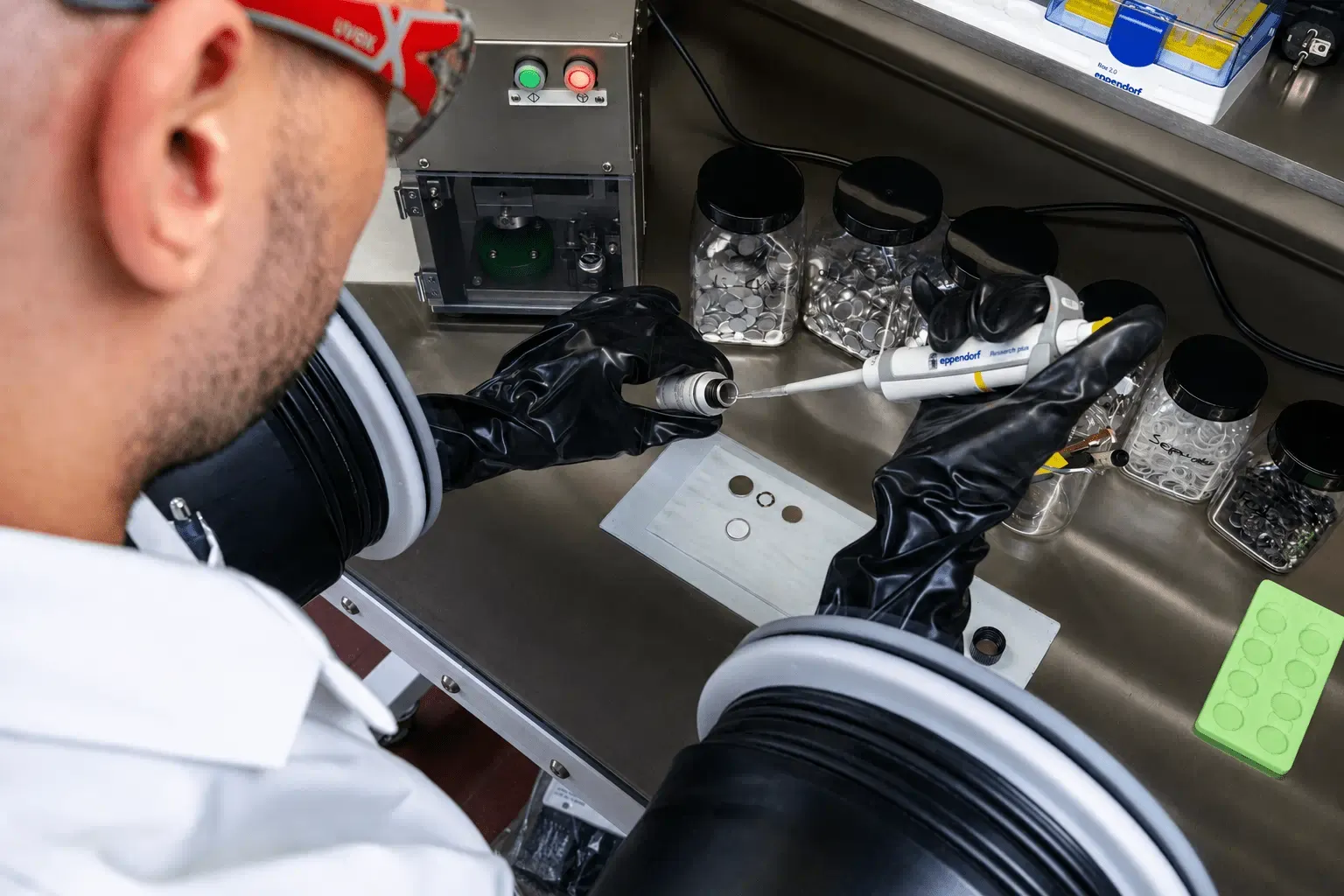
Lanxess has opened a new battery laboratory at its Krefeld-Uerdingen site in Germany. The specialty chemicals company plans to test and further develop its materials for LFP batteries directly in battery cells.
Lanxess is expanding its activities in materials for lithium iron phosphate (LFP) batteries. The new battery laboratory in Krefeld-Uerdingen focuses primarily on iron oxides and iron phosphate that serve as raw materials for LFP cathode materials. With its new equipment, Lanxess says it can directly examine the properties of its materials in cell construction. Among other things, the company aims to investigate the way different grades of iron oxide and iron phosphate affect cell performance, processing, and suitability for specific applications. The company expects this to lead to shorter development cycles and faster evaluation of new materials in collaboration with its customers.
Lanxess has not disclosed details regarding the investment amount, the laboratory’s capacity, or specific customer projects. The company has also not yet provided performance data for the materials being tested there. However, the technical equipment is not limited to LFP technology. According to Lanxess, it can also examine materials for other cell chemistries, such as sodium iron pyrophosphate as a cathode material for sodium-ion batteries.
Lanxess is not new to developing such materials. As early as the beginning of 2024, the speciality chemicals company launched a research cooperation with IBU-Tec. The two companies aimed to further develop iron oxides specifically for LFP cathode materials, enabling improvements in energy density, charging speed, and cycle stability, among other things. The partners have said they aim to establish a European value chain for LFP materials.
In the meantime, Lanxess has, according to its own statements, developed special iron oxide grades for battery applications and introduced them to the market as ‘Battery Grades’. Iron phosphate is yet another precursor for LFP cathode materials. The manufacturing process developed by Lanxess is based on iron and phosphoric acid and is said to produce less saline wastewater than established processes. However, the company does not provide specific comparative figures for this environmental advantage.
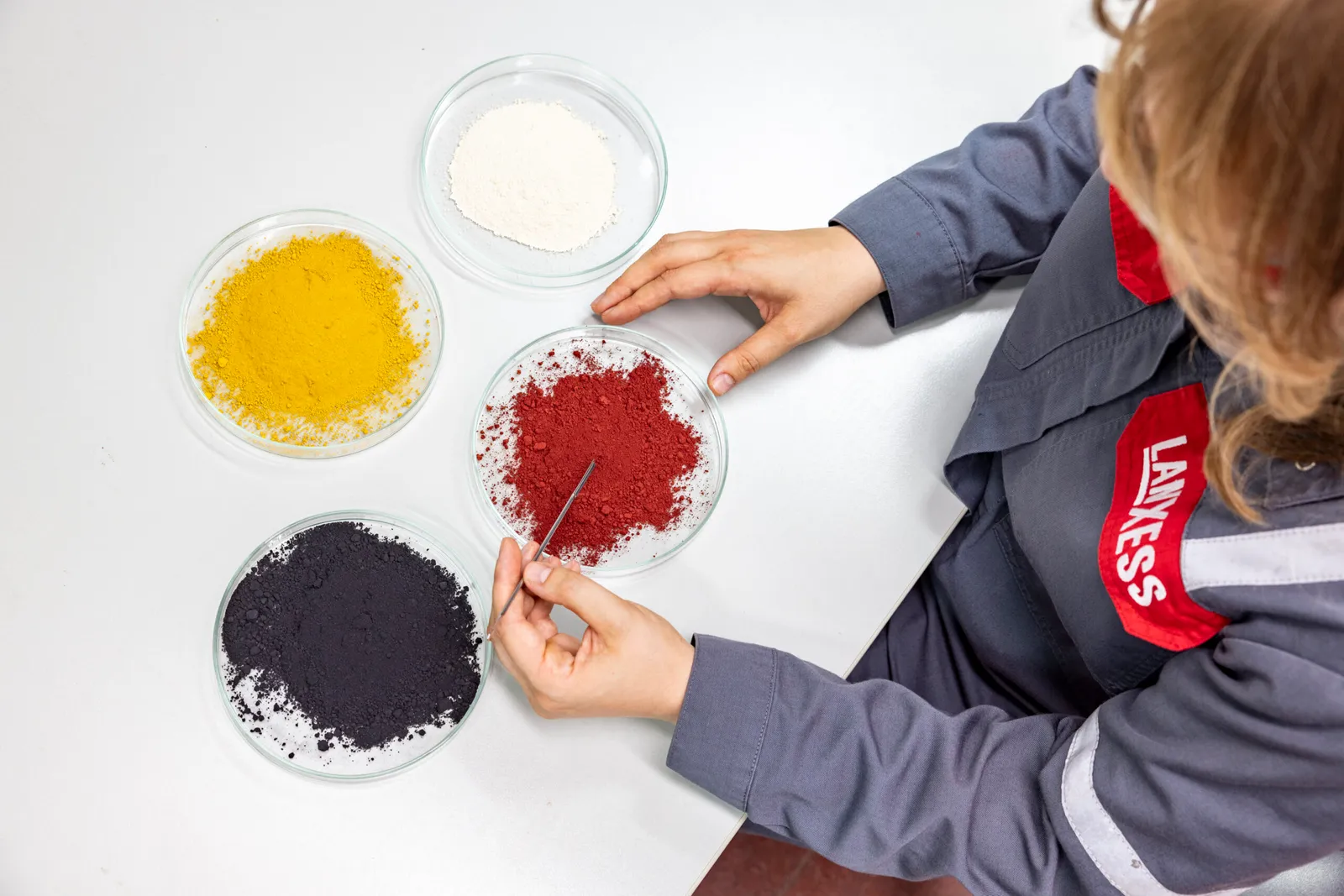
Lanxess continues to expand LFP activities
The new laboratory now complements this material development with its own cell tests. This allows Lanxess to assess its raw materials not only based on their chemical and physical properties but also to investigate how they behave in cell construction. For a chemical company that does not itself act as a cell manufacturer, this is particularly relevant for the development and qualification of its precursor materials.
The company’s expansion is also driven by the growing importance of LFP chemistry. Lanxess refers to figures from Roland Berger, according to which LFP batteries could achieve a market share of 50 per cent in Europe by 2030, compared to around ten per cent today. In addition to electric cars, the company sees stationary energy storage systems, data centres, and critical infrastructure as further growth drivers.
At the same time, Lanxess aims to position itself as a supplier for Western battery value chains with its materials. The company already has large-scale iron oxide production and describes itself as a leading Western manufacturer of the material. The company’s current public statement does not specify the size of the production capacities for battery applications or the extent to which its Battery Grades are already being used commercially.
Beyond LFP precursors, Lanxess is already active in other areas of the battery value chain. The German company’s portfolio includes, among other things, chemicals for electrolyte salts, ion exchange resins for the extraction and refining of lithium, nickel, and cobalt, as well as solutions for thermal management and flame retardancy. For battery recycling, the company also offers process chemicals and ion exchange resins for the processing of black mass, metal recovery, and wastewater treatment.
With the new battery laboratory, Lanxess primarily aims to expand its development and testing expertise for battery materials. It remains to be seen whether this will also lead to larger production volumes or specific supply contracts for LFP precursors.