
ANFA provides information on training programs for electric vehicles
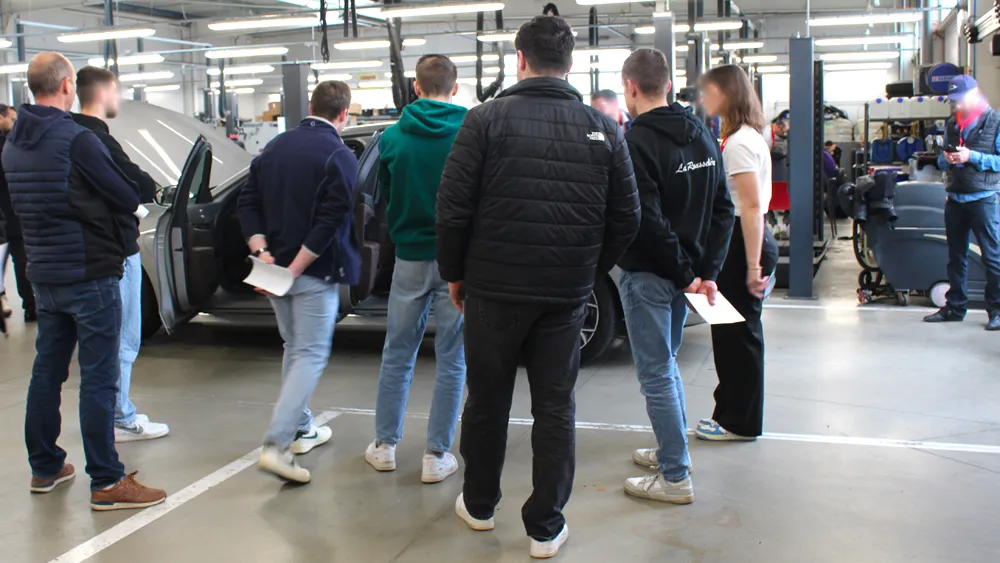
In its free-to-download Autofocus newsletter No. 126 from November 2026, ANFA provides an overview of the certifications related to the electrification of vehicle fleets. It also discusses the 2025 promotion program for experts in automotive after-sales services.
Results of the TEAVA apprenticeship program
Responsible for implementing vocational training policies for the automotive, trucking, cycling, motorcycle, and vehicle inspection sectors, ANFA (National Association for Automotive Training) reports a 75% pass rate for the 2025 session of its apprenticeship program for experts in automotive after-sales services (TEAVA).
This pathway is suitable for electric vehicles. Its curriculum focuses on both the control and restoration of fuel injection and emission control systems in diesel and gasoline engines, as well as the diagnosis and maintenance of electric and hybrid vehicles.
Out of the 822 people who registered for the course last year, 659 candidates took the exam, and 494 obtained their certification. Among these, 95% were employed within months of completing the course, with an average gross monthly salary of 2,272 euros, excluding bonuses. Specifically, 98% were hired in the industry, 94% received permanent contracts, and 82% worked in the field for which they were trained.
85% of the candidates had a BAC professionnel or général level. As for the other backgrounds: CAP or BEP (4%), BTS or DUT (10%), and bachelor’s, master’s, or engineering degrees (0.3%). Those who commented on the quality of this training considered it “Very satisfactory” by 57% and “Pretty satisfactory” by 39%.
CQB specialized for traction batteries
Where appropriate, the training programs include components related to electric vehicles. This is the case, for example, with certifications for light vehicle maintenance, which cover “electrical risk prevention and emphasize the ecological aspect and digitalization of part of the operations.” However, there are also certifications dedicated entirely to the electrification of vehicle fleets.
This is already the case with three CQP (Certification de qualification professionnelle) dedicated to the maintenance and disassembly of electric vehicle traction batteries. Registered with the RNCP (Répertoire national des certifications professionnelles) in December 2024, two of these certifications relate to maintenance. They are the CQP “Technician for Maintenance of Electric Vehicle Batteries” and “Expert Technician for Maintenance of Electric Vehicle Batteries.”
Candidates will emerge with an impressive list of skills covering the overall integrity of the vehicle, battery performance monitoring, disassembly and reassembly of the battery pack, diagnosis of all components, prevention of electrical hazards, module calibration, reprogramming of control units, and more.
The third CQP is titled “Technician for Disassembling Electric Vehicle Batteries.” This disassembly process refers to separating the various internal components of the battery. Starting with the November 2026 issue of Autofocus, it will be possible to access links that provide detailed information on the characteristics of these training programs, which will gradually be introduced in France from now on or beginning next year.
Advice on Electromobility
Industry-specific competence certificates (CCB) will also be developed. These are training programs that are not always very long. For example, the CCB “Advice on Electromobility” lasts between two and four days.
After about fifteen years of progress in electromobility in France, many new adopters still report encountering ignorance among the people they met at dealerships. This includes salespeople or receptionists at after-sales service centers who do not understand the difference between AC and DC charging, nor can they explain how winter conditions or driving speed affect the range of electric vehicles.
For many drivers who have recently switched to electric vehicles, this inability to provide reliable information has been a source of significant disappointment.
This new competency certificate, launched last September, is aimed at professionals who interact with the automotive public or future drivers. This includes car rental agents, driving instructors, repairers, distributors, customer service advisors, after-sales technicians, and others.
The goal outlined by ANFA for this training is to “overcome the still-common hesitations of customers regarding electric vehicles (range, cost, reliability, maintenance) and reassure them about the use and safety of charging.”