
Launch of Tesla Cybercab: A modest start, in an unexpectedly quiet showcase
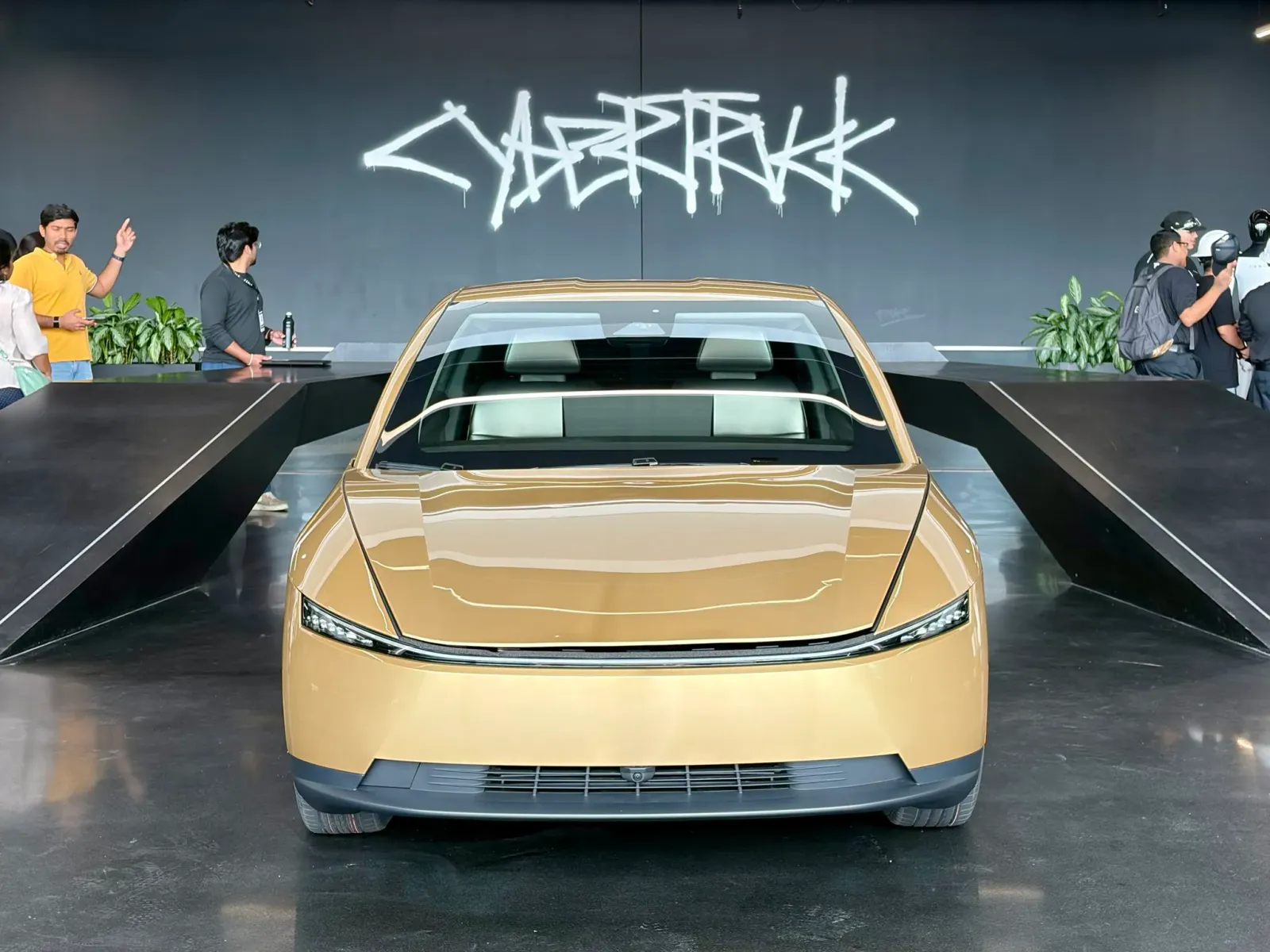
Tesla has officially launched its Cybercab in Austin. This two-seater vehicle, without a steering wheel or pedals, joins the fleet of robotaxis available to the public. Yet for such a strategic model, this launch has been surprisingly low-key... So far, only 45 units have been registered in Texas.
Two years after its high-profile debut at the “We, Robot” event, the Cybercab is becoming more tangible than ever. Tesla has now officially launched it and begun integrating this new vehicle into its Austin robotaxi service, which has previously relied solely on modified Model Y vehicles. This is an important step for the company, as it makes autonomous driving one of the pillars of its future.
Cybercab Joins the Robotaxi Fleet
During the launch held on September 3, 2026, Ashok Elluswamy, Tesla’s vice president of AI, explained that the Cybercab can now be ordered by the general public directly through the Robotaxi app. Users can open its butterfly doors from their smartphones before getting in.
As you know, this vehicle stands out primarily for its design focused entirely on operating without a driver. It has no steering wheel, pedals, or mirrors. With only two seats, Tesla aims for a more compact format compared to its current models. It features a 48 kWh battery, an electric motor producing 219 horsepower, and a directly integrated Starlink V5 connection.
At the time of launch, only 45 Cybercabs had been registered in Texas. But Tesla did not clearly state how many of them were actually available for commercial rides in Austin.
An unexpectedly low-key launch for Tesla
What’s even more surprising is the approach Tesla chose to mark this milestone. No major live broadcast, no press conference, and only a handful of invited guests at an exclusive event. A few content creators close to the brand were able to test the Cybercab, but this launch was clearly nothing like the grand shows Tesla is used to putting on.
Tesla Cybercabs are now everywhere in Austin.
Two years ago they showed this on a closed track. Most people called it vaporware.
Today they can be found on every corner in downtown Austin. No steering wheel. No pedals. No human behind the wheel. The car relies on cameras for vision. AI handles everything https://t.co/DkdFEYBFQx
— Vaibhav Sisinty (@VaibhavSisinty) 2026-09-03T08:45:36.000Z
Why not after all… But this low profile stands in contrast to the emphasis Elon Musk has placed on the Cybercab. The CEO has long presented this model as one of Tesla’s key components for the future, aiming to turn it into a cheap, mass-produced robotaxi. So why keep its launch secret?
Also read
Tesla Cybercab sets a record that’s unlikely to be broken anytime soon
Here’s my first full ride in a Cybercab. This vehicle is truly revolutionary. https://t.co/tfSxQFvhka
— Sawyer Merritt (@SawyerMerritt) 2026-09-04T03:27:03.000Z
What’s next?
Meanwhile, Tesla has begun exploring the market. A form now allows companies and investors to express interest in purchasing a fleet of Cybercabs or developing infrastructure for robotaxis. In 2024, Elon Musk also mentioned the possibility of selling the vehicle to individuals for less than $30,000. This topic was not addressed during the launch...
Before reaching that stage, Tesla will also need to navigate U.S. regulations. The NHTSA, the agency responsible for road safety in the United States, has stated it is monitoring the deployment of Cybercabs. The absence of a steering wheel and pedals will require Tesla to obtain certain exemptions before it can mass-produce and sell the vehicle.
Also read
Cybercab: Why Tesla is in a legal battle with a French company
So yes, the Cybercab has indeed made its official debut, but its actual deployment is just beginning. With only a few dozen units available, Tesla is still far from the massive fleet that Elon Musk has promised for several years.