
Volkswagen is losing money on electric vehicles, but you…
Volkswagen is losing money due to electric cars, but you deliberately ignore this news. This is the accusation from one of our readers. Vaielettrico responds. To contact us: info@vaielettrico.it
Volkswagen is losing money, but you act like nothing is happening
“I was curious to see how you would cover the news that Volkswagen, which used to be a money-making machine, has now become a money-losing one. In fact, just in the last quarter, according to the Corriere website, it lost a staggering 5.9 billion euros. Perhaps electric vehicles aren’t the only problem, but they certainly played a decisive role in creating this deficit. It would be honest of you to state this clearly. Or do you only report on stories where electric vehicles are portrayed as the winning technology? I don’t think you’ll publish this email, but I wish you all the best anyway.” Andrea Maletti
Volkswagen is losing money, but the real problems are elsewhere
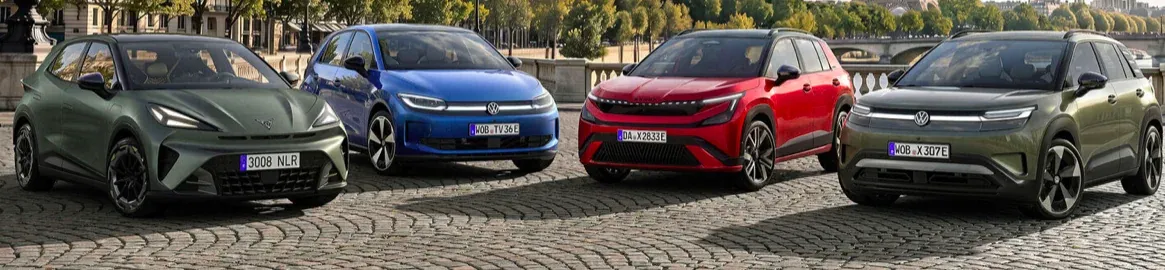
Answer. Let’s start with a premise: we usually do not publish news on automakers’ quarterly financial reports. We didn’t do it either for Stellantis a couple of days ago, despite it showing signs of recovery after a very difficult period. But turning to Volkswagen: it’s not true that the massive deficit mentioned comes from electric vehicles, which actually show encouraging signs. Especially in terms of orders, with the newly launched small vehicle series (ID. Polo, etc.) already reaching 150,000 units. And with waiting lists that are expected to be quite long. The problems are primarily related to the collapse in sales in China, a historically crucial market for Volkswagen. And to the increased pressure here in Europe, also due to Chinese brands, which are now unbeatable at home and becoming increasingly aggressive here.
In 2026 sales down 11%, but for gasoline and diesel
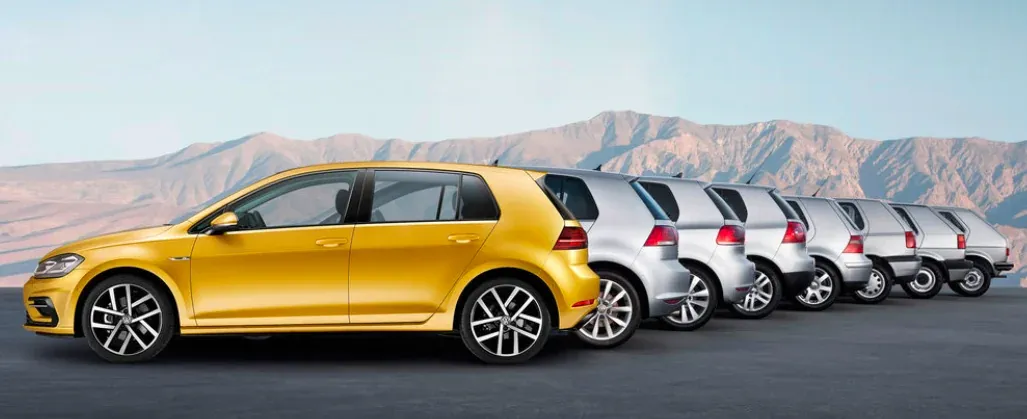
The moral of the story: In the first 9 months of 2026, VW sold 5.9 million vehicles, 11% less than in 2025. This decline is related to gasoline and diesel models. Iconic models like the Golf are starting to show the effects of age. In September, this car, with its numerous engine options, sold fewer units than two Teslas, which are entirely electric. Additionally, there are two issues with electric vehicles. Currently, the VW Group has lower profit margins compared to traditional cars. It is only now beginning to offer a compelling lineup with its new range of compact models (ID.Polo, etc.). Finally, the most damaging factor: the years of strong profits and growth led to an excessive expansion of the group’s workforce, far more so than competitors. Now, the company is trying to address this through various cuts, but it is a complicated and painful process.
Previous Article
All finalists for Car of the Year are electric, a stunning development
Next Article
Rising demand for electric used cars: “But what about battery issues...”