
The even more economical electric car with EDF and Renault
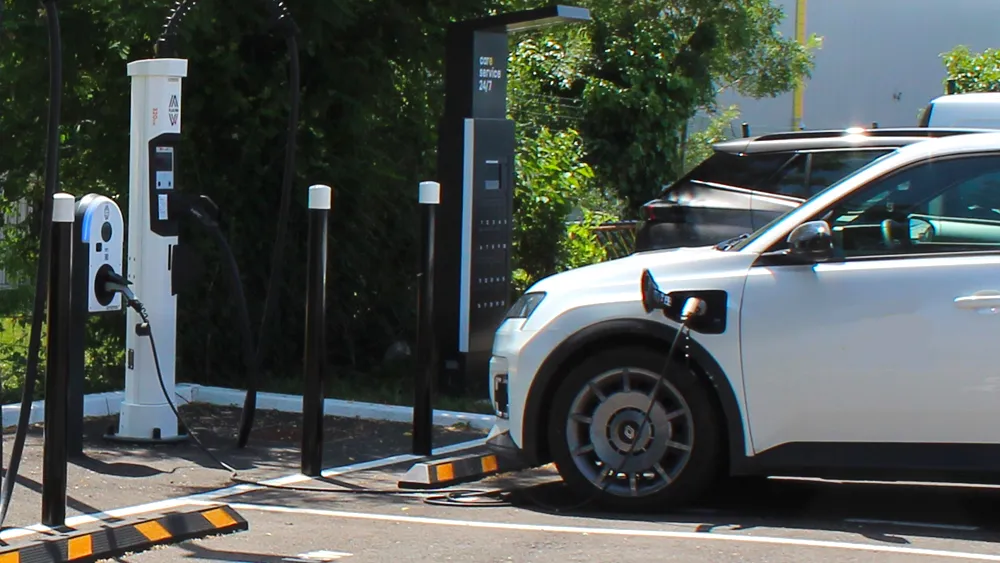
Through a partnership focused on electric vehicles, their charging infrastructure, and V2G technology that allows energy to be fed back into the national grid, Renault and EDF aim to “make electric cars more accessible and cost-effective for French people.”
Creating a perfect alignment of interests…
For over a decade now, AVEM has been keeping its readers and internet users informed about advancements in bidirectional charging, V2G (Vehicle-to-Grid), and V2H (Vehicle-to-Home). This feature specific to electric vehicles can enable a win-win situation where it supports the national grid during peak power demands and high electricity consumption, with electric vehicle owners receiving compensation or bill discounts in return.
For this scenario to unfold, there needs to be alignment among governments, manufacturers, and energy providers. Governments must approve the practice, manufacturers need to equip their electric vehicles with two-way charging capabilities, and energy providers can offer attractive V2G contracts to electric vehicle owners. This could encourage many to become pioneers and advocates in this field.
This is precisely where the partnership between the two French companies comes into play: on one side Renault, and on the other EDF along with two of its subsidiaries (IZI by EDF and DREEV). Concrete offerings “combining electric vehicles, home charging stations, and intelligent charging management” are expected to emerge by next summer. These offerings will be aimed at homeowners who use electric cars from the Renault, Dacia, and Alpine brands. The installation of charging stations will be carried out by IZI by EDF.
…for a virtuous cycle
The agreement signed by the two partners outlines three areas of cooperation: “the commercialization and installation of charging stations”; “the development of services to facilitate and optimize the charging of electric vehicles”; and “the creation of new services that allow using the energy from cars to power certain household appliances or returning it to the electrical grid when needed.”
In a sense, this aims to create a virtuous cycle that further accelerates sales of electric vehicles amid significant uncertainty regarding fuel price trends. The partners believe that “the growth of electric mobility will depend on simple, accessible charging solutions that are genuinely beneficial to French households’ budgets.”
There are two types of sources for potential savings. First, through smart control that triggers the charging of an electric vehicle’s battery when energy prices are at their lowest. Second, the ability to use this battery when the vehicle is parked at home and connected via a two-way charging system. This turns the car into more than just a means of transportation.
According to partners, the benefit for electric vehicle owners could amount to up to 10,000 kilometers of free travel per year. Of course, this depends on the energy consumption of the specific model and how often it is plugged in at home. This is a compelling argument to encourage many drivers to adopt electric vehicles. With another beneficial effect as well: strengthening the country’s energy sovereignty.
Partners’ Comments
For Christelle Vives, “this partnership demonstrates the ability of two leading French companies to work together toward competitive, sovereign, and low-carbon mobility. EDF has extensive experience in smart energy management, which has been deployed for over 100,000 customers in France and Europe through our subsidiary Dreev.” The president of EDF business services believes that “by combining innovative energy technologies and services tailored to consumers’ needs, the Renault Group and EDF are helping to strengthen a national industrial sector that creates value, jobs, and innovation.”
"Beyond technological innovation, this partnership offers a concrete solution to two major challenges for French people: purchasing power and the energy transition," says Jérôme Faton. Renault Group’s Vice President for Customer Experience & Energy explains that by "enabling better control over charging costs and creating new opportunities to utilize energy, Renault Group and EDF, two leading French companies, aim to make electric mobility increasingly attractive and accessible in our country."