
The European Union is preparing for 400,000 electric trucks and acknowledges a shortage of chargers
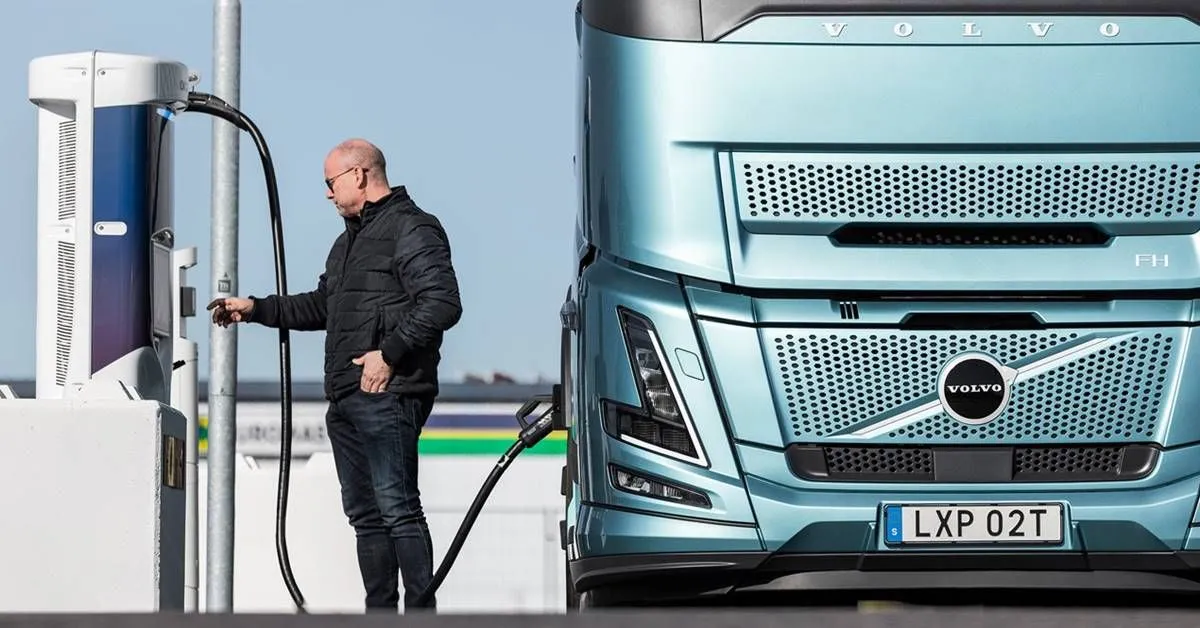
The electrification of heavy transport is gaining increasing importance in the European Union’s infrastructure plans. The growth of electric truck fleets is forcing a reevaluation of where and how public funds are allocated, especially in a sector where required investments are much larger than those for electric cars.
The European Commission wants some of this effort to focus now on infrastructure that still has significant shortcomings. During the Connecting Europe Days held in Brussels, the EU institution proposed giving priority to charging projects for electric trucks and buses within its main funding programs.
The measure primarily affects two European funds: the Connecting Europe Facility (CEF) and the Alternative Fuels Infrastructure Facility (AFIF). The aim is to use these funds to support the deployment of charging infrastructure for heavy vehicles, a market that requires high-power charging points and electrical connections far exceeding those needed for electric cars.
The reason is simple. The number of electric trucks is growing rapidly, but infrastructure development has not kept up at the same pace. According to data provided by the European Commissioner for Transport, Apostolos Tzitzikostas, there are already nearly 40,000 electric trucks in the European Union, with projections suggesting a figure of between 45,000 and 50,000 units by the end of 2026. The Commission notes that this represents roughly a tripling of the registered fleet in just two years.
The big problem: where to charge electric trucks
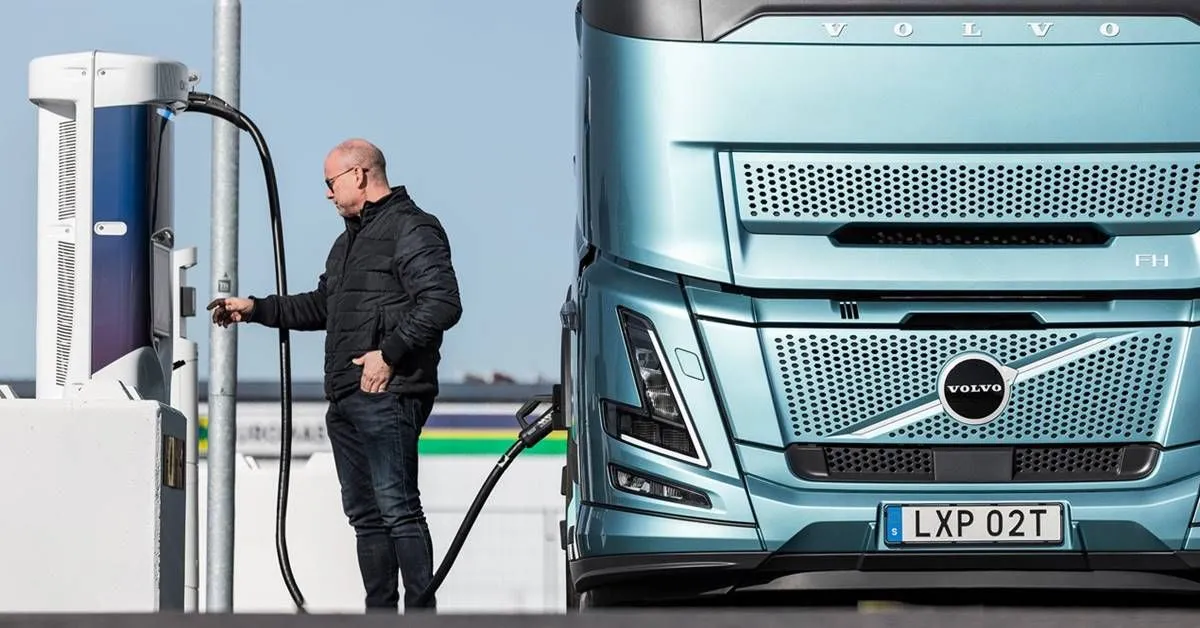
The infrastructure situation clearly explains why Brussels wants to accelerate investments. Currently, there are around 3,000 public charging points suitable for electric trucks in the European Union, a figure representing a 60% increase from the previous year, but it remains low compared to the needs expected in the coming years.
The European Commission itself estimates that the number of zero-emission trucks could reach 400,000 units by 2030. For such a fleet to operate over long distances, simply installing more charging stations is not enough; there must also be electrical connections capable of supplying enormous amounts of energy at specific locations.
Here lies one of the main challenges. An electric truck charging station may require a connection to the grid of several megawatts, especially when it houses multiple high-power charging points. A study by Fraunhofer ISI and ICCT suggests that certain locations with high demand could experience peaks of 20 to 50 MW, meaning expanding the charging network also requires strengthening electrical grids.
The European Commission is already working on this issue through various initiatives. The so-called network package and the electrification plan presented this summer aim precisely to address some of the limitations related to network capacity and the arrival of new electrical loads.
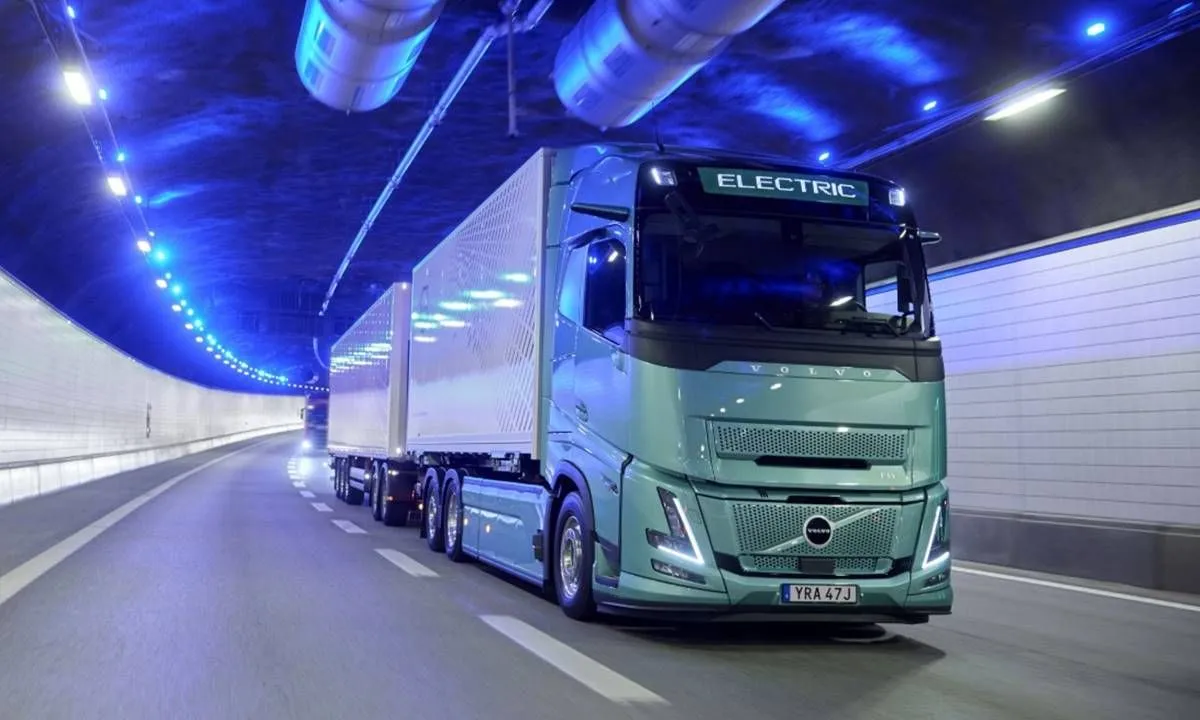
Since 2024, the European Union has allocated around 1 billion euros to decarbonizing various modes of transport, according to figures provided by Tzitzikostas. Approximately half of this amount has been directed toward electrifying heavy transport. Additionally, European programs already include specific funding for high-power charging facilities and megawatt chargers intended for heavy vehicles.
The problem is that public funding is not always sufficient to convince private capital. Banks remain cautious about financing electric truck charging stations because there is still significant uncertainty regarding their usage in the early years. If there are few trucks, operators earn less revenue; but if there is not a sufficient network of chargers, transportation companies face greater difficulties in electrifying their fleets.
The European Commission aims to reduce this investment risk by working with the industry. The goal is to find mechanisms that make such investments more predictable and enable the construction of facilities even in areas where there is not yet a critical mass of electric trucks.
The problem also varies greatly depending on the country. Jan Bezdekovsky, a representative from the Czech Republic’s Ministry of Transport, explained during the meeting that only 200 to 300 electric trucks are currently in use in his country. With such a small user base, it is difficult to convince charging operators to make significant investments in new facilities.
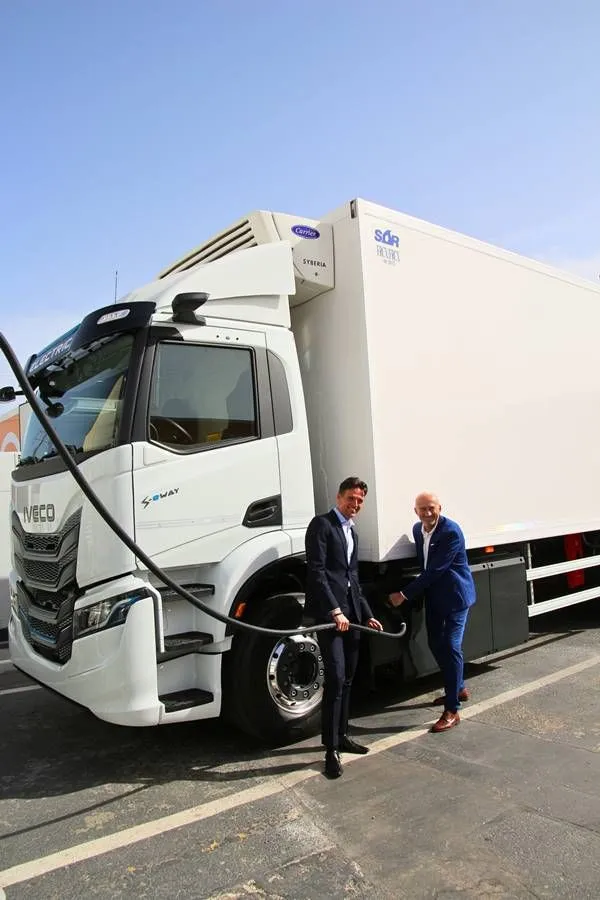
The situation contrasts with other European countries where there are already several thousand electric trucks, thus creating a much larger potential demand. According to Bezdekovsky, without European funding, electric mobility would have a very limited presence in the Czech Republic. This is an example of one of the problems Brussels is trying to solve: not all markets start from the same level, and a European transportation network requires that infrastructure also advance in countries with still limited adoption.
The European Commission had already identified this need. In June, it announced an initiative to accelerate zero-emission transport corridors, starting with the Scandinavian-Mediterranean and North Sea-Baltic corridors. The goal is to coordinate member states and identify the infrastructure and power grid requirements needed so that electric trucks can carry out international transport without relying on fragmented infrastructure.
Meanwhile, Brussels is preparing the next phase of its funding programs. The CEF will have a new call for proposals in 2026 worth 1.1 billion euros for projects related to trans-European transport networks, including measures aimed at electrifying road transport and developing charging infrastructure.
The challenge, therefore, is no longer merely to get manufacturers to produce more electric trucks. Europe will need to build infrastructure capable of supporting this growth, including high-capacity charging stations, connections to the power grid, and routes that allow transportation operations to continue over long distances.
The projected development explains Brussels’ shift in priorities. Moving from a few tens of thousands of electric trucks to nearly 400,000 units by 2030 requires expanding charging capacity as well. And in this case, simply installing a charger is not enough: behind each large charging station, it may be necessary to strengthen a significant portion of the power grid.
Source | Transport Europe
