
The EU wants electric cars purchased with public funds to have 70% European components.
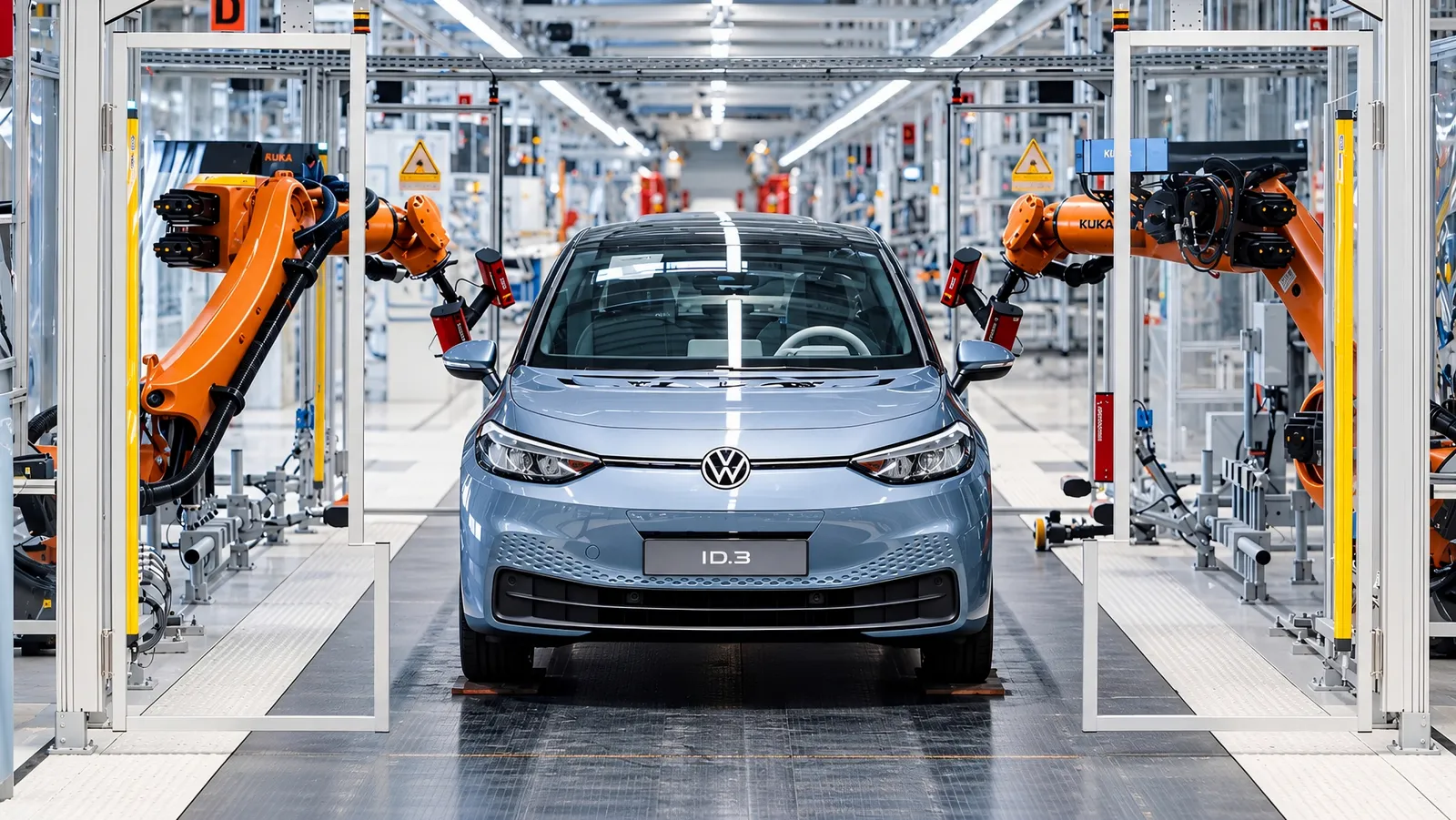
The European Union is preparing a new shift in its industrial strategy to reduce external dependence and strengthen manufacturing within the continent. The Industrial Accelerator Act proposal introduces requirements for European origin for certain products purchased with public funds or subsidized, with electric vehicles being among the sectors affected.
For vehicles, the proposal requires that electric cars, plug-in hybrids, and fuel cell models included in specific public procurement processes be assembled within the European Union. Additionally, at least 70% of the value of their components, excluding batteries, must also come from the EU.
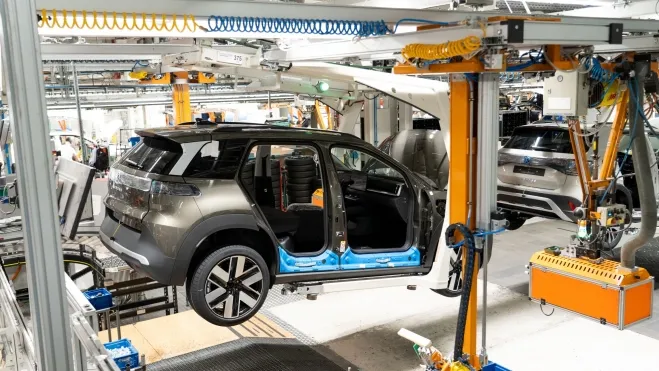
70% of components must be European
The measure is not limited to where the car is assembled. Brussels wants a large portion of the supply chain to remain within Europe as well, from conventional components to specific elements of the electric propulsion system.
The technical annex of the proposal states that the value of European components, excluding the drive battery, must account for at least 70% of the total value of those parts. The vehicle must also have been assembled within the EU.
Specific requirements will also apply to batteries. Among other conditions, they must include certain key components manufactured in Europe, including elements such as the cells themselves, the cathode active material, and the battery management system. The Commission intends to go even further over time. Three years after the regulation comes into effect, at least 50% of the value of the components in the electric propulsion system must be of European origin.
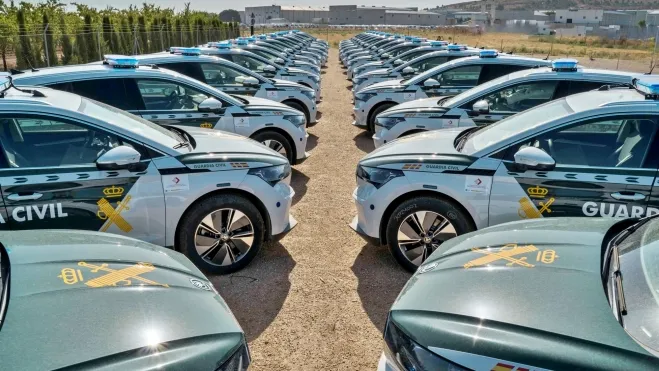
The same proportion will apply to the vehicle’s main electronic systems. By doing this, Brussels aims to prevent a car from being considered European merely because it was assembled within the EU while most of its critical components come from third countries.
The automobile is just one part of a much broader industrial strategy. The Industrial Accelerator Act introduces requirements for European content or low emissions in sectors deemed strategic, including steel, cement, aluminum, solar and wind technologies, hydrogen, and nuclear energy.
The philosophy is to use the massive volume of public procurement and European subsidies to boost local industries. Instead of awarding contracts solely on price, Brussels wants the origin of products, their carbon footprint, and the resilience of supply chains to carry increasing weight.
China, batteries, and a regulation yet to be approved
Although the proposal does not specifically mention China, the goal of reducing dependence on foreign suppliers comes at a time when Chinese manufacturers are expanding rapidly in Europe. Brands from this Asian country have gained ground especially in electric and plug-in hybrid cars, with some already planning factories on the continent.
The Chinese government itself has backed this week the idea that its manufacturers increase investment and production in Europe. Local manufacturing could thus become an increasingly important route for Asian companies to access government subsidies and European contracts under the new rules.
The 70% requirement has an important nuance: batteries are excluded from this overall calculation because Brussels sets specific conditions for them. The proposal initially requires that the traction battery include at least three main components of European origin, including the cells.
Subsequently, the requirements would increase to five elements, including the active material of the cathode and the management system. This makes batteries one of the key components of Europe’s industrial strategy, at a time when the EU is trying to attract new cell and material factories.

The new regulation is not yet in effect. The Industrial Accelerator Act is a legislative proposal by the European Commission that still needs to go through negotiation and approval within European institutions, so the final text may change.
If it ultimately proceeds under the current terms, vehicle requirements would begin to apply to public procurement processes started six months after the regulation takes effect. Some of the stricter requirements regarding batteries, electronics, and electric propulsion would come into force three years later.
The underlying idea is simple: if a European government uses public funds to buy an electric car, Brussels wants a significant portion of that money to stimulate industrial activity within Europe. This could have major implications for European, Chinese, and British manufacturers. The UK has already expressed concern about potentially falling outside the “Made in EU” definition due to the close ties between its factories and the continental supply chain.