
The EU could lose 185,000 jobs (19,000 in Spain) if gasoline and diesel cars are "saved" after 2035, according to a study.
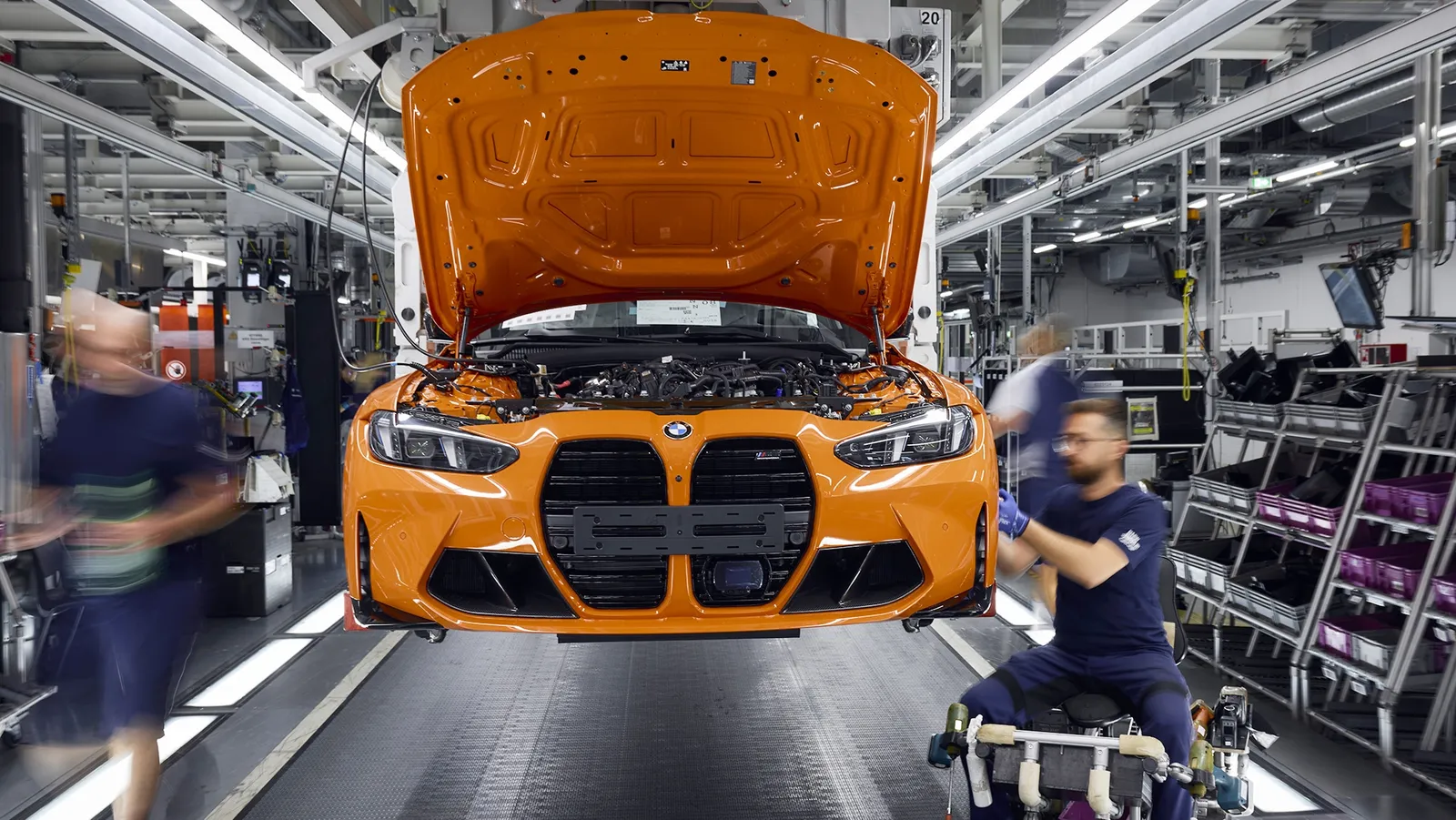
The European Union is getting closer to easing the restrictions that would prevent the sale of new gasoline and diesel cars starting in 2035. Many manufacturers consider this decision necessary to protect their competitiveness and maintain thousands of jobs. However, a new study has reached a completely opposite conclusion. In fact, it claims that delaying the transition to electric cars could precisely lead to the loss of the jobs that are intended to be protected.
The analysis was prepared by the International Council on Clean Transportation (ICCT), which warns that relaxing Europe’s emission targets could result in up to 185,000 job losses in the community’s automotive industry over the next decade. Spain would also be affected, with estimates suggesting around 19,000 fewer jobs by 2035. These figures come at a time when the European Parliament is beginning to support proposals allowing certain internal combustion vehicles to remain on the market after that date.
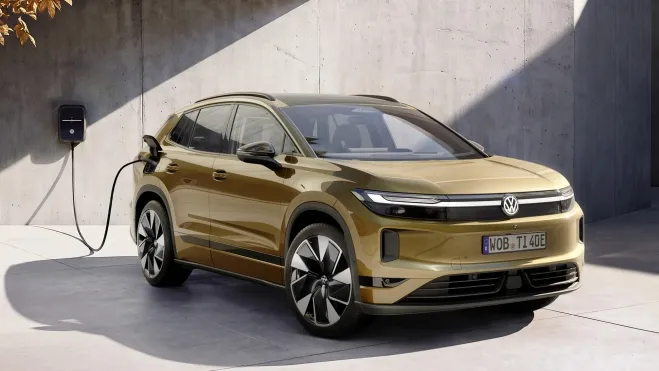
Up to 185,000 fewer jobs due to delayed electrification
The ICCT has studied three different scenarios to understand how European employment would evolve by 2035. The first scenario assumes maintaining the current emission reduction targets, which require manufacturers to cut the average emissions of their new cars by 55% by 2030 and by 100% by 2035, using 2021 levels as a reference.
According to their calculations, keeping these regulations in place would allow employment to remain practically stable, with growth of about 2% compared to 2025. Although jobs related to internal combustion engine manufacturing would disappear, these losses would be offset by new jobs in electric vehicle production, batteries, recycling, and charging infrastructure.
The most unfavorable scenario would be delaying the implementation of these goals by 5 years. In that case, employment could decline by 6%, equivalent to around 185,000 job losses. Germany would be the hardest-hit country, with nearly 77,000 fewer jobs, followed by France with 28,000, and Poland and Italy, each with around 21,000. Spain would lose approximately 19,000 jobs according to the projections from the aforementioned study.
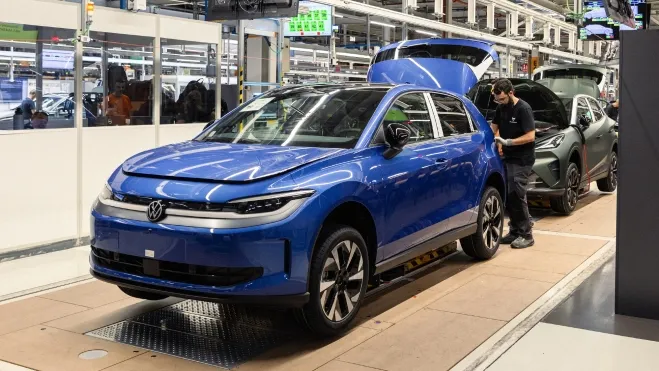
Europe could create 320,000 additional jobs by investing in its factories
The third scenario analyzed combines maintaining emission targets with industrial policies aimed at boosting European manufacturing of electric vehicles and their components. In this case, ICCT estimates that employment could increase by 10% between 2025 and 2035, resulting in approximately 320,000 additional jobs.
The difference between the most favorable and least favorable scenarios amounts to nearly half a million jobs. A key factor lies in where electric vehicles and their batteries will be manufactured. The study notes that producing an electric vehicle requires about 30% fewer workers per vehicle compared to manufacturing a conventional vehicle, but it believes that the development of new industrial activities can offset this difference.
Sandra Wappelhorst, the main author of the report, questions the argument used to justify regulatory flexibility. “Weakening CO2 targets is being presented as a way to protect jobs, but our analysis shows the opposite,” she says. In her view, Europe should strengthen its supply chains for electric vehicles rather than prolonging its dependence on traditional engines.
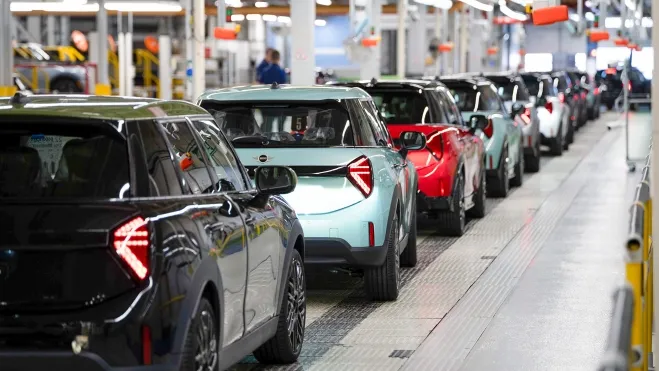
The decision on 2035 has not yet been made
The conclusions come after several committees of the European Parliament approved a proposal to reduce emissions by 95% by 2035, rather than the current target of 100%. The plan also includes additional flexibility mechanisms related to the use of low-emission European steel. However, these changes still need to go through further legislative procedures before becoming final.
ICCT also acknowledges limitations in its estimates. Its 5-year delay scenario is a hypothesis used for comparing results, not an exact reflection of the proposals being negotiated in Brussels. Moreover, the model does not account for other factors that could affect employment, such as automation, digitalization, or international economic changes.
Therefore, the 185,000 jobs do not represent confirmed layoffs, but rather a projection contingent on certain political and economic decisions. Still, the study introduces a relevant argument into the European debate: keeping internal combustion engines in use longer might temporarily preserve some traditional jobs, but it could also delay the creation of other jobs related to new technologies.