
Russia facing fuel shortage: electric car sales doubling
In summer, sales of electric and plug-in hybrid cars in Russia more than doubled compared to the same period in 2025. This growth (+117%) comes as the country struggles with a severe shortage of gasoline and diesel, partly due to Ukrainian attacks on Russian refineries.
The timing of this surge is significant, especially in a Russian market where electric cars must compete with a still-limited charging infrastructure, long distances, and harsh weather conditions.
Limited gasoline: Are Russians turning to electric cars?
Attacks on Russian oil infrastructure have contributed to reducing the available refining capacity. According to reports from Reuters, gasoline production has recently dropped to about 70% of normal domestic demand.
For Russian drivers, this has resulted in long queues at gas stations and the need, in some areas, to spend a lot of time searching for fuel.
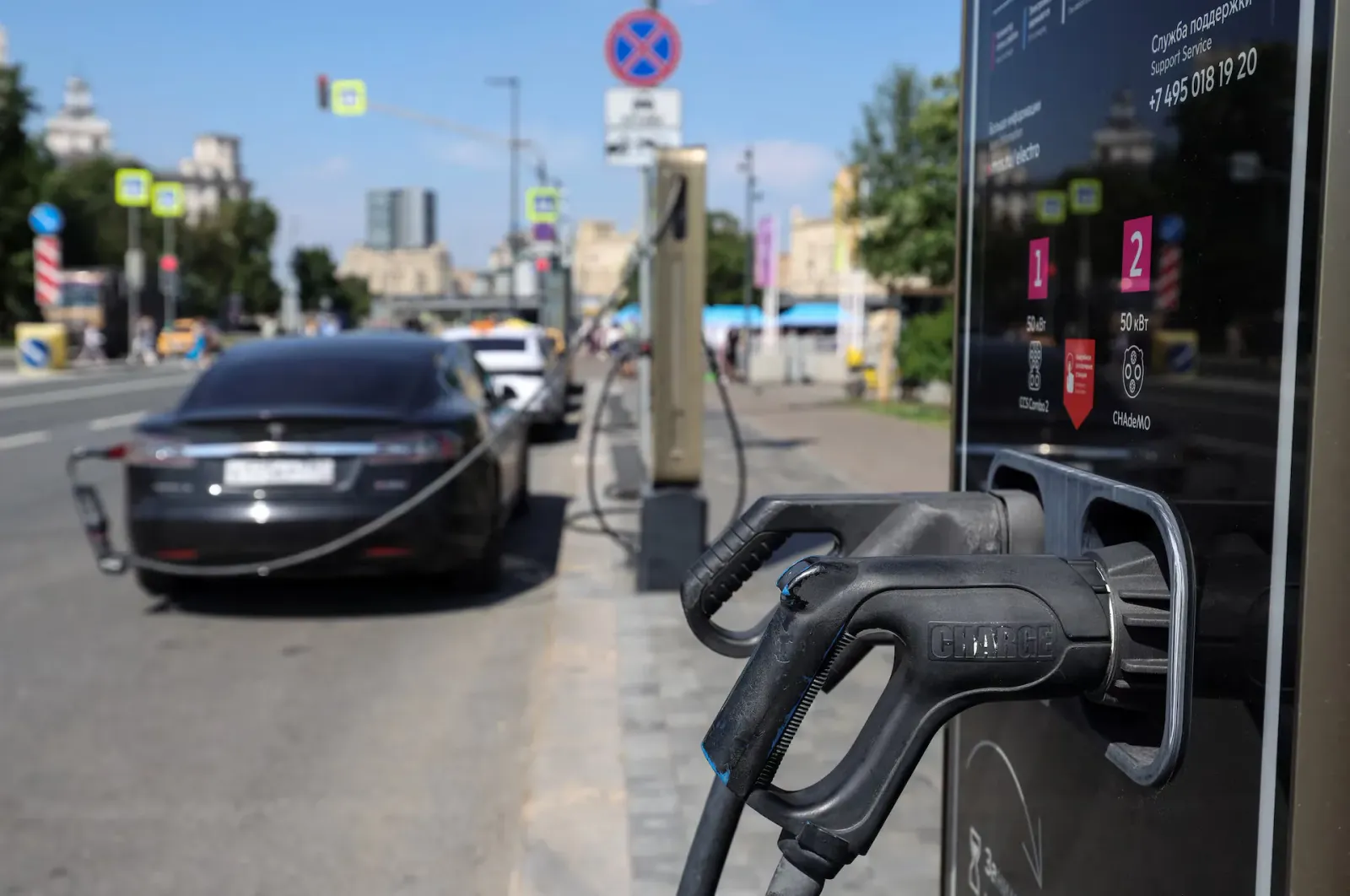
Meanwhile, there has been an increase in the use of charging infrastructure: by the end of June, Rosatom—the nuclear energy multinational—had already recorded a significant rise in usage at its public charging stations.
The car sales data suggests that, at least for some drivers, the availability of a vehicle that doesn’t rely directly on the dealership network may have become a more important factor in choosing a car.
Russia without gasoline: Ukrainian drones boost electric vehicle charging
Transition: a long road ahead
Despite the recent surge in sales, it’s important to note that plug-in vehicles still account for a relatively small share of the Russian market. In 2025, electric and plug-in hybrid vehicles together made up about 4.3% of new car sales.
Growth is therefore important, but it doesn’t mean that electric mobility has become dominant in the country. Rather, it indicates a possible acceleration in a sector that until now has had to overcome significant structural obstacles, primarily a charging network that is far too sparse for such a vast territory.
Chinese brands with no competitors
The ones benefiting from the rising demand for EVs in the country are mainly Chinese manufacturers. Brands such as Zeekr and Li Auto are available through official channels, parallel imports, and independent dealer networks, while Russian companies like Evolute market Chinese models assembled locally.
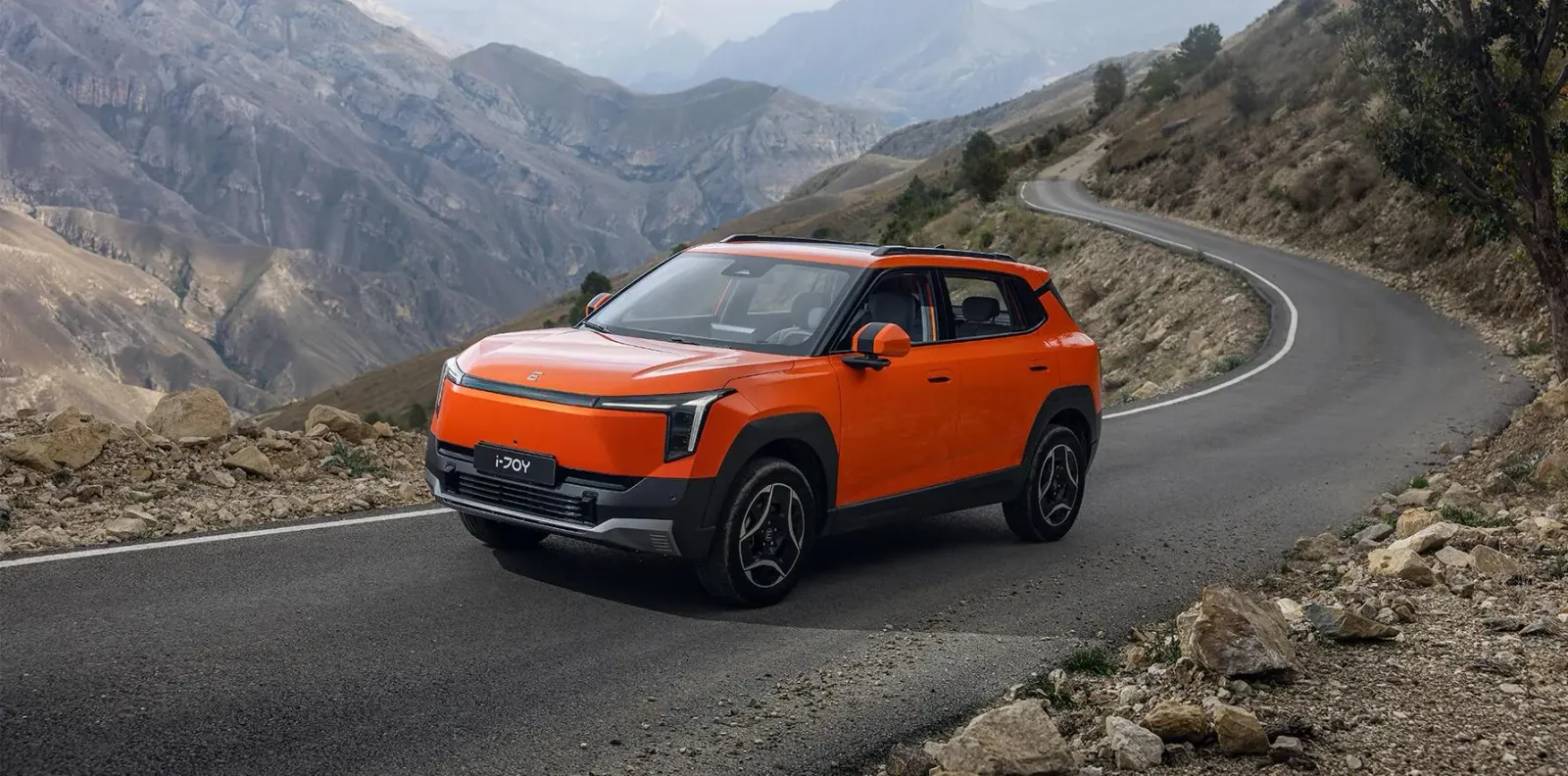
The case is that of the Evolute i-Joy, derived from the Dongfeng Fengon E3, assembled in Lipetsk using mainly kits supplied by Dongfeng itself. This SUV is also covered under government support programs that offer buyers incentives of up to 35% off the price.
The Russian landscape is therefore very different from that in Europe. The growth of electric vehicles occurs in a market deeply transformed by sanctions and the withdrawal of numerous Western, Japanese, and South Korean manufacturers.
READ ALSO: “Cardinali (UNRAE): Italian electric cars moving backward. We need an alarm” and watch the VIDEO
Previous Article
The Ioniq 3 arrives, with prices starting at 27,900 euros
Next Article
Are used Teslas too expensive? Let’s take a look...