
The police have referred 80 Tesla owners to prosecutors for illegally activating autonomous driving: up to 2 years in prison
31/10/2026 07:00
Updated to
31/10/2026 07:00
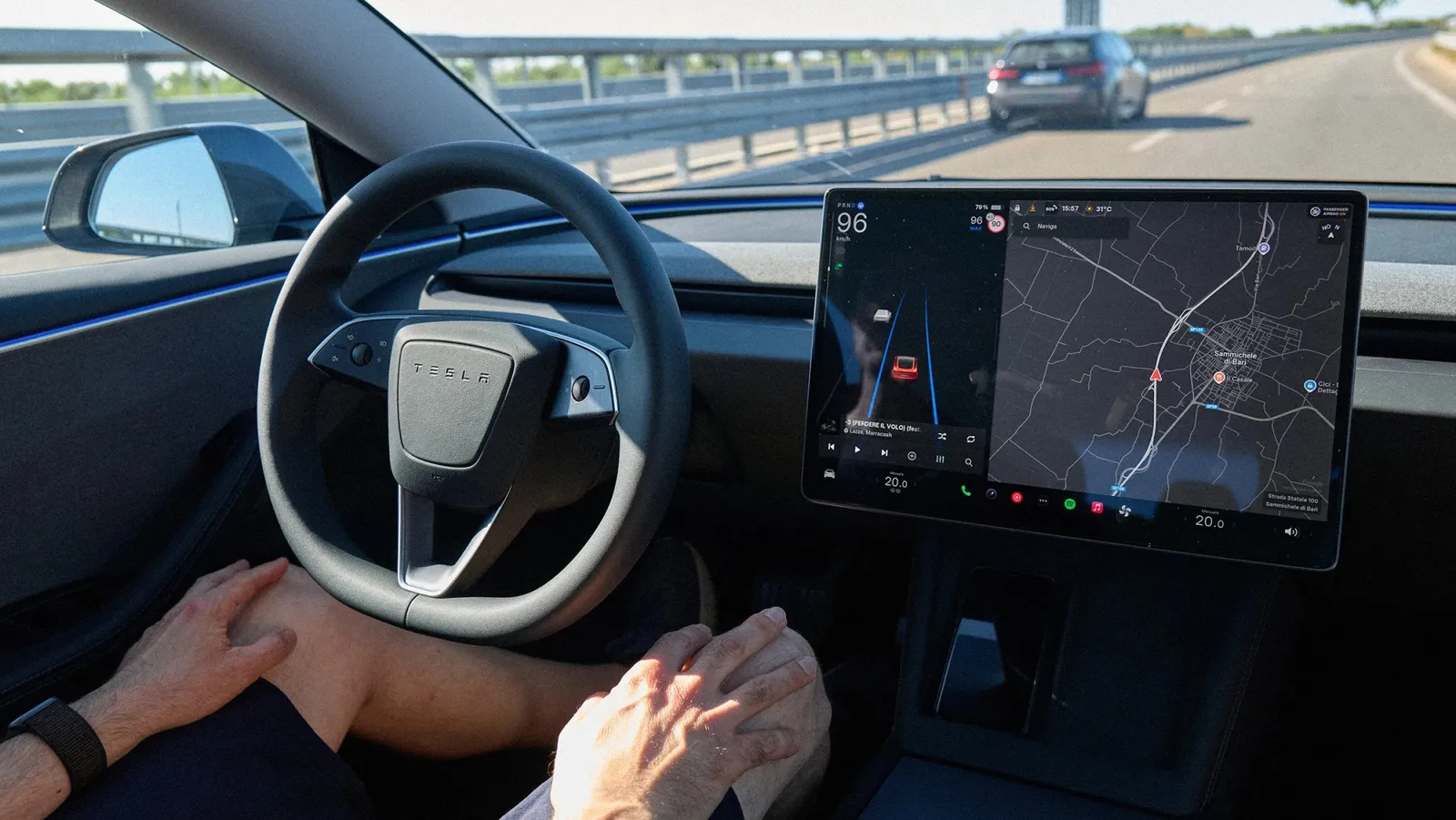
The Seoul Metropolitan Police have announced an investigation involving 80 Tesla vehicle owners accused of illegally activating the Full Self-Driving (FSD) driver assistance system. Officers have referred the cases to prosecutors for alleged violations of vehicle-related laws and seized 21 devices used to unlock functions not authorized in their cars.
The operation began after South Korea’s Ministry of Transport requested an investigation into the use of external devices to modify the performance of certain vehicles from the American brand. Authorities suspect that owners managed to bypass the manufacturer’s restrictions and use features that did not have the proper authorization to be used on the country’s roads.
One of the most striking aspects of this case is the origin of the devices. According to police investigations, some drivers acquired them in China and Europe, while others even manufactured them on their own. Among those under investigation is a computer industry worker who developed one of these devices using technical information about Tesla vehicles’ electronic systems and publicly available code.
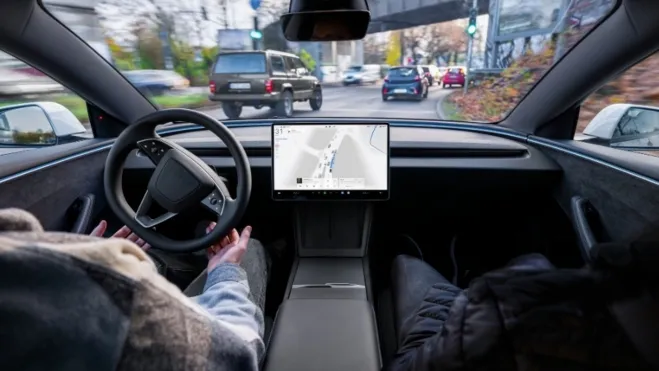
The investigation also revealed that several owners exchanged information through Internet communities. They not only shared procedures to enable the FSD system but also methods to prevent vehicles from retaining records of its activation. These practices were documented by the investigators, who collected posts and other materials to reconstruct how the modifications were carried out.
Why certain Teslas cannot use FSD
The situation stems from South Korean regulations. Although Tesla introduced its supervised FSD system in the country at the end of 2025, its use is permitted on certain vehicles manufactured in the United States, such as the Model S, Model X, and Cybertruck. These cars benefit from the provisions of the trade agreement between the two countries, which allow for the recognition of certain U.S. safety standards.
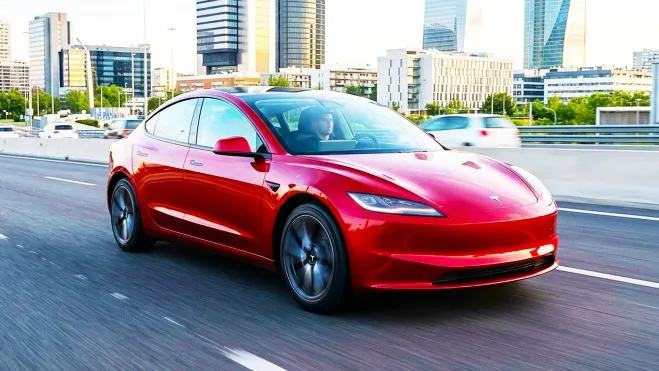
The situation is different for Tesla Model 3 and Model Y vehicles manufactured in China. These cars do not have the necessary approval to use the FSD system in South Korea, even though they have technical components compatible with certain features. According to data provided by Tesla to authorities, of the 238,968 Tesla vehicles registered in the country as of the end of September, 183,407 were Chinese-made units of these two models that could not legally use the system.
It should be noted that supervised Full Self-Driving does not turn these vehicles into ones capable of operating without human intervention. It is an advanced driving assistance system that can handle various maneuvers, but it still requires the driver’s constant attention. The modifications under investigation allowed the use of functions that were not authorized for such vehicles in the South Korean market.
Penalties of up to 2 years in prison and a new request from Tesla
The legal consequences can be severe. South Korea’s legislation prohibits modifying, installing, or altering computer programs without authorization that could affect a vehicle’s safety. Violations carry penalties of up to two years in prison or fines of up to 20 million wones. However, these are the maximum penalties stipulated by law and do not mean that all 80 individuals under investigation have been convicted.
The police have warned that activation through unauthorized procedures can cause security issues. The identified risks include possible misinterpretations of driving conditions or vehicle behaviors that differ from those intended by the driver. Authorities have not reported any accidents attributable to these modifications, so it would be incorrect to present these risks as incidents that have already occurred.
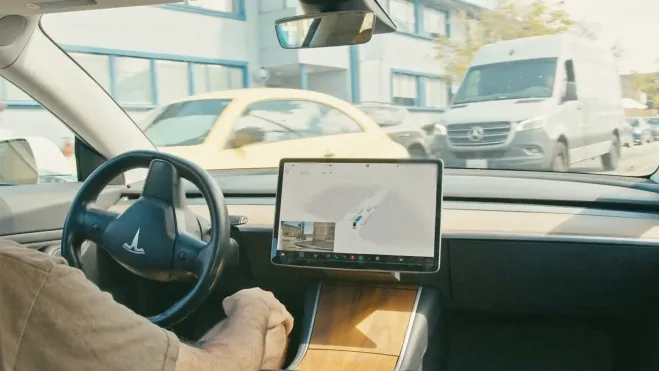
Tesla, on its part, had already begun to remotely disable functions activated through unauthorized external devices. These measures did not prevent attempts to circumvent the restrictions from continuing to be detected. The police investigation is now focusing on both the owners who used the devices and the methods used to share and conceal such modifications.
This development also coincides with an important move by the manufacturer. On October 22nd, Tesla requested an exemption from South Korea’s regulators that would allow it to officially introduce FSD in its vehicles produced in China. The request is still under evaluation and raises a regulatory question regarding whether functions that currently do not meet the required standards can be authorized through a software update. Meanwhile, the restrictions remain in effect.