
Police discovered how 80 Tesla owners activated a prohibited feature: they face prison sentences of up to 2 years.
03/11/2026 12:30
Updated to
03/11/2026 12:30
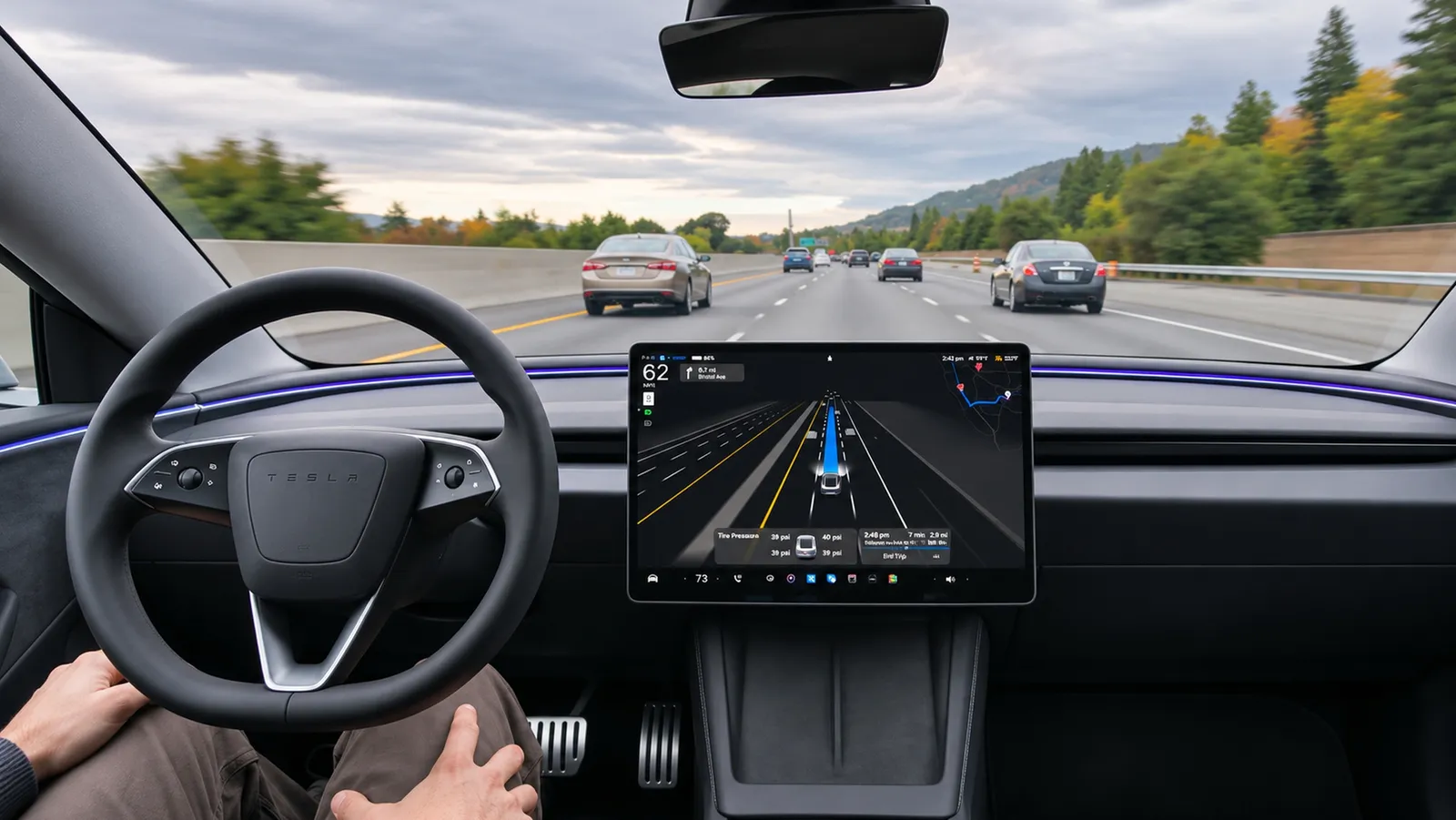
An investigation by the Seoul Metropolitan Police has targeted 80 Tesla owners who allegedly used unauthorized devices to activate Full Self-Driving (FSD), the company’s advanced driver assistance technology. Officers have referred their cases to prosecutors for possible violations of South Korean law and seized 21 devices used to bypass the manufacturer’s restrictions.
The case stems from restrictions affecting certain Teslas sold in South Korea. While supervised FSD is allowed on some vehicles manufactured in the United States, Model 3 and Model Y vehicles from China cannot use it legally. To bypass these restrictions, some owners resorted to devices purchased in China and Europe, while others even made them themselves. The law imposes penalties of up to two years in prison or fines of up to 20 million wones, although no court convictions have yet been issued.
Among the 80 owners under investigation is also a computer industry worker who, according to the police, developed one of these devices on his own. To do this, he used technical information about Tesla’s electronic systems and publicly available code. This case shows that some drivers did not simply buy pre-made devices but sought their own solutions to bypass the manufacturer’s restrictions and activate functions not authorized in their vehicles.
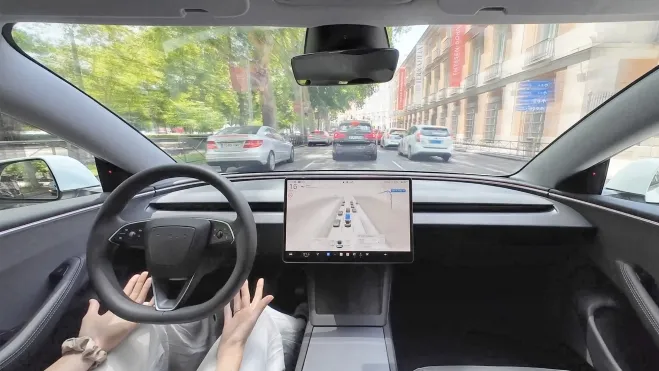
The investigation has also revealed that some owners shared information through Internet forums and communities. In these spaces, they not only exchanged instructions for activating the FSD system in their vehicles but also procedures to prevent certain modifications from being recorded. Agents have collected posts and various digital materials that have helped them reconstruct how these practices were carried out and how widespread they were.
Why some Teslas are prohibited from using FSD
To understand the origin of this situation, one must look at South Korea’s legislation. Tesla began offering its supervised Full Self-Driving system in the country at the end of 2025, although its use is not permitted in all of the brand’s vehicles. Model S, Model X, and Cybertruck vehicles manufactured in the United States can benefit from certain provisions of the trade agreement between the two countries, which includes recognition of certain U.S. safety standards.
However, the situation is different for Model 3 and Model Y vehicles produced in Chinese factories. These cars do not have the necessary authorization to use FSD in South Korean territory, even though some of their components are compatible with the system’s functions. This issue affects a significant number of drivers, as both models account for a large portion of Tesla’s sales in the country.
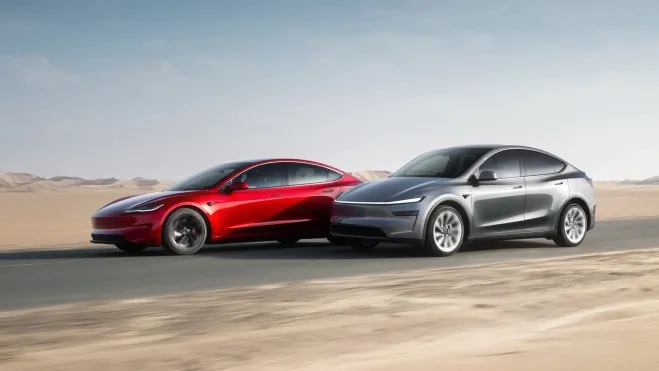
In fact, the data provided by the manufacturer itself to the authorities gives an idea of the scale of the problem. By the end of September, there were 238,968 Tesla vehicles registered in South Korea, of which 183,407 were Model 3 and Model Y units manufactured in China. In other words, a large portion of the brand’s vehicle fleet could not legally access these driver assistance features.
In any case, there is an important issue that needs to be clarified. Despite its commercial name, Supervised Full Self-Driving does not allow the car to operate completely autonomously without human supervision. It is an advanced assistance technology capable of intervening in various driving situations, but it requires the driver to remain alert and prepared to take control at all times. The devices under investigation enabled access to functions that were still not authorized for certain Teslas in South Korea.
Up to 2 years in prison while Tesla seeks a solution
The potential legal consequences explain the importance given to this investigation. South Korean regulations prohibit unauthorized modifications to vehicle software when such changes could compromise safety. Those who violate these rules face penalties of up to two years in prison or fines of up to 20 million wones. However, these are the maximum sanctions stipulated by law, not the actual sentences already imposed on the 80 owners under investigation.
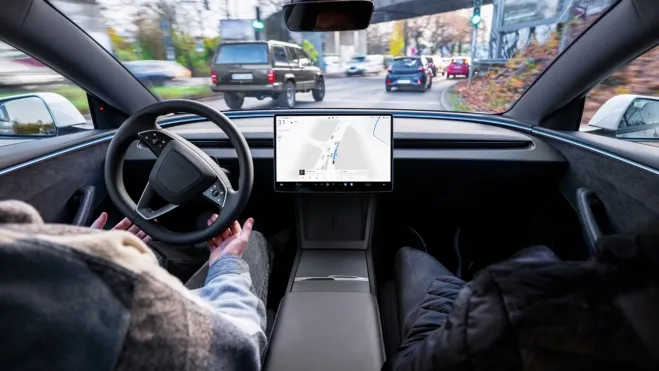
The authorities have also warned about the dangers that can arise from activating driving functions using devices other than those approved by the manufacturer. Possible consequences include errors in interpreting the environment or unexpected responses from the vehicle in certain traffic situations. So far, the police have not reported any accidents directly related to these modifications, though they emphasize the risks they pose to road safety.
Tesla has also not stayed away from this situation. The American manufacturer had already begun to remotely disable some of the functions activated through unauthorized external devices, though these actions failed to put an end to all attempts to bypass the restrictions. Police investigations have now provided a better understanding of the extent of these practices, both among those who used the devices and those who shared information to make the modifications.