
German police stop a Tesla Cybertruck, but not for the reason you think
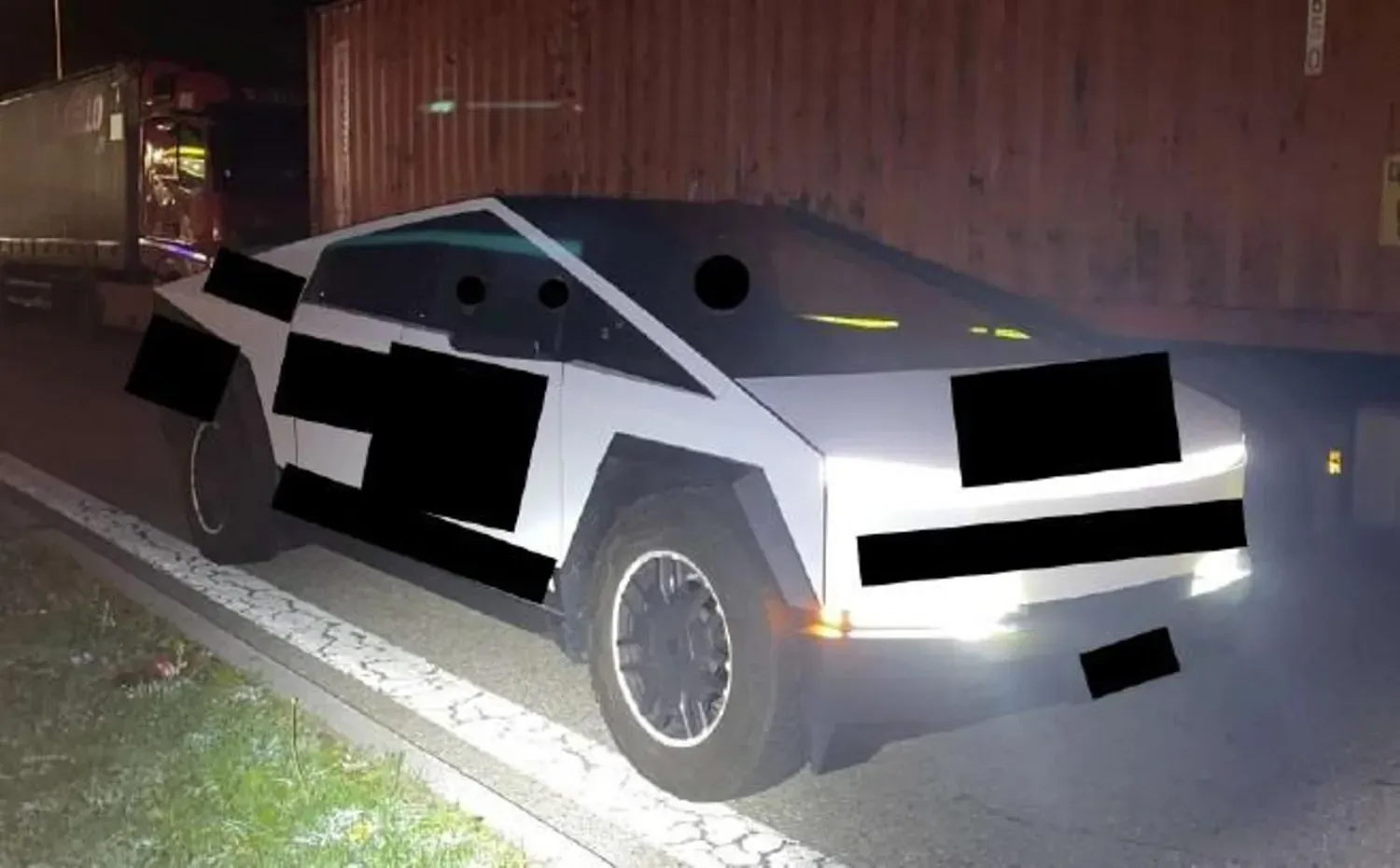
A Tesla Cybertruck was stopped by German police on an highway near Munich. Yet, despite the electric pickup not being approved in Germany, the vehicle was fully compliant. The issue lay with its driver, who did not possess the correct driving license. Here’s why.
The Tesla Cybertruck is certainly not done making headlines in Europe. While this American electric pickup has not yet been approved in the Old Continent, a few units still manage to circulate on our roads. It’s best to understand the regulations before driving this unconventional vehicle.
Cybertruck Intercepted in Germany
On the morning of October 25, 2026, German police spotted a rather unusual vehicle on the A99 highway near Vaterstetten, in the Munich region. It was a Tesla Cybertruck registered in Poland. Curious about the presence of this electric pickup, the officers decided to conduct a check.
Also read
Meet the Tesla Cybertruck: So, what does it look like in reality?
Driving it was a 50-year-old Swede who did not have a license suitable for his vehicle. As a result, the police prevented him from continuing his journey. The problem? The Cybertruck has a maximum allowed weight of 4.2 tons when loaded. However, a standard Class B license only allows driving vehicles with a gross vehicle weight rating of no more than 3.5 tons.
To drive this vehicle, one needed a C1 license, which is specifically reserved for vehicles weighing between 3.5 and 7.5 tons. The pickup was taken to the Hohenbrunn police station, where it had to wait for someone with the appropriate license to come and retrieve it. Or until its owner resolved the issue...
A vehicle that was actually allowed to be on the road
The most surprising aspect of this story is that the Cybertruck was fully permitted to use German roads. Despite being unable to be registered in Europe, its individual approval obtained in Poland allowed it to circulate temporarily in Germany.
From a legal perspective, this Tesla model poses several issues for European authorities. Its rigid stainless steel body, sharp edges, and overall design fail to meet certain safety requirements, particularly those aimed at protecting pedestrians and cyclists. In 2025, German authorities even rejected a request from the U.S. military to allow Cybertruck registration for their troops stationed in the country.
This latest setback highlights another characteristic of the Cybertruck: even when it has valid registration in a European country, its driver must comply with rules applicable to vehicles over 3.5 tons. This detail can quickly turn what should be a simple trip into a frustrating experience.