
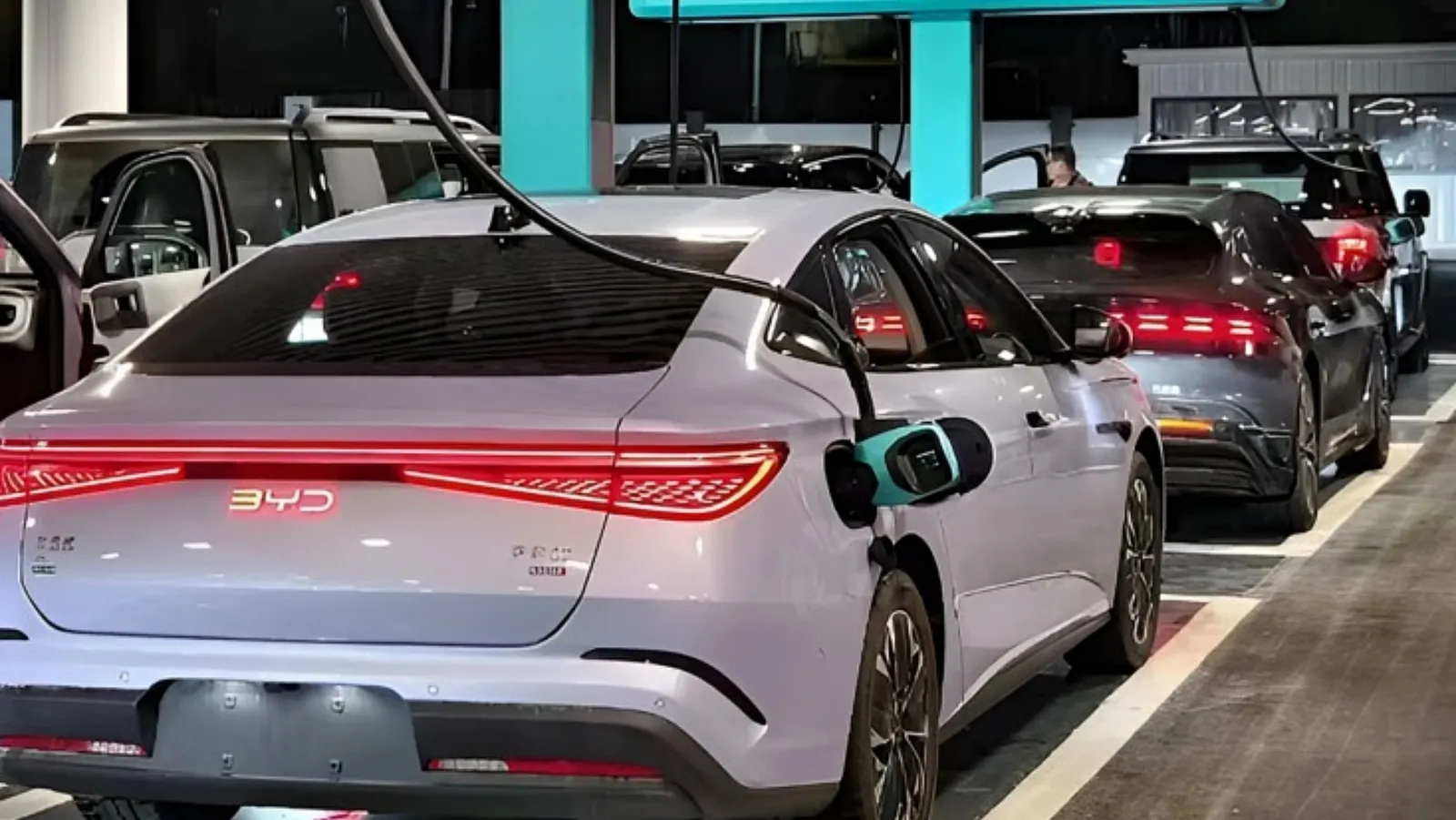
The obsession with kW may be leading electric car charging down the wrong path: more power does not always mean better performance.
12/09/2026 10:00
Updated to
12/09/2026 11:47
Rapid charging infrastructure does not always achieve better results simply by installing chargers with higher power output. Data published by Kempower indicates that for a public charging station, having more vehicles charging simultaneously can have a much greater impact on its utilization than increasing the maximum kilowatts available.
The Finnish company reached this conclusion after analyzing public charging stations in North America connected to ChargEye, its charging management and analysis platform. According to their findings, the number of connectors is approximately three times more correlated with a station’s utilization than the total installed power.
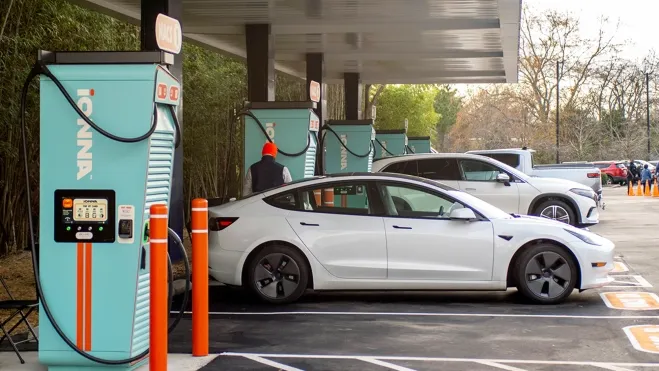
Eight charging points can completely transform the performance of a station
One of the most significant comparisons occurs when comparing small installations with those of greater capacity. Sites with two connectors recorded utilization rates around 2%, whereas those with eight reached nearly 10% — a much larger difference than what can be achieved simply by increasing the available power.
The effect is also reflected in the energy supplied. According to data collected by Kempower, stations equipped with eight connectors delivered an average of 128,342 kWh, more than double the 61,453 kWh recorded by those with four connectors. The company believes that allowing more vehicles to charge simultaneously benefits both the utilization of the facility and its potential revenue.
In contrast, increasing the maximum power results in a much smaller difference. The analysis shows utilization around 3% in facilities with about 100 kW and slightly above 5% in those with 400 kW. This is partly because the power rated by car manufacturers usually corresponds to a peak that only lasts for part of the charging session.
The car’s maximum power isn’t the power it uses throughout the charging process.
An electric vehicle compatible with 250 or 300 kW can reach that figure for a few minutes, but the power gradually decreases as the battery’s charge level increases. For this reason, Kempower estimates around 100 kW per vehicle as one of the most efficient figures when all connectors at a station are in use.
The company also favors systems capable of dynamically distributing available power. Instead of reserving a fixed amount for each charger, the system allocates it based on each car’s needs at any given moment. Among the American stations studied, those with distributed charging had an average usage that was 83% higher than those with fixed power settings.
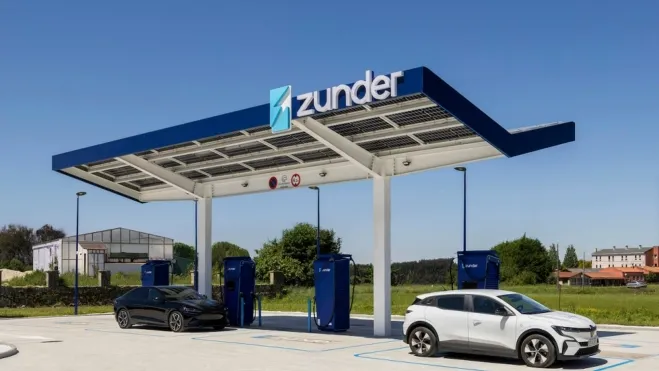
This type of architecture also allows for expanding the number of charging points later on without having to redesign the entire installation from scratch. Kempower currently uses modular systems that can distribute power across multiple connectors, ensuring that this setup makes better use of a single network connection.
The data comes from the company itself that sells this technology
The results, however, require some context. The study was conducted by Kempower, a manufacturer specializing in distributed charging systems and dynamic power management, and it is based solely on stations in North America connected to its own platform. As such, the data show a correlation between the number of charging points and their usage, but they do not prove that adding more connectors is the sole cause of this increase.
Despite this limitation, the analysis highlights another important factor for deploying public charging infrastructure. Rather than focusing solely on installing increasingly powerful chargers, Kempower’s data suggest that increasing the number of vehicles that can connect simultaneously may have a greater impact on the energy supplied and the economic efficiency of a station.