
GM’s new EV platform has 30% fewer wires and 20% fewer batteries.
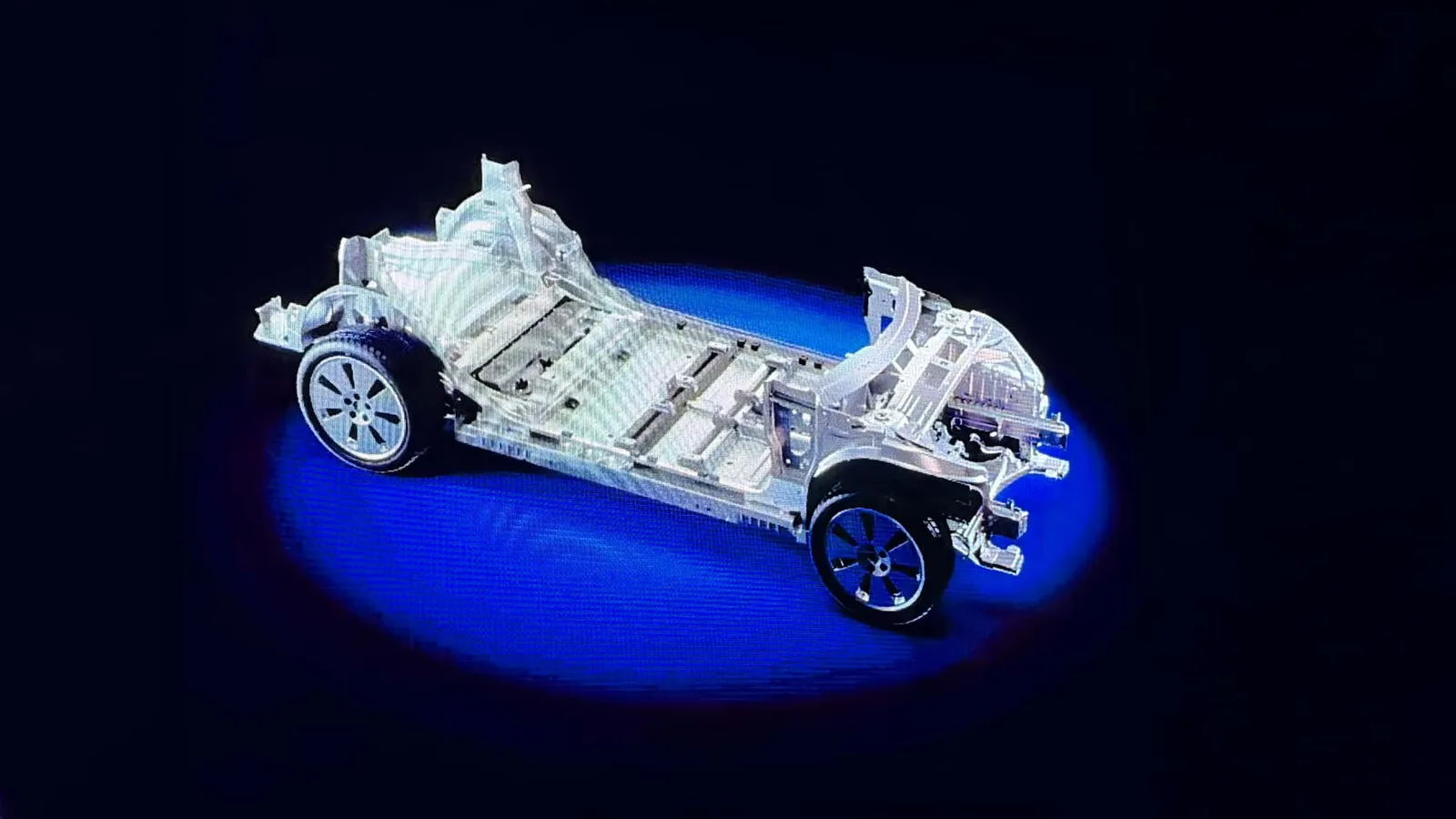
General Motors is preparing to introduce a fourth-generation electric vehicle architecture, featuring significant improvements in efficiency and computing power. The company announced this on Wednesday during the GM Forward event in New York.
The automaker has not specified a exact timeline for the arrival of these new models nor what commercial names they will carry under this technical platform. GM President Mark Reuss told the audience that there will be “a wide range of vehicles in various segments” and that launches will occur “very soon.” The company explained that the platform will be used for electric vehicles in the “high-volume” segments, a term a spokesperson clarified refers to SUV crossovers.
GM’s approach: fewer expensive batteries
The announcement did not provide many specific details about the new electric platform, but GM explained that the goal is to build vehicles that can use fewer expensive batteries while still offering adequate range. This strategy could help reduce the production costs of electric vehicles and support the expansion of zero-emission offerings.
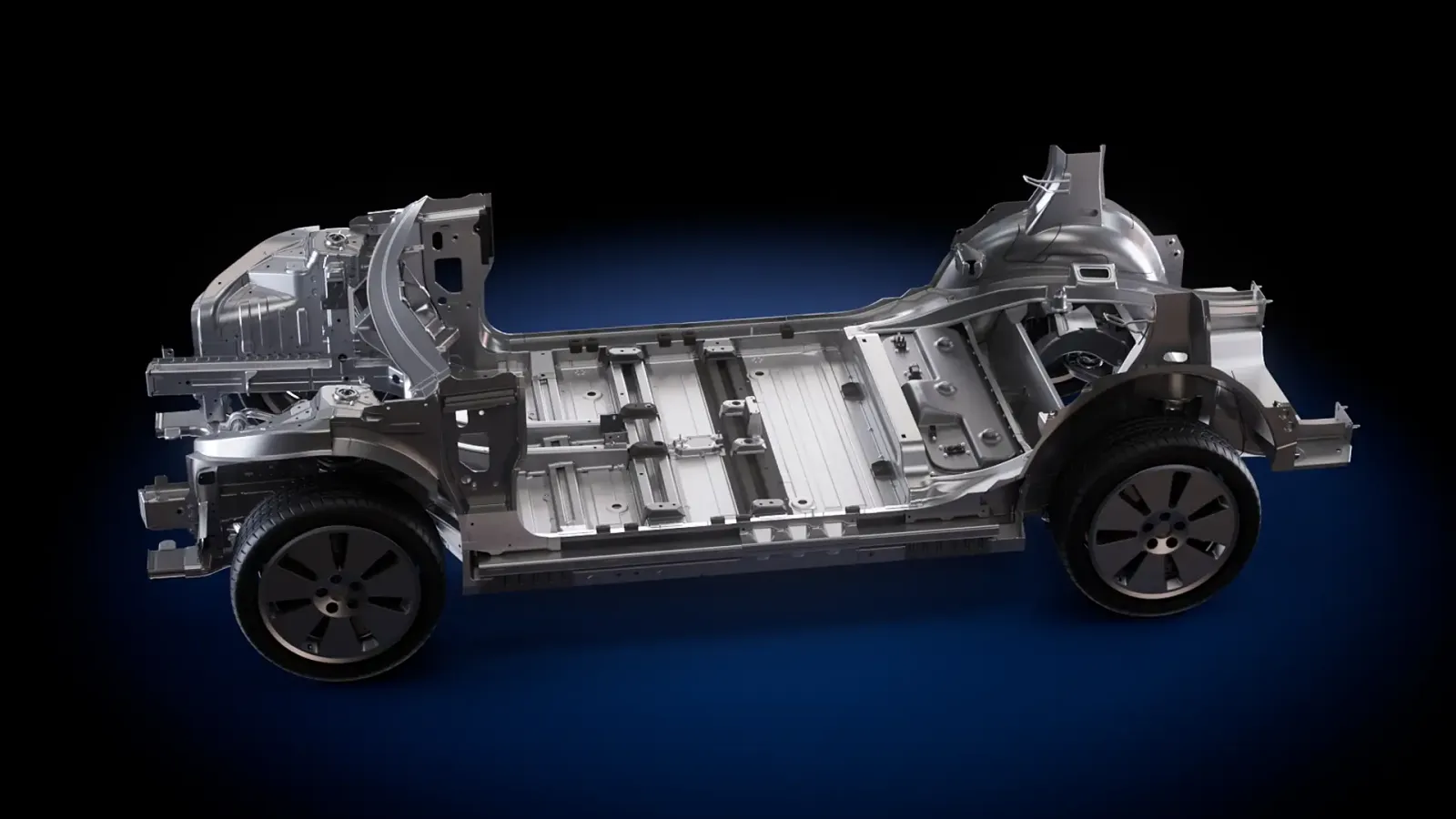
Rendering of GM Gen 4 EV Platform
Photo by: General Motors
"We continue to develop our future electric vehicles and work to reduce battery costs," Reuss said from the stage, reminding that GM is a global company and that electric vehicle sales are growing worldwide. "And when the U.S. market is ready for large-scale electric vehicles, we will be ready."
15% Reduced Weight and LMR Batteries
Overall, GM claims that fourth-generation electric vehicles will achieve a 15% reduction in vehicle weight, 20% higher efficiency, 20% lower total battery capacity, and a 25% improvement in aerodynamic performance. The company has also revised its drive units and power electronics to reduce the number of components in each engine by 40%.
At the core of GM’s new electric technology are LMR batteries, which are rich in lithium and manganese. According to GM, this chemistry is less expensive than cells with high nickel content and offers a 33% higher energy density compared to lithium-iron-phosphate (LFP) batteries.

Materials for GM LMR batteries
Photo by: General Motors
"Once this aspect is unlocked, it changes everything," explained Zach Walker, GM’s global EV architecture director. "When it comes to equivalent or greater range with 20% less battery, considering that the battery accounts for a major portion of the system’s base cost, one can imagine what that means for our value proposition and, most importantly, for the customer."
Prismatic cells will be structurally integrated into the vehicles, Walker said. He did not specify whether they would be installed in a cell-to-pack configuration or if some kind of modular structure would be used. However, he added that the new architecture will allow for better battery packaging, enabling the vehicle to be made lower and more aerodynamic, for example.
All of this without compromising the car’s appearance. “For example, you can lower the roof a lot, but then the customer ends up driving a car that looks like a clown car,” he said.
Electric architectures are evolving
Rival Ford is also working on a completely new electric platform that the company claims will be more efficient and less costly to produce than the technology used in the Mustang Mach-E and F-150 Lightning. But the project seems to be further along. The $30,000 Fathom pickup is expected to go into production by the end of next year as the first model based on the new Universal Electric Vehicle platform.
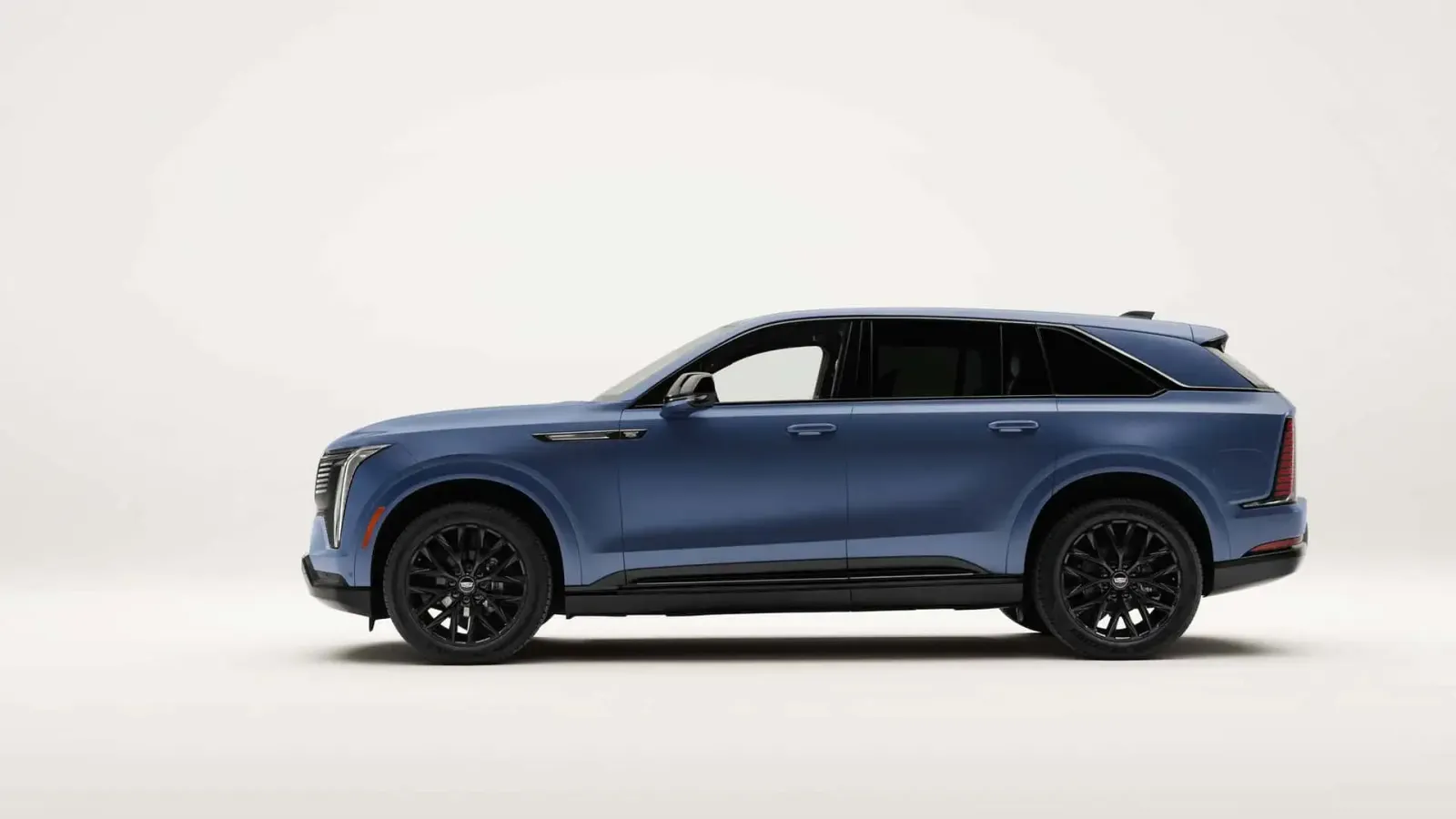
The Cadillac Escalade IQ
Photo by: Cadillac
Like Ford, GM is also rethinking the electrical and computing architecture of its new electric vehicles, replacing dozens of separate electronic control units designed for specific functions with a much more powerful and centralized system. In this regard, it is following the path already taken by Tesla and Rivian. Theoretically, this approach should enable deeper over-the-air software updates, new features, and more centralized control over various vehicle components.
The new system uses a single Central Compute Unit, located at the front of the vehicle, to handle perception, propulsion, safety systems, and chassis controls. “This unified platform provides the computing power needed to run both advanced in-vehicle AI and autonomous driving simultaneously,” GM said in a statement.
The final result, according to GM, is an electrical and computing architecture with 30% fewer cables compared to current electric vehicles, offering advantages in terms of complexity and weight, 40 times greater processing power, and 50% faster cellular connectivity for streaming video and other functions. This architecture will make its road debut in the 2028 Cadillac Escalade IQ and will be crucial for introducing GM’s first driving system that does not require constant eye focus on the road, with that model being the first to feature it. It will also be used in fourth-generation electric vehicles and in GM’s lineup of internal combustion engine vehicles, starting with pickup trucks and three-row SUVs.
More from General Motors