
Europe’s new strategy threatens to raise the cost of electric cars: up to 2,100 euros more due to a simple decision
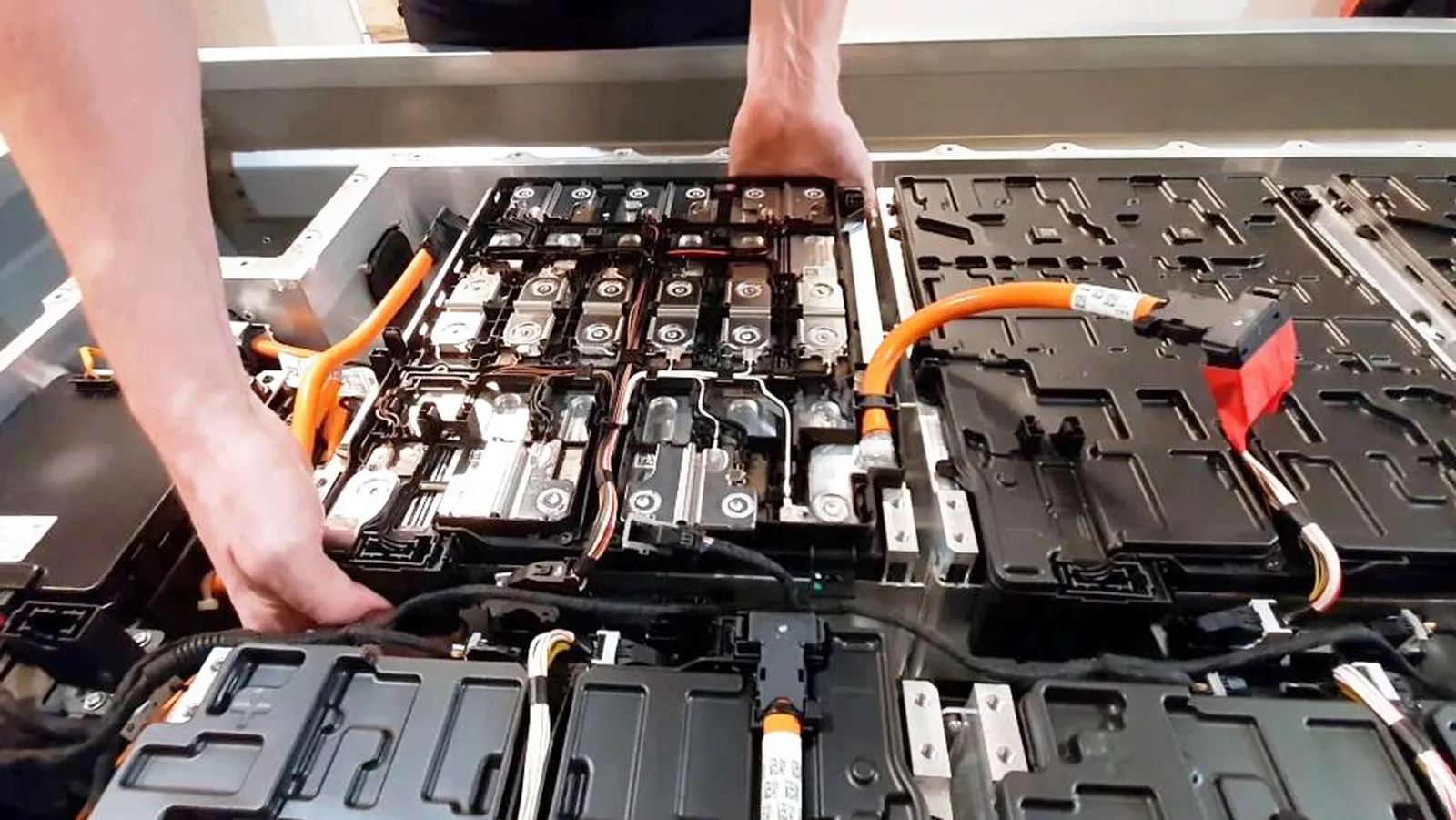
The price of batteries remains one of the main factors affecting access to electric cars, especially in the more affordable segments of the market. However, the European Union’s plans to boost its industrial independence could introduce significant extra costs for these vehicles, to the extent that certain community manufacturing requirements might add over 2,000 euros to the price of a conventional electric car.
This is one of the main conclusions of a report published by Bruegel, an economic research center based in Brussels, which analyzes the consequences of measures taken by the European Union to address growing international competition. Its authors question whether trade protection is sufficient to restore the position of European manufacturers and warn that shifting the production of strategic components to the continent without first reducing their costs could hinder the electrification of the automotive industry.
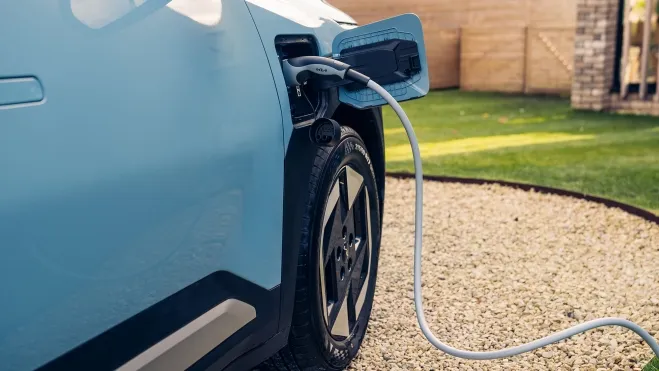
The cost of manufacturing batteries in Europe poses a particular threat to the cheapest electric vehicles
The study provides figures on the impact of imposing requirements for local content in automobile manufacturing. Mandating that battery cells be produced within the EU would raise their estimated cost from 50 to 85 euros per kWh, a difference that would result in an additional 2,100 euros for an electric car equipped with a 60 kWh battery. The use of low-emission steel could increase the cost by another 200 euros, compared to the approximately 61 euros per vehicle that could be saved through the simplification measures for homologation proposed by the European Commission.
The impact of these increases would not be the same for all cars, as they would account for a larger percentage of the price of entry-level models and particularly affect buyers with lower financial means. Bruegel identifies a contradiction between the goal of reducing the cost of electric mobility and the intention to concentrate its supply chain within Europe, although it acknowledges that this latter strategy could help reduce exposure to potential disruptions in international trade.
The document also examines the effects of trade barriers imposed against Chinese competition. Since October 2024, fully electric cars manufactured in China are subject to additional compensatory tariffs of up to 35.3%, a measure that does not apply in the same way to plug-in hybrids.
This difference has coincided with an increase in imports of the latter and a stabilization in those of pure electric vehicles, which, according to Bruegel, reduces the effectiveness of tariffs in protecting European production and may favor the marketing of vehicles with higher emissions during use.
European industry loses production while China gains market presence
The competitive pressure is evident in the continent’s manufacturing figures, which show a decline of about 2.6 million cars compared to 2019, accounting for 19% of its total production. Demand has also not returned to previous levels, with 2.2 million fewer new cars sold in Europe in 2025 than six years earlier. Despite this, the automotive industry continues to support around 14 million jobs in the European Union, roughly 6% of the total, and maintains strong export activity as well as investments in new facilities for manufacturing batteries and electric vehicles.
This situation is compounded by the growing presence of cars manufactured in China, which, according to data collected by Bruegel, will already account for over 20% of electric vehicle sales in the EU by 2026. More than half of these vehicles are sold under Western brands, a fact that highlights the complexity of imposing restrictions based solely on the country of manufacture.
The report also questions the effects of French purchase subsidies, whose environmental criteria exclude numerous imported models and have coincided with a 60% decline in sales of electric vehicles that do not meet the requirements to receive such subsidies, compared to vehicles eligible for them.
Bruegel suggests negotiating with China and leveraging its investments to regain competitiveness.
Among the proposed alternatives is a temporary trade agreement with Beijing that would set limits on exports of electric and plug-in hybrid cars to Europe, along with mechanisms to lift those restrictions if either party fails to comply with the terms.
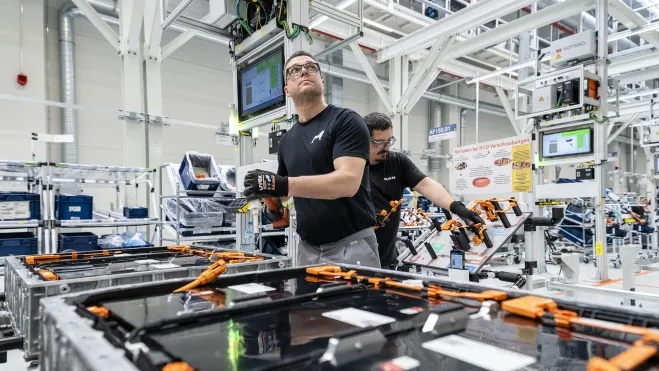
The institute also advocates for harmonizing tariff treatment for both technologies and facilitating the entry of foreign manufacturers into the continent, although it acknowledges that a quota system could pose legal challenges at the World Trade Organization and incur additional costs for European buyers.
Asian participation in the community industry is already significant, as South Korean companies account for 65% of Europe’s battery cell production capacity, while Chinese firms represent 55% of the capacity currently under construction. According to Bruegel, foreign investment and technology should help European manufacturers regain competitiveness rather than becoming an obstacle to the sector’s transformation.
The report thus focuses on the need to balance the development of a domestic industry with access to affordable electric vehicles, preventing measures aimed at protecting European production from driving up costs in its main market.