
Elon Musk’s new contradiction: strongly advocating for electric cars and renewable energy, yet using AI as an excuse to push Space X toward fossil fuels
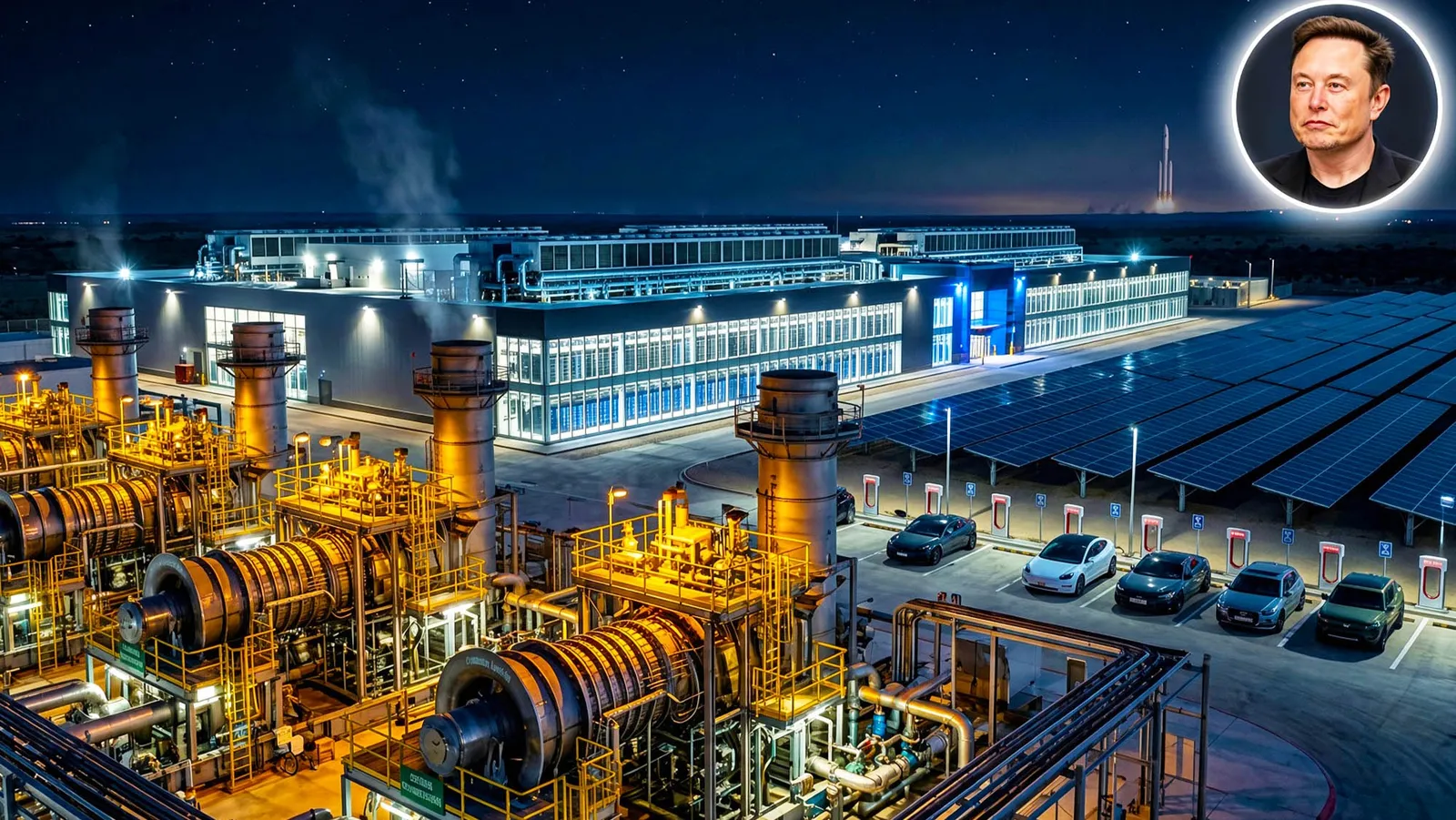
Elon Musk has found a less electricity-intensive solution to one of the major challenges in his new push for artificial intelligence: manufacturing gas turbines.
SpaceX has begun developing its own capacity in Texas to produce the most complex components of these machines, aiming to reduce the time needed to get them operational by up to 18 months.
The bottleneck that changed the rules
The problem isn’t just obtaining chips for training artificial intelligence models. Electricity has become another major bottleneck for data centers.
The electricity demand associated with these facilities is growing rapidly, and power grids cannot always supply the necessary capacity within the timeframes required by the industry. The International Energy Agency predicts that data center electricity consumption will nearly double by 2030.
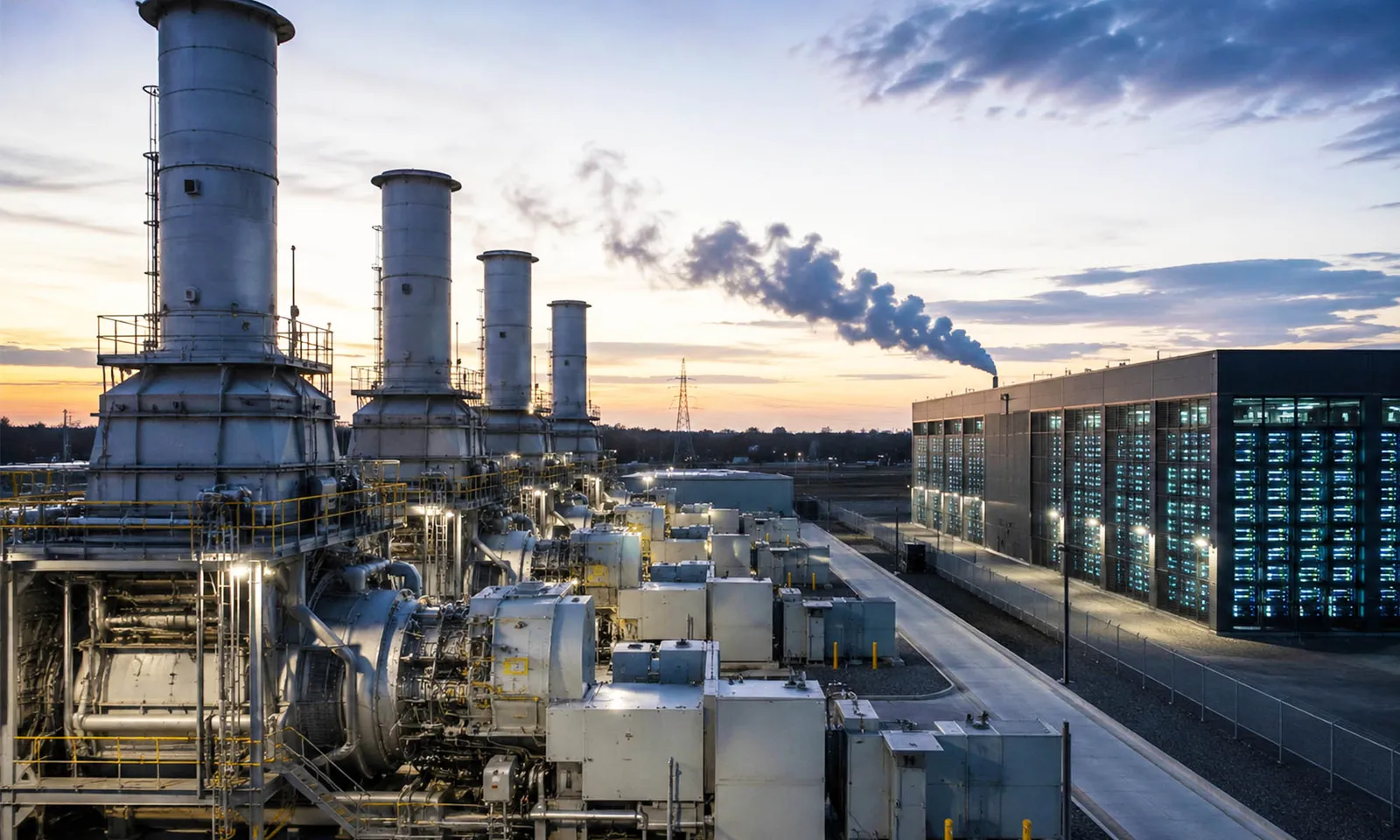
This has led to a shift in strategy. Major technology companies are turning to on-site power generation near their data centers, often using gas turbines, to avoid relying solely on new grid connections.
SpaceX is at the heart of this competition. The company allocated nearly $16 billion to artificial intelligence infrastructure in the second quarter of 2026.
The decision puts the entrepreneur faced with a contradiction that is hard to ignore. While Tesla focuses on electric cars, batteries, and solar energy, and Musk claims that both Tesla and SpaceX are working toward achieving a solar manufacturing capacity of 100 GW per company annually, its artificial intelligence infrastructure relies increasingly on natural gas.
A secret factory in Texas
The new industrial strategy is being developed in Bastrop, Texas, near the facilities where SpaceX manufactures Starlink terminals. The company acquired approximately 830 acres in that area between March and June 2026.
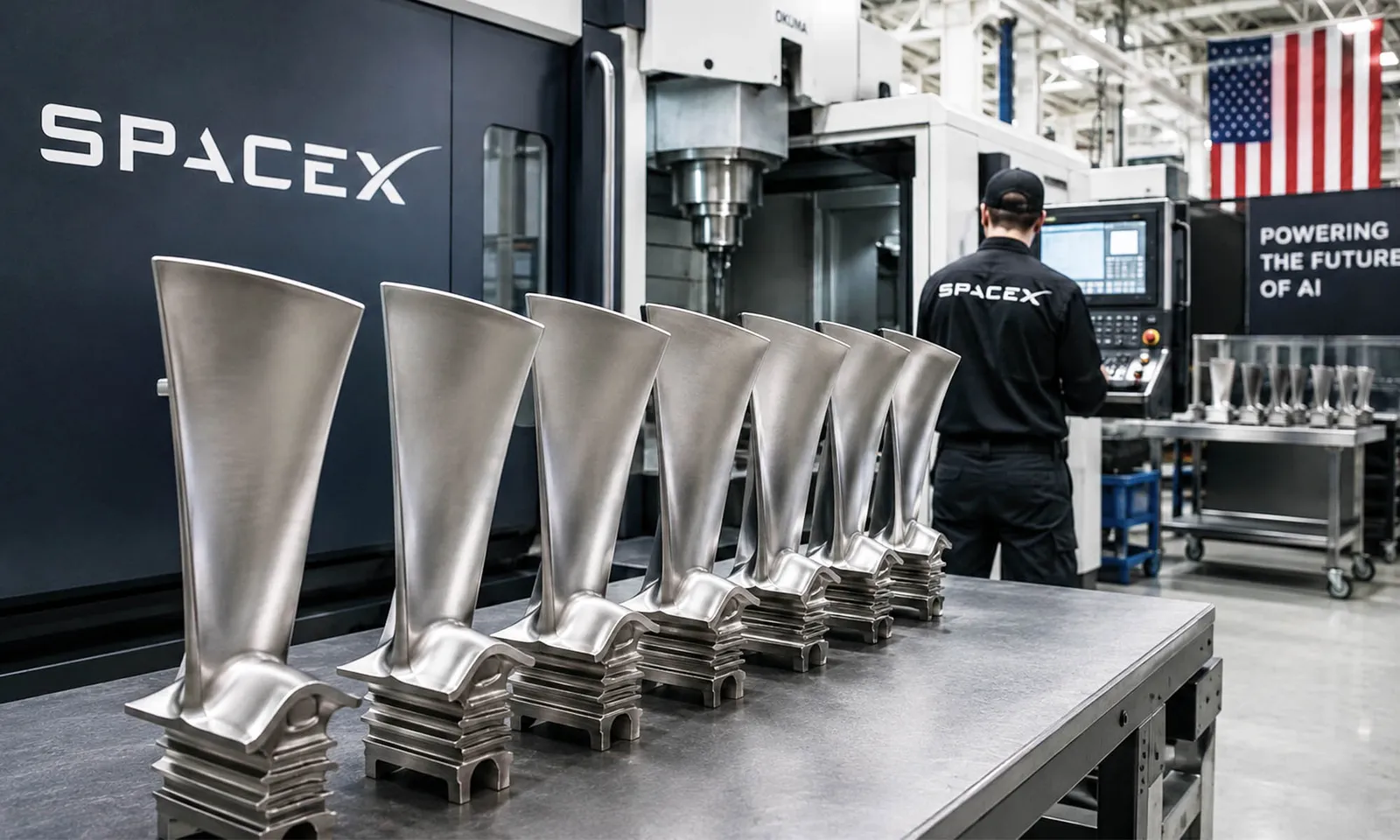
The goal is to manufacture gas turbine blades and vanes internally. It is these components precisely that constitute one of the main bottlenecks in the industry.
The manufacturing process is particularly complex. The blades in the hottest areas of a turbine operate at temperatures ranging from approximately 1,650 to 1,980 degrees Celsius. To withstand such high temperatures, nickel superalloys, internal cooling channels, thermal coatings, along with highly precise casting processes, are used.
Musk claims that manufacturing these components within SpaceX could accelerate the delivery of new turbines by up to 18 months.
The market is practically sold out until 2030
The move has an industrial rationale. The production of large gas turbines is concentrated among a small group of manufacturers, and their order books are under immense pressure due to the growth of data centers.
GE Vernova, one of the world’s leading manufacturers, has warned that its production capacity will be nearly fully committed through 2030.
SpaceX aims to eliminate from its supply chain one of the components that most restricts the availability of these machines. It’s not just about buying a turbine: the company wants to control part of the technology and manufacturing needed to produce it.
The reliance on gas isn’t starting now either. SpaceX has turned to mobile gas and diesel turbines to power its artificial intelligence facilities and has invested around $1 billion in APR Energy, a company specializing in mobile power generation with a fleet capable of over 1 GW.
In Memphis, the Colossus data centers have used dozens of gas turbines as an independent power generation solution separate from the grid. SpaceX also plans to replace some of this temporary power with a permanent natural gas power plant capable of approximately 1.2 GW.
This is where the most controversial element of Musk’s strategy comes into play. Tesla has become one of the world’s leading symbols of the transition to electric vehicles. The company has helped accelerate the electrification of cars and has also developed stationary batteries and solar systems.
Musk himself now advocates for massive expansion of solar power generation. Tesla is working to achieve 100 GW of annual solar manufacturing capacity in the United States, while SpaceX has set a similar goal.
But the reality of data centers is different. Solar energy requires storage or backup to provide continuous power, whereas a gas turbine can generate electricity when needed and be deployed much more quickly than new electrical infrastructure.
That’s why Musk argues that natural gas will remain necessary for several years to complement and enable the expansion of solar energy.
From a supply security perspective, this argument may be technically coherent, but it creates an obvious environmental tension: to develop an industry aimed at advancing a new generation of artificial intelligence, SpaceX is increasing its reliance on fossil fuels.
The problem doesn’t end with CO₂ emissions. Gas turbines also produce nitrogen oxides and other air pollutants.
The use of on-site power generation in data centers has already caused environmental and regulatory conflicts in the United States. In Memphis, organizations such as the NAACP have raised concerns about the operation of turbines linked to xAI facilities.
The risks are not merely theoretical. An analysis conducted in Virginia using the U.S. Environmental Protection Agency’s COBRA health model estimated that emissions from a system consisting of eight gas turbines and 51 diesel generators could be linked to between 3.4 and 6.5 additional premature deaths per year, along with $53 million to $99 million in annual health-related costs. This is a modeled estimate, not directly observed deaths.