
The ‘death’ of internal combustion cars by 2035 is put on hold: the EU votes to allow them to be sold for much longer.
23/10/2026 21:00
Updated to
23/10/2026 21:00
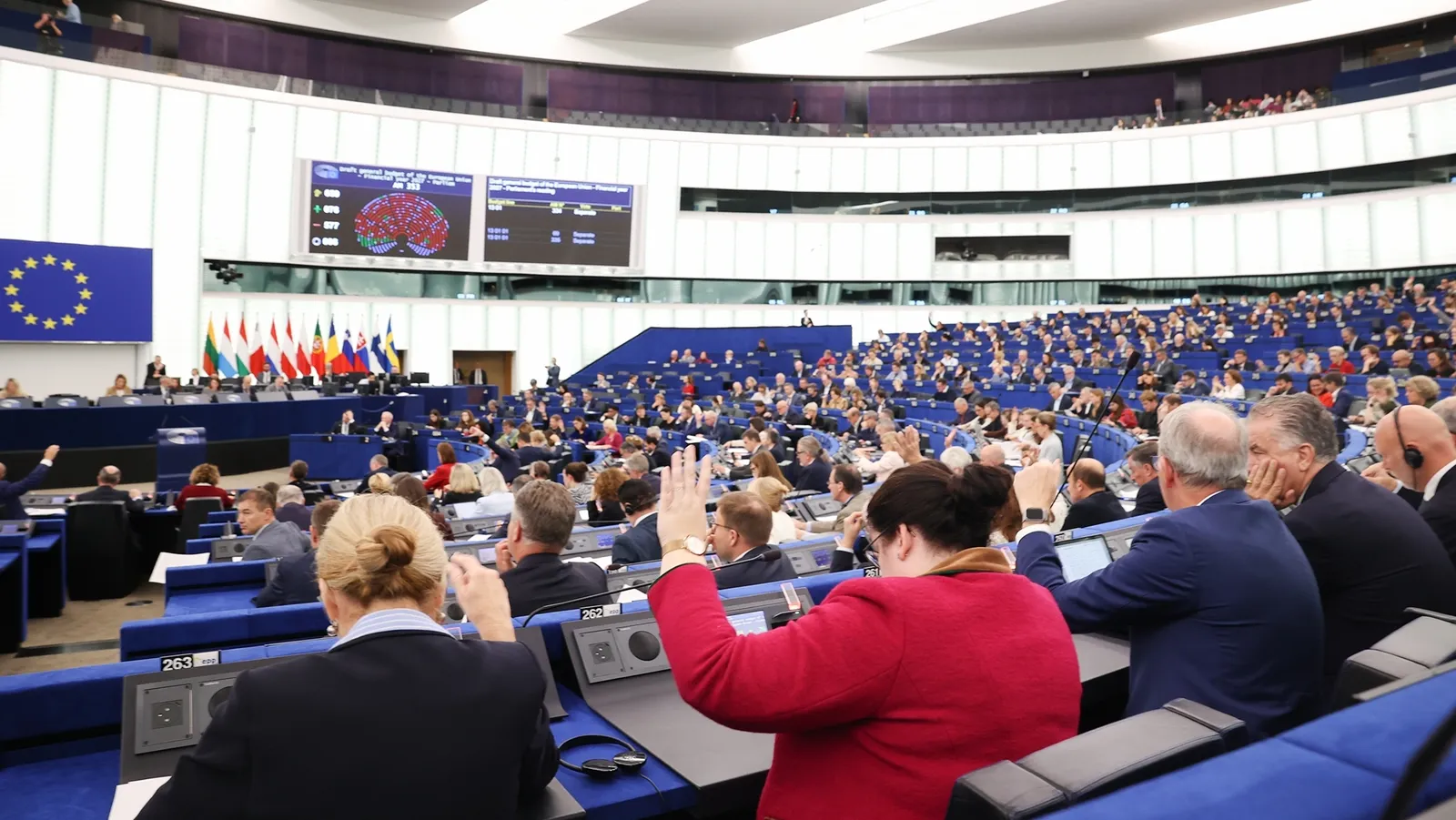
The ban on selling new gasoline and diesel cars in Europe starting in 2035 is increasingly likely to undergo significant changes. After months of negotiations between major automobile-producing countries and EU institutions, the European Parliament has just taken a first step toward relaxing these regulations. Two of its parliamentary committees have voted in favor of lowering emission reduction requirements, which would allow certain internal combustion and hybrid vehicles to remain on the market after the originally scheduled date.
The voting took place on Thursday, October 22, and represents the first parliamentary approval of an agreement reached this same week among negotiators from the European People’s Party (PPE), the Social Democrats (S&D), and the liberals of Renew Europe. It should be noted, however, that no final amendment has yet been approved. The text must pass further votes in the European Parliament and then reach an agreement with member states before it can become law.
Europe proposes reducing emissions by 95% instead of 100%
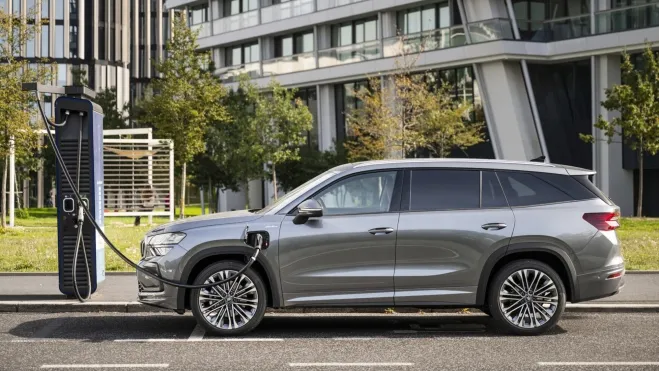
The current regulations stipulate that the average CO2 emissions of new cars sold in the European Union must be reduced by 100% by 2035 compared to 2021 levels. In practice, this would prevent the sale of conventional new gasoline or diesel vehicles, though it would not affect vehicles registered up to that point. The new commitment, supported by the Industry and Transport committees, proposes lowering this target to 95%.
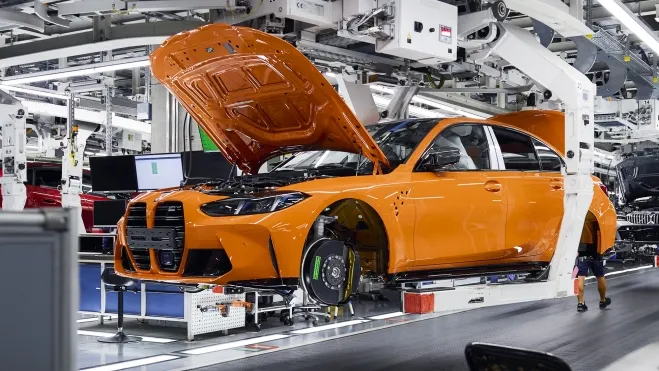
In addition, it provides an extra 7.5 percentage points of flexibility for manufacturers that use steel produced in Europe through low-emission processes. If this offset is applied, the required reduction could amount to 87.5% compared to 2021. This formula would leave some room to continue selling vehicles with internal combustion engines, including some hybrids, as long as they remain within the average emission limits that manufacturers must meet.
This would therefore not constitute an unlimited authorization to continue selling any gasoline or diesel cars after 2035. The proposal also differs from the stance recently advocated by Germany and France. Both governments had proposed reducing emissions by 90% compared to 2021, without requiring offsets for the remaining 10%. The parliamentary commitment maintains a more stringent initial target, though it introduces some flexibility related to the use of materials with lower environmental impact.
First parliamentary support, but important votes remain
The results of the initial votes show that there is a majority in favor of reviewing the regulations. In the Committee on Industry, Research and Energy, the proposal received 49 votes in favor, 27 against, and five abstentions. The Committee on Transport and Tourism supported it with 27 votes in favor, 18 against, and one abstention.
Representatives from the PPE, S&D, and Renew Europe groups largely backed the initiative. Jens Gieseke, PPE’s spokesperson on transport, argued that manufacturers need greater flexibility and legal certainty to navigate industry transformation, maintain investments, and protect European jobs.
However, the proposal has also faced criticism. The Green Party MEP Michael Bloss believes that easing the requirements could slow down the transition to electric cars. From his perspective, the priority should be accelerating European battery production, expanding charging infrastructure, and boosting the competitiveness of community manufacturers.
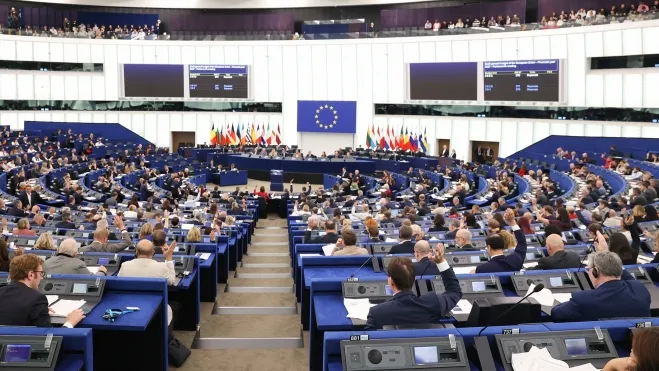
The next step will be the voting by the Environment Committee, scheduled for early November. Afterwards, the plenary of the European Parliament will need to decide on its position, likely in December. Even if the proposal passes these stages, it will still be necessary to negotiate the final text with the governments of member states. Therefore, the goal of zero emissions for new cars by 2035 remains legally in force. What has changed is that the possibility of relaxing this target now has initial formal support within the European Parliament, a significant advancement in a debate that could alter the future of internal combustion engines on the continent.