
Europe’s largest battery is located in Spain and is capable of generating electricity for 16 consecutive hours: it is hidden beneath a mountain.
26/09/2026 12:00
Updated to
26/09/2026 12:00
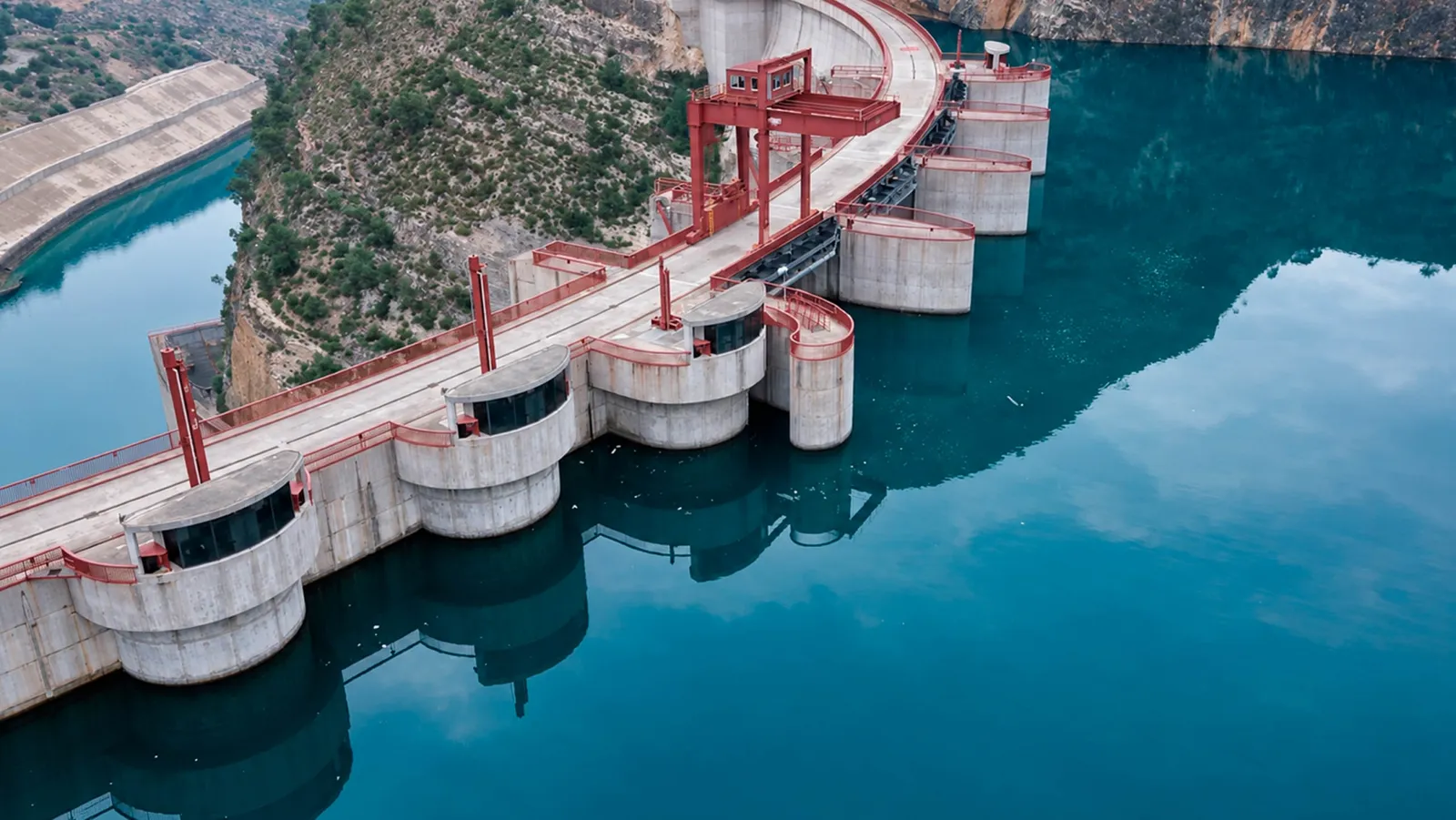
Spain has one of Europe’s largest energy storage facilities, though its operation is very different from the batteries commonly used to store electricity. Instead of relying on chemical components, this infrastructure utilizes gravity and millions of cubic meters of water to store energy for hours and release it when the power grid needs to increase its output.
This refers to the Cortes-La Muela pumped hydroelectric plant, located in Cortes de Pallás (Valencia), a facility owned by Iberdrola that can supply electricity for 16 consecutive hours. Its capacity is particularly important for making use of solar and wind power, as it allows energy to be stored when there is an excess of renewable generation and used later when demand increases or weather conditions reduce the availability of these sources.
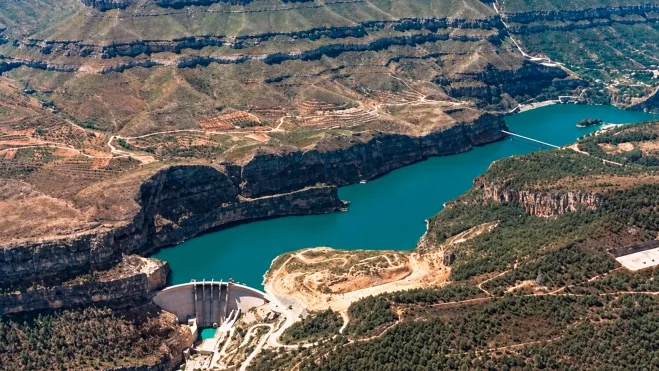
A 24 GWh electricity reserve hidden in a mountain in Valencia
The Cortes-La Muela complex features two large water reservoirs located at different heights, connected by enormous pipelines that run through the mountain. The upper reservoir covers over one million square meters and can store up to 20 hectometers cubic of water, while the lower one has a capacity of 114 hectometers cubic. The approximately 500-meter height difference between the two allows harnessing the water’s gravitational potential energy to generate electricity.
The facility began operating in 1985 with the commissioning of La Muela I, and expanded its capacity in 2015 with the addition of La Muela II. Both plants have seven generating units housed in massive caverns carved into the rock, totaling approximately 1,500 MW of capacity. The complex can store up to 24 GWh of energy and has around 1,300 MW of pumping capacity, allowing it to lift large amounts of water to the upper reservoir.
The operation of this infrastructure relies on taking advantage of periods when there is greater electricity availability. When production exceeds consumption needs, the plant uses part of that energy to pump water from the lower reservoir to the upper one. Later, when demand increases, the water flows down through the pipes and drives the turbines that generate electricity. The same resource can be reused repeatedly, although the pumping process consumes more energy than it later recovers.
Solar energy has changed the way pump stations are used
For decades, this type of facility concentrated most of its pumping operations at night, when electricity demand was low and conventional power plants continued to generate energy. However, the growth of photovoltaic power generation has changed its operating hours.
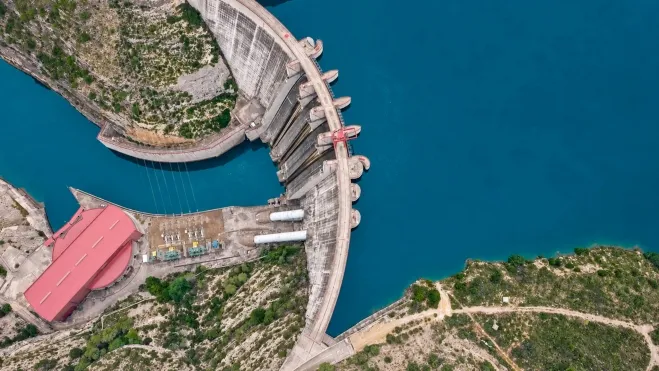
This change enables pumping stations to play an increasingly important role in Spain’s electrical system. In addition to storing excess renewable energy, these facilities can increase or decrease their output to meet grid demands and help regulate parameters such as frequency and voltage. Their usage has also risen in recent years: pump-driven generation reached 5,458 GWh in 2024 and 5,886 GWh in 2025, figures that reflect the growing adoption of this technology.
However, the development of new facilities remains one of the challenges in the energy sector. Spain currently has around 6.5 GW of hydroelectric pumping capacity, while the National Integrated Energy and Climate Plan (PNIEC) sets a target of 22.5 GW of energy storage by 2030, including various available technologies. Building new pumping stations requires substantial investments and long approval and construction periods that can exceed a decade, so their expansion must be combined with other storage solutions to facilitate the integration of renewable energies.