
The Horizontal Property Law provides a solution for those who find their parking space occupied: a law from 1960 makes this clear.
21/10/2026 21:00
Updated to
21/10/2026 21:00
Installing a metal barrier in a private garage space to prevent other drivers from parking there is a measure that, under certain circumstances, can be carried out without obtaining approval from the owners’ association, as Spanish law allows modifications to private areas as long as certain requirements are met and other neighbors are not harmed.
The possibility of installing such devices is supported by Law 49/1960 on Horizontal Property, although their installation is not entirely at the discretion of the space owner, as factors such as the parking area’s characteristics, the community’s regulations, and the potential consequences of fixing a structure to the pavement must be considered.
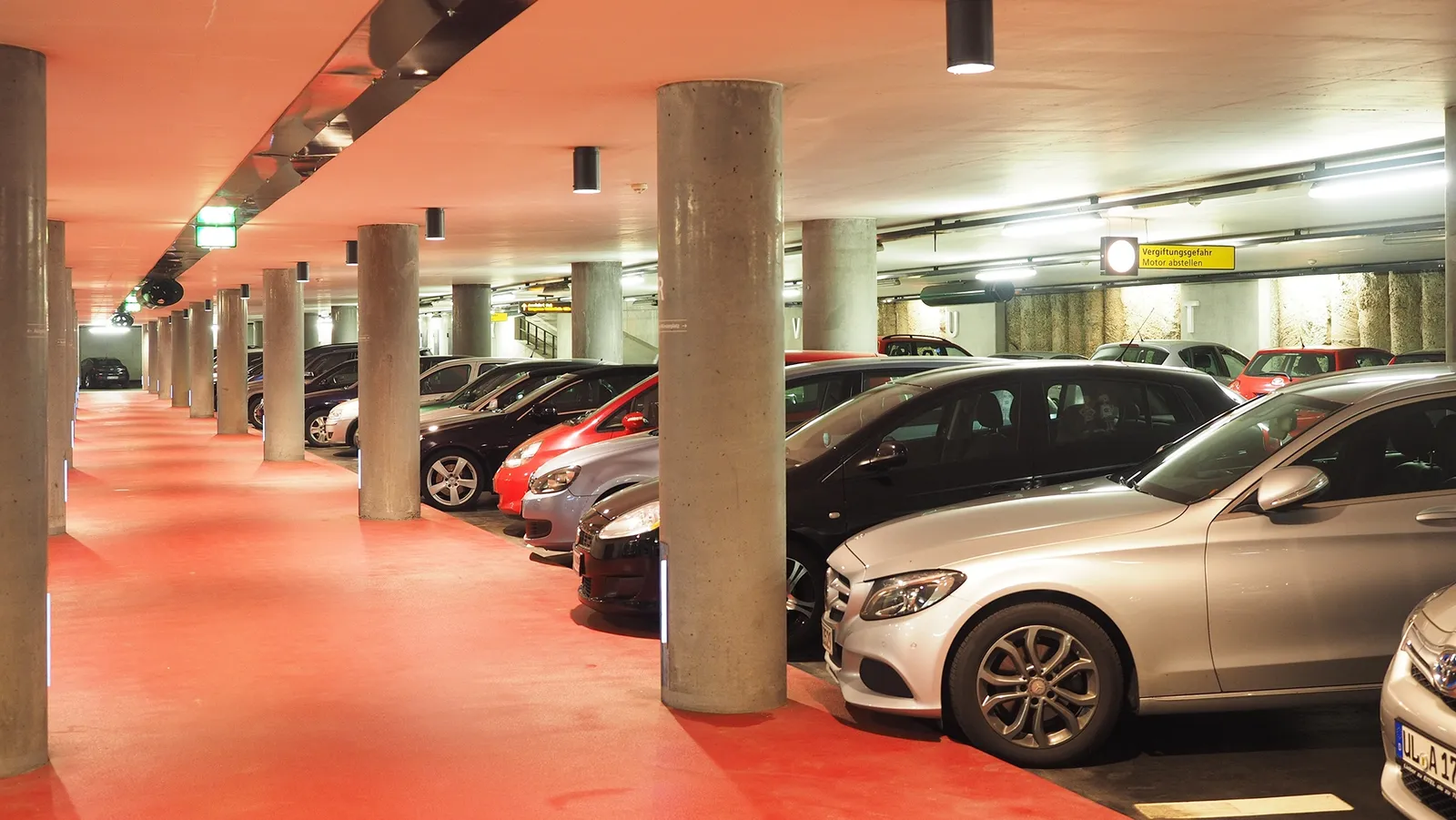
The Law on Horizontal Property specifies when a gate can be installed in a garage
Article 7.1 of this regulation grants owners the right to make changes to their private areas, as long as such changes do not compromise the stability or safety of the building, alter its external appearance, or violate third-party rights. This provision allows certain security systems to be installed in parking spaces without necessarily requiring community approval, though it requires notifying the community representative in advance about the work.
This interpretation is also supported by courts, as demonstrated by Judgment 133/2019 of March 25 from the Provincial Court of Valencia, which ruled that it is permissible to install bollards to ensure exclusive use of a parking space as long as traffic areas are not invaded, other owners are not harmed, and there is no statutory prohibition. Therefore, the presence of common elements in the garage does not automatically mean that any such installation must be approved by neighbors.
Property managers explain the conditions that must be met
The Madrid Professional College of Property Managers also issued a statement on this issue, as reported by Xataka, stating that owners can install such blockers if there are no technical obstacles, provided the device remains within the limits of the parking space and its placement does not hinder other vehicles’ maneuvering or cause damage to the building’s facilities.
Furthermore, Article 9 of the Horizontal Property Law establishes the obligation to properly maintain private elements and respect common areas, which becomes particularly important when a parking barrier requires drilling or anchoring into the parking lot surface. Any intervention that affects the structure, waterproofing, or general installations could impose liability on the owner and necessitate a prior technical assessment.
As for their operation, these systems typically feature a foldable structure that remains raised and locked with a latch when the space is empty, while the owner can fold it down to park the vehicle. This solution physically prevents unauthorized access and can also be removed if ownership is transferred.

What happens when another vehicle occupies a private parking space
The installation of such devices can be particularly useful in cases of repeated occupation. However, before resorting to a physical barrier, it’s advisable to try identifying the driver and ask them to remove the vehicle. If the problem persists, document the incidents to consider possible legal actions, as using someone else’s unauthorized parking space does not give the owner the right to remove the car themselves or cause damage to it.
Therefore, legislation allows for the protection of a private parking space using a drop-down barrier under certain conditions, but it is necessary to first check the community regulations, applicable municipal laws, and the characteristics of the installation. Additionally, the community must be informed when appropriate, as the ability to prevent other drivers from parking in a private space does not eliminate the owner’s responsibilities regarding common elements and their neighbors’ rights.