
"The European automotive industry is going to die": Renault’s chief raises alarms over the Chinese threat
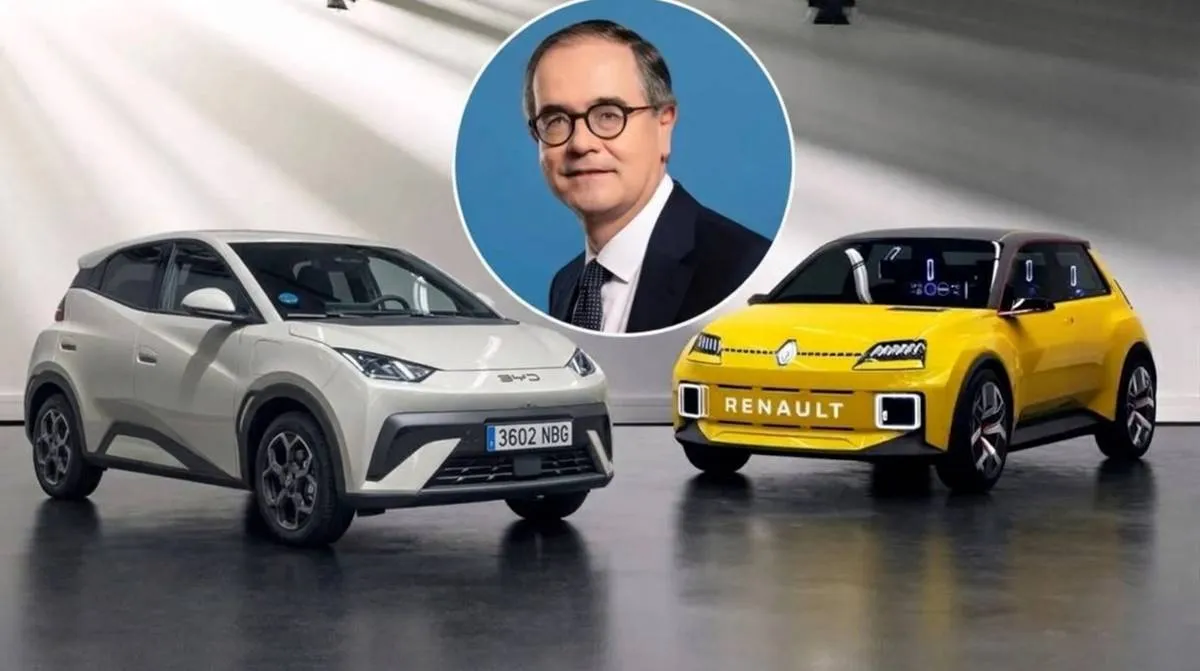
Renault has once again raised a concern that affects all European automakers. As local groups strive to regain competitiveness in this new era of automobiles, pressure from Chinese brands is forcing a reevaluation of manufacturing’s future on the continent. The French manufacturer wants Brussels to intervene before decisions are made regarding future factories and models.
François Provost, Renault’s CEO, outlined a particularly alarming scenario during a meeting with journalists in London. According to Reuters, if the European Union continues on its current path, car production in Europe could drop to half of its historical average shortly after 2030.
According to the executive, the root of the problem lies in a cost difference that is difficult to overcome. Provost argues that Chinese manufacturers can import their cars to Europe at costs 30% to 40% lower than those of their European competitors. He believes Renault cannot close this gap under current conditions, which threatens to push more production outside the continent.
This warning affects far more than just the car brands themselves. Such a significant reduction would put pressure on manufacturing plants, as well as on suppliers and the industrial jobs dependent on them. After all, selling cars in Europe and manufacturing them there are two different things, even though the two activities have been closely linked for decades.
Renault wants Chinese brands to manufacture in Europe
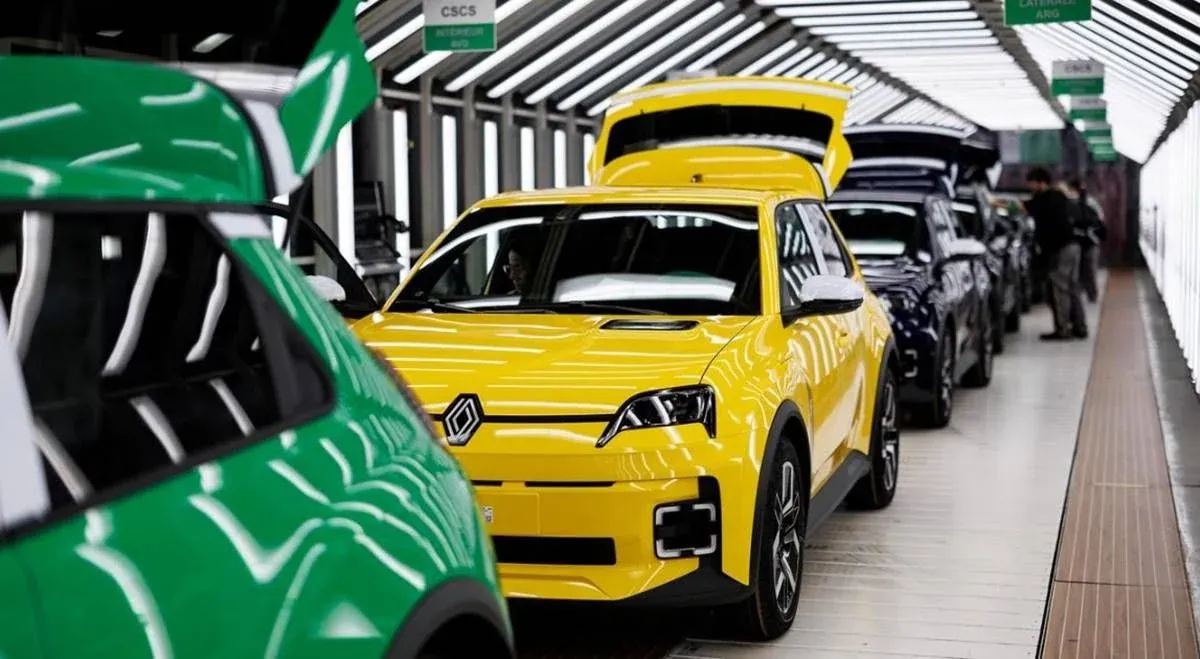
Provost’s proposal calls for Chinese manufacturers wishing to sell in the European market to produce locally. His approach is to link market access to industrial activity on the continent, so that the growth of these brands also results in European factories and jobs. This would shift the focus from merely how many cars arrive from China to where they are produced.
The idea has an obvious industrial logic, though it doesn’t solve all problems on its own. Attracting investment can help maintain operations and suppliers, but it doesn’t automatically eliminate the competitiveness gap among European manufacturers. It also opens the door to trade tensions with Beijing, especially if the requirement to manufacture locally becomes a condition for continued sales.
Furthermore, this move comes after another warning from Renault’s top executive. At the Paris Motor Show, Provost had already indicated that the group might be forced to cut its European production by 300,000 cars per year if the CO₂ emission targets by the end of the decade aren’t relaxed. In that case, the warning focused on the company’s own industrial decisions.
Now the message has a wider reach. Renault is calling for changes both to the competitive conditions and to the requirements that manufacturers must meet. These are two related debates, but it’s important to distinguish them: modifying emission targets does not guarantee that European brands will produce at lower costs, just as bringing in Chinese factories does not ensure the future of all current manufacturers.
For now, what Provost proposes is a scenario contingent on the absence of action, not a decision already made to cut production. His remarks once again place Brussels faced with a complex issue: how to maintain a competitive industry as the market changes. There is also a lot at stake for buyers, because protecting factories must be accompanied by electric cars they can afford to purchase, since the current cost premium over electric models in China is becoming increasingly difficult to justify.